Lower Back Pain | Move Better, Feel Stronger | Miran
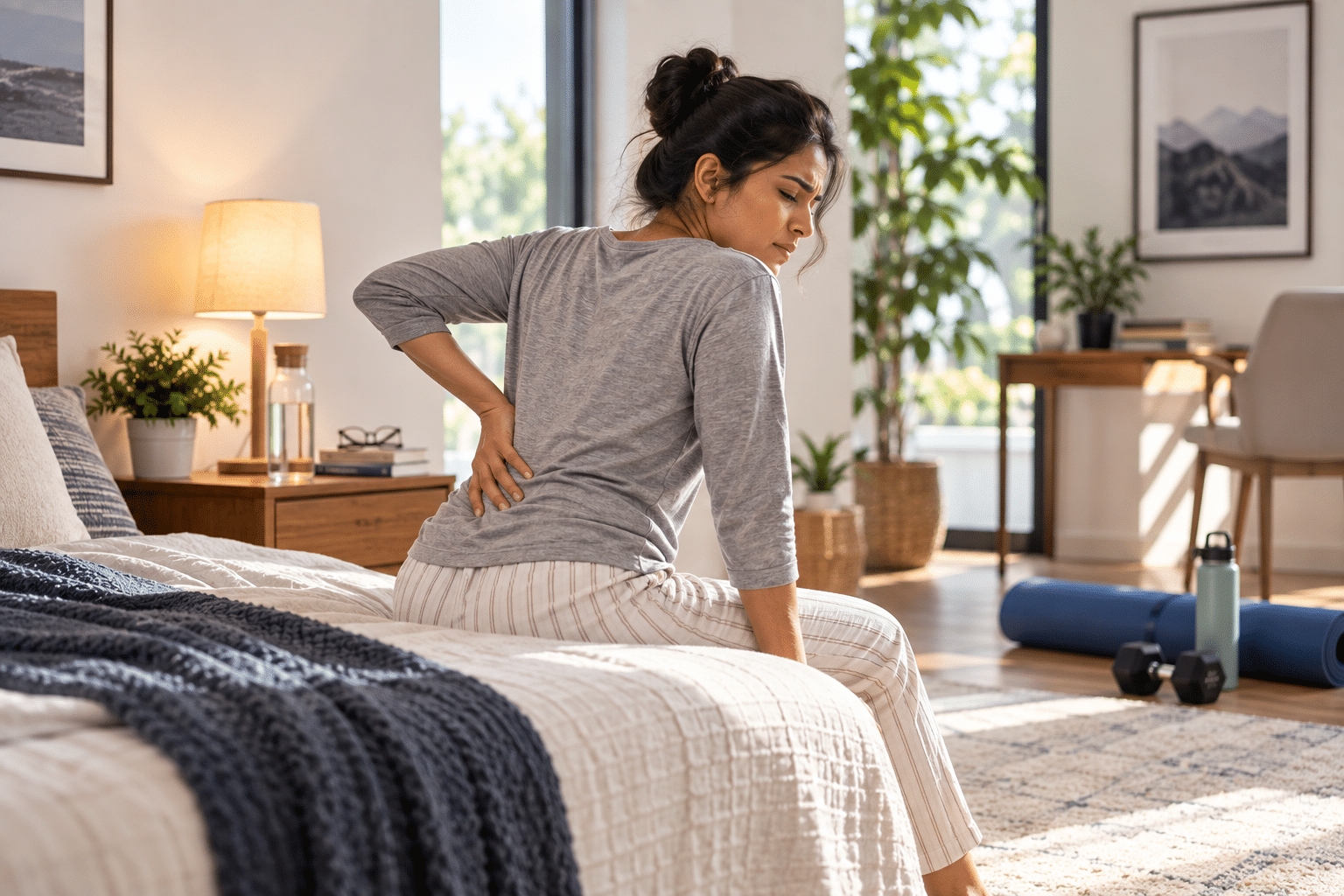
Lower back pain can make simple tasks seem difficult. Sitting at work, standing for long periods, bending over, climbing stairs or getting out of bed may be uncomfortable. “For some, the pain goes away in a few days, but for others it can last and begin to impact their work, sleep, exercise and ability to live independently in their daily lives.
With so many treatment options available, it is natural to wonder which approach is actually better. The answer depends on what is causing the lower back pain, how long it has been present and how it affects your movement.
There Is No Single Treatment for Every Person
Lower back pain does not always have the same cause. It may be related to poor posture, muscle weakness, prolonged sitting, reduced mobility, an injury or changes in the spine. Because of these factors, a treatment that works well for one person may not be appropriate for another.
A proper assessment can help identify movement limitations, muscle imbalances, strength issues and activities that may be contributing to discomfort. This allows treatment to focus on the individual’s needs rather than simply managing the symptoms.
Why Physiotherapy Is Often an Important Part of Recovery
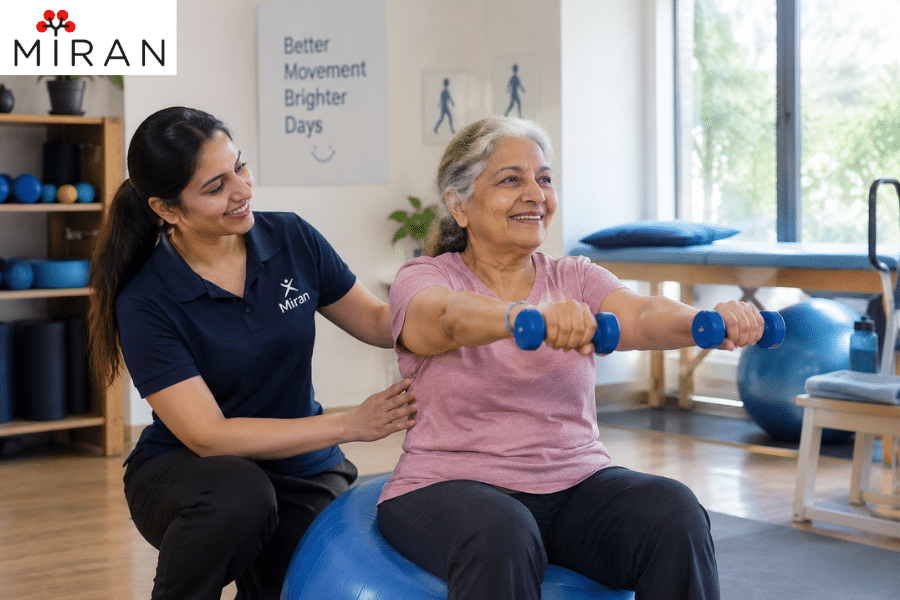
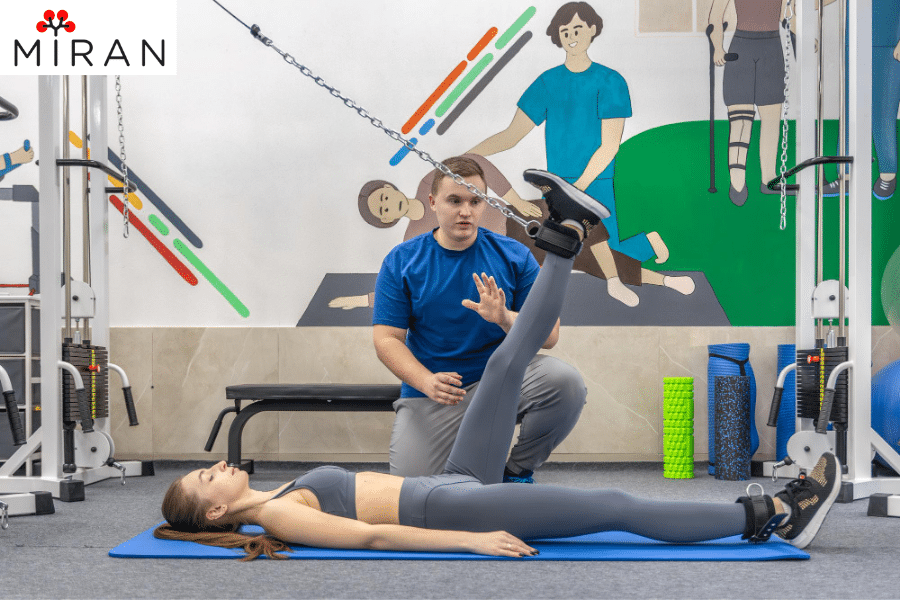
Physiotherapy focuses on improving how your body moves and functions. Instead of only providing temporary relief, a personalised programme can address some of the physical factors that contribute to lower back pain.
Depending on the assessment, treatment may include:
- Mobility exercises: Gentle movements can help improve flexibility in the lower back, hips and surrounding areas.
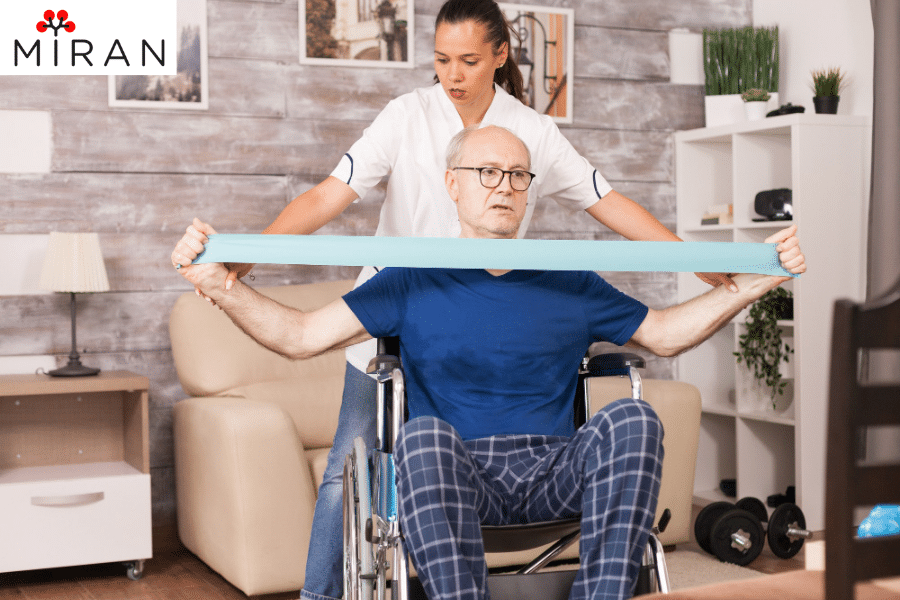
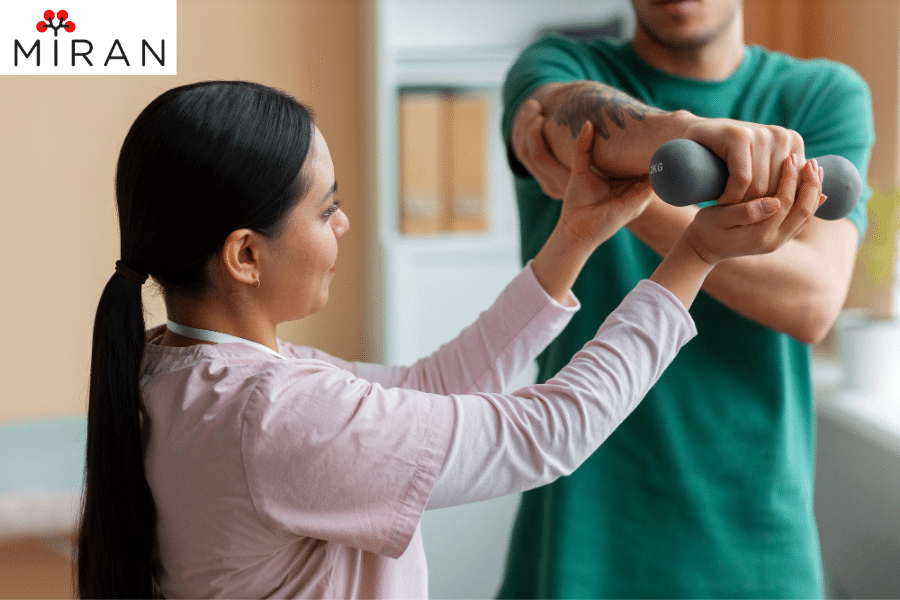
- Strength training: Stronger abdominal, hip and back muscles can provide better support for everyday activities.
- Postural guidance: Learning to sit, stand and move with better alignment may help reduce unnecessary strain.
- Movement retraining: Physiotherapy can help you develop safer and more efficient movement patterns.
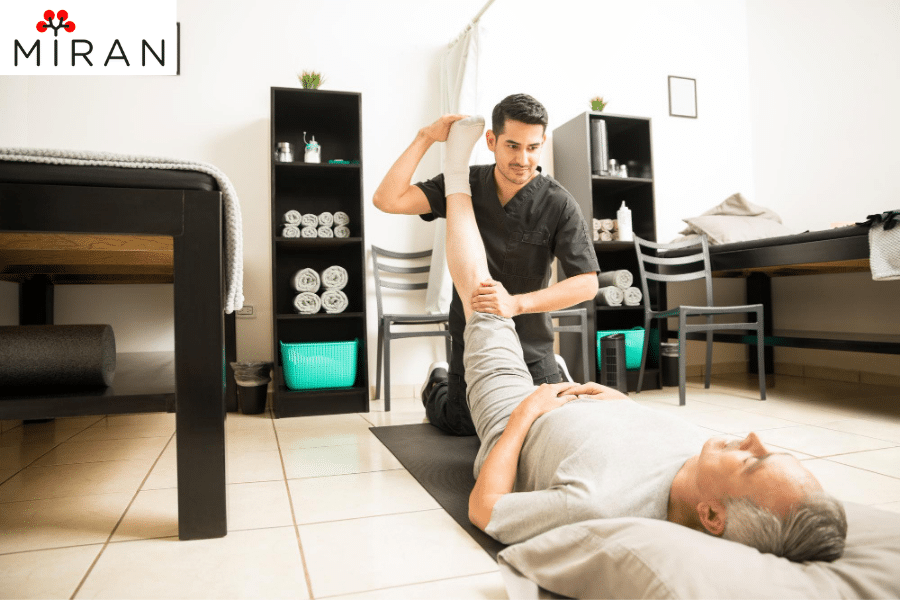
- Hands-on techniques: Where appropriate, manual techniques may be used alongside exercise to improve comfort and mobility.
The combination is often more useful than relying on one technique alone.
What About Rest?
It may seem that the safest thing to do when your back hurts is to rest. If symptoms are particularly uncomfortable, a period of relative rest may sometimes be helpful. But if you are inactive for too long, you may become stiff, lose strength and become afraid to move.
For many people with lower back pain, getting gradually back to normal movement is an important part of recovery. The kind and level of activity should be adapted to the symptoms and the individual’s capabilities.
The idea is not to push through pain that is too painful. It is to find a safe level of movement and slowly build tolerance.
Can Exercise Help Lower Back Pain?
Exercise can play a valuable role in managing lower back pain, particularly when exercises are selected according to the person’s condition.
A physiotherapist may recommend exercises targeting:
- Core stability: Improving the strength and control of muscles around the abdomen and trunk.
- Hip strength: Strong hips can support better movement and reduce unnecessary demands on the lower back.
- Flexibility: Restricted movement around the hips or spine can sometimes affect the way you perform everyday tasks.
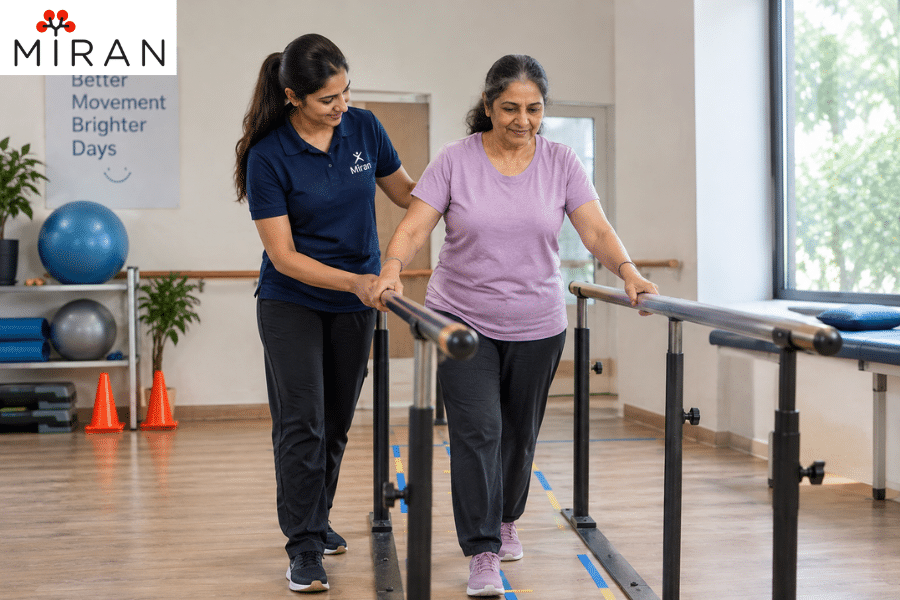
- Functional strength: Training movements such as getting up from a chair, bending or lifting can make daily activities easier.
The important factor is consistency. Exercises are generally most useful when performed regularly and progressed appropriately.
When Should You Seek Professional Guidance?
Not all episodes of low back pain require intensive treatment. If discomfort continues, returns or starts to disrupt normal activities, professional assessment may be useful.
You should see a doctor quickly if you have back pain with any worrying symptoms. These include significant weakness, loss of control over your bladder or bowels, numbness in the area around your groin, fever or unexplained weight loss.
A professional can advise if physiotherapy is appropriate or if further medical assessment is necessary.
The Best Treatment Is the One That Fits Your Needs.
The question is not simply whether exercise, manual therapy, rest or another approach is the “best” treatment. Effective management of lower back pain usually depends on understanding the individual’s symptoms and creating a suitable plan.
Some people may need to focus on mobility, while others may benefit more from strengthening, posture correction or gradual functional training. The programme can also change as movement improves.
This personalised approach makes rehabilitation more practical by connecting the exercises and advice to the person’s actual daily life.
Frequently Asked Questions
Can physiotherapy help with lower back pain?
Physiotherapy may help improve mobility, strength, posture and movement control. A personalised programme can be adjusted according to the individual's symptoms and functional needs.
Is rest good for lower back pain?
Short periods of relative rest may sometimes be appropriate when symptoms are particularly uncomfortable. However, prolonged inactivity can contribute to stiffness and reduced strength, so gradual return to suitable movement may be recommended.
Healthy Tips – Moving Towards a Stronger, More Confident Back
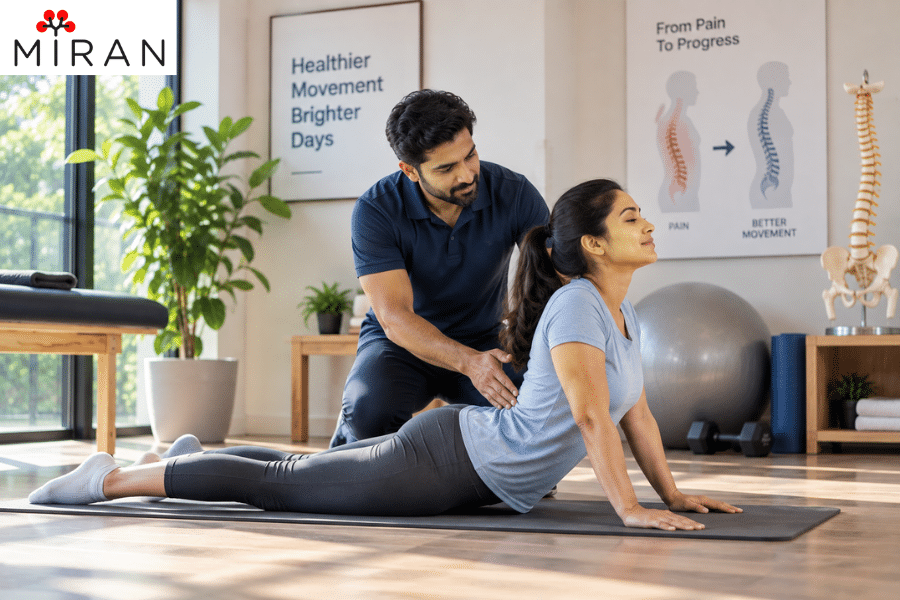
Living with lower back pain does not mean you have to avoid movement indefinitely. With the right guidance, many people can gradually improve their mobility, strength and confidence.
At Miran Neuro Physiotherapy and Rehab Santacruz, our personalised physiotherapy focuses on understanding your movement needs and supporting a safe, progressive return to everyday activities. With the right treatment approach, managing lower back pain can become less about avoiding movement and more about building the strength and confidence to move comfortably again.
Image Reference: Magnific
Disclaimer: All trademarks, logos, and brand names are the property of their respective owners. All company, product, and service names used on this website are for identification purposes only. Use of these names, trademarks, and brands does not imply endorsement.