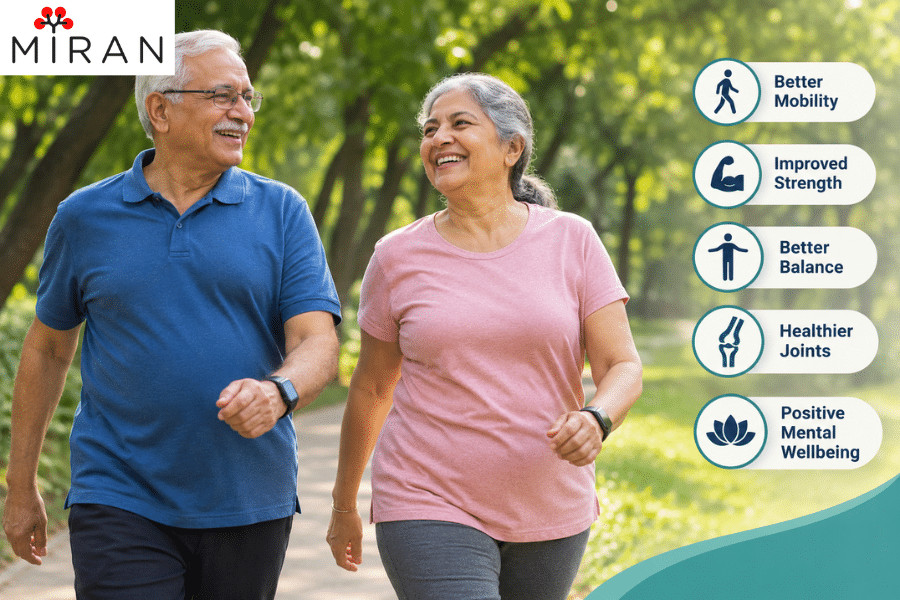

Fall Prevention Therapy | Improve Balance and Stability | Miran
It can seem like a minor problem to trip on a walk, need to hold onto furniture for balance or feel a little nervous when going up stairs. But occasionally these moments signal that balance is becoming more difficult to maintain.
As we get older, changes in muscle strength, flexibility, coordination and body awareness can affect the way we move. Even simple things such as getting out of bed, walking to the kitchen, or going outside can start to seem increasingly challenging.
A fall can do more than affect your physical health. It can make you afraid to go out, and you might stop doing things you used to enjoy.
This scenario is where fall prevention therapy is important. The focus is on improving balance, building strength and control of movement to help people move more safely and confidently in their daily lives.
Is Your Body Giving You Signs of Balance Difficulties?
Falls do not always happen without warning. Occasionally, the body shows small changes that should not be ignored.
Here are a few signs that may indicate a need for balance and mobility assessment:
- You may feel unsteady while walking or standing.
- You may also find yourself holding onto walls or furniture for support.
- Difficulty getting up from a chair.
- Hesitation while climbing stairs or stepping over obstacles.
- Frequent stumbling or losing balance while turning.
- Reduced confidence when walking outdoors.
- Difficulty standing on one leg or changing direction.
These difficulties may be associated with ageing, muscle weakness, neurological conditions, previous injuries, vision changes or certain medications.
Recognising these signs early can help individuals seek appropriate guidance and work towards safer movement.
Why Do Falls Become More Common with Age?
It takes several systems in the body working together to maintain balance. The brain, eyes, inner ear, muscles and joints are in constant communication with each other so that we know where we are and can react to changes in movement.
However, certain changes can affect this process.
Reduced Muscle Strength: Weakness in the legs and core muscles can make standing, walking and recovering balance more difficult.
Changes in Coordination: The body may take longer to respond when changing direction or stepping over an obstacle.
Reduced Joint Flexibility: Stiffness can restrict movement and affect the ability to adjust body position.
Postural Changes: Changes in posture and body alignment may influence stability while standing and walking.
Reduced Physical Activity: Spending long periods sitting can contribute to reduced strength, mobility and physical confidence.
Understanding the possible causes helps physiotherapists identify areas that may benefit from targeted exercises and movement training.
What Happens During Fall Prevention Therapy?
Fall prevention is not simply about teaching someone to walk carefully. It involves improving the physical abilities required to maintain stability during everyday activities.
A personalised fall prevention exercise programme may include the following activities:
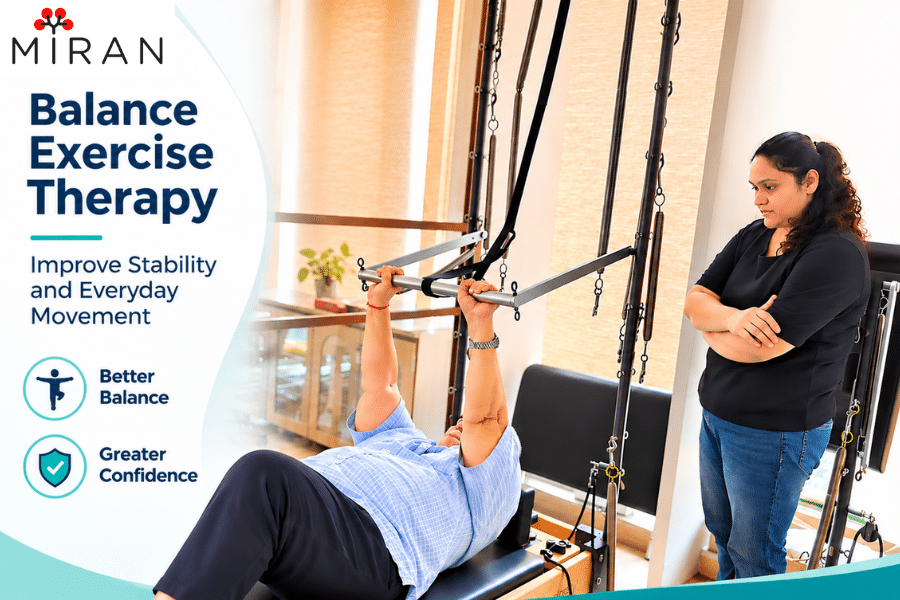
- Balance and Stability Training
Exercises such as supported standing, controlled weight shifting and suitable single-leg activities can help individuals practise maintaining their balance.
- Strengthening the Leg Muscles
Stronger leg muscles support important movements such as standing, walking, climbing stairs and getting up from a chair. Exercises are selected according to individual strength and ability.
- Walking and Gait Training
Walking involves coordination, posture and controlled movement. Guided walking practice may focus on step placement, walking rhythm, turning and changing direction.
- Coordination Exercises
Simple stepping activities and controlled movements can help individuals to practise responding to changes in body position and direction.
- Functional Movement Practice
Everyday movements are an important part of rehabilitation. Practising sitting down, standing up, reaching and stepping can help individuals work towards performing daily activities more comfortably.
The exercises should always be adapted to the person’s physical condition, mobility and fall history. Individuals with significant balance difficulties may require support or supervision.
Turning Small Steps into Greater Independence
At Miran Neuro Physiotherapy and Rehab, physiotherapy isn’t just about helping people with their current movement problems. It also focuses on health in general, exercise, and being able to do daily tasks on your own.
If someone has trouble keeping their balance, the best way to start an exercise plan is to learn about their daily routine, physical abilities, and areas where they need extra help.
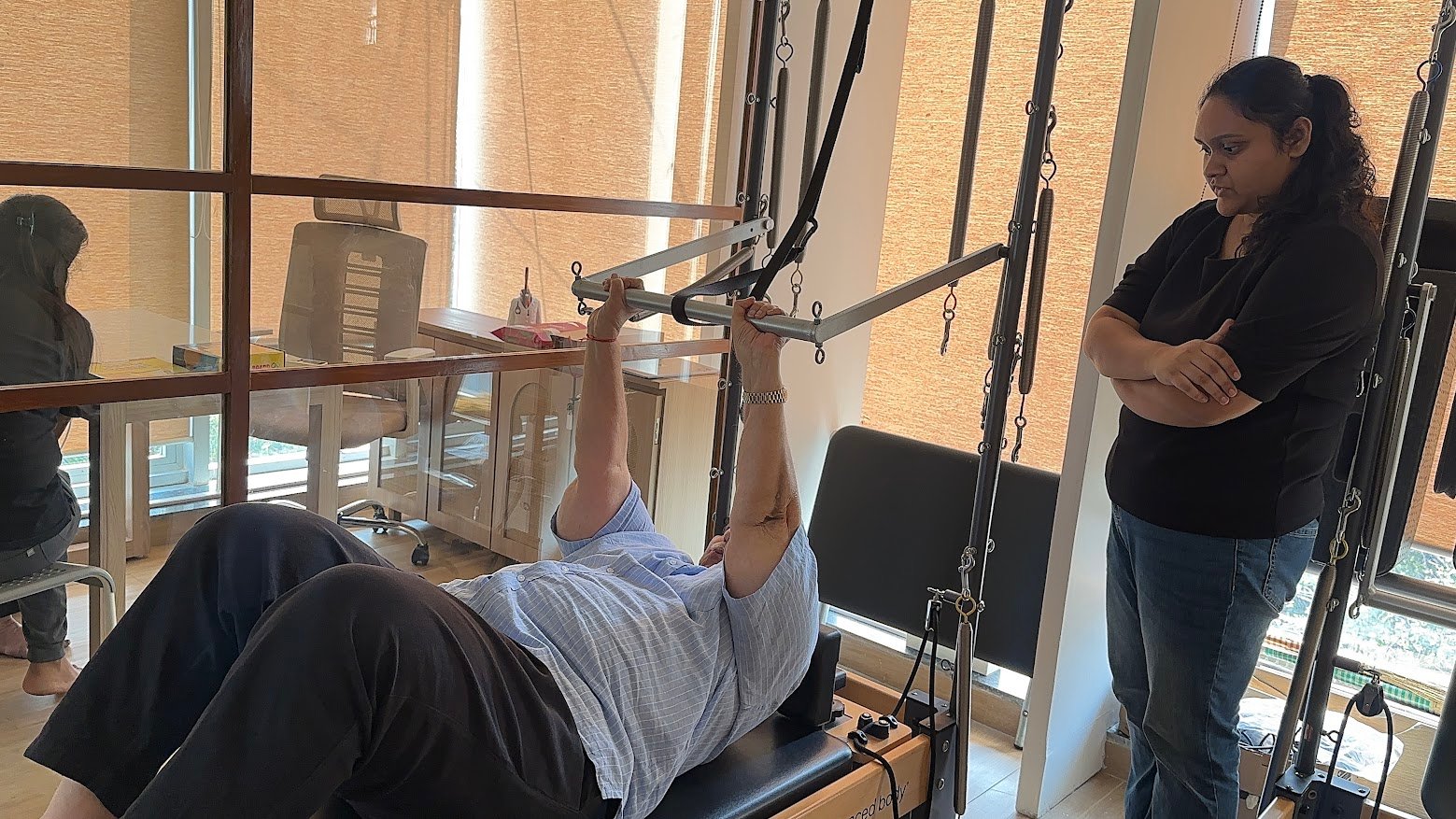
Depending on the person, physiotherapy sessions may include exercises to improve balance, build muscle, practise walking, fix bad posture, and teach functional movement.
One older person who has trouble getting out of a chair might benefit from exercises that focus on strengthening their legs and teaching them how to stand up steadily. If someone has trouble walking or turning, they might need help with their coordination and gait.
At Miran, workouts are planned based on each person’s needs instead of having everyone follow the same routine. Helping people reach useful goals that matter in their daily lives is the main goal.
Carers and family members can also play a big role by encouraging the right kind of movement, helping out when it’s needed, and keeping the home safe.
A Safer Home Can Make a Big Difference
Even individuals with reasonable strength and balance can experience falls because of hazards in their surroundings. Making a few practical changes at home can help reduce avoidable risks.
Consider these simple precautions:
- Clear walking areas of loose items and other junk.
- Make sure there is enough light, especially in hallways and stairs.
- Put up the right handrails where they are needed.
- Don’t walk on loose rugs or floors that are easy to slip on.
- Wear shoes that fit well and are comfortable.
- Always keep things you use often close at hand.
- Make sure you use your walking aids the right way.
It is also important to review vision, medications and other health-related factors with the appropriate healthcare professional, as these can influence fall risk.
Frequently Asked Questions
Why do older adults experience frequent falls?
Age-related changes in muscle strength, flexibility, coordination, vision and balance can increase the risk of falls among older adults.
Which exercises help prevent falls in elderly people?
Balance training, supported standing, leg strengthening, weight-shifting and walking exercises may help improve stability and movement control.
What are the early signs of increased fall risk?
Frequent stumbling, difficulty standing up, feeling unsteady while walking and holding furniture for support may indicate balance difficulties.
Healthy Tips: Confidence Begins with Safer Movement
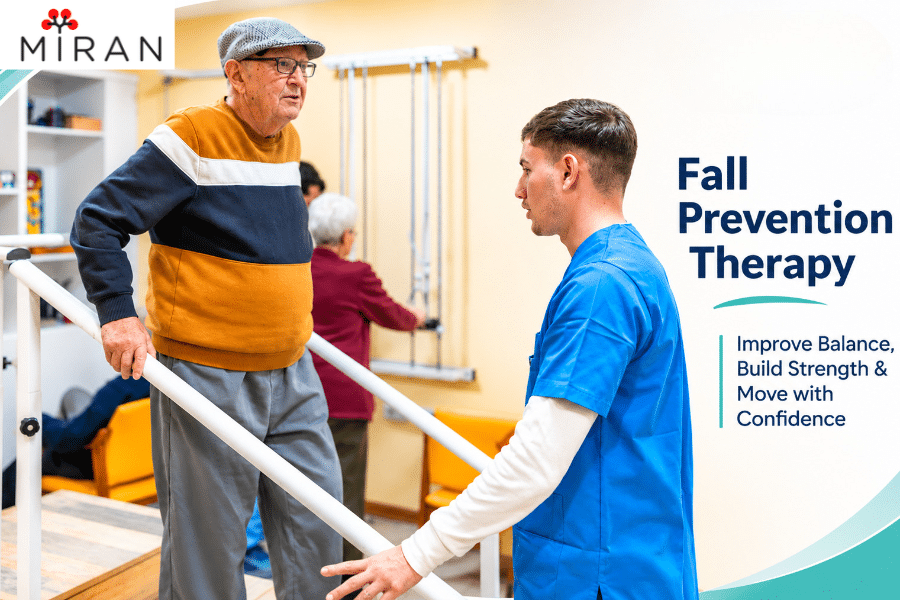
Preventing falls is not about avoiding movement or becoming overly dependent on others. It is about maintaining the physical abilities needed to participate in everyday life with greater confidence.
Regular physical activity, suitable strengthening exercises, balance training and a safer home environment can all contribute to fall prevention.
With the right professional guidance, fall prevention therapy can help individuals work towards better stability, improved mobility and greater independence.
At Miran Neuro Physiotherapy and Rehab, Santacruz, we focus on supporting overall wellbeing through personalised physiotherapy and rehabilitation. Whether an individual wants to improve balance, maintain mobility with age or feel more confident while performing daily activities, our approach focuses on their unique needs and goals. Because staying healthy is not just about preventing falls; it is about continuing to enjoy life with confidence and independence.
Image Reference: Magnific
Disclaimer: All trademarks, logos, and brand names are the property of their respective owners. All company, product, and service names used on this website are for identification purposes only. Use of these names, trademarks, and brands does not imply endorsement.