Types of Physiotherapy | Find the Right Treatment | Miran
Physiotherapy is more than simply finding exercises to relieve pain. It’s about understanding what your body needs, what’s behind your difficulties and what treatment approach can help you move towards your recovery goals. If you are suffering from joint pain, are recovering from surgery, have trouble getting around, or need help for an older family member, the right treatment can make a real difference.
So, which type of physiotherapy is best? The answer depends on your medical condition, age, physical abilities, and rehabilitation goals. Different physiotherapy specialities address different needs, so a professional assessment is an important first step.
Start with Your Condition, Not Just Your Symptoms
Two people may experience similar symptoms but require different rehabilitation approaches. For example, knee pain after a sports injury may need a different treatment plan from knee stiffness associated with ageing or recovery after surgery.
Understanding the underlying problem helps a physiotherapist recommend suitable exercises, techniques, and recovery strategies. Here are some common types of physiotherapy and the situations in which they may be useful.
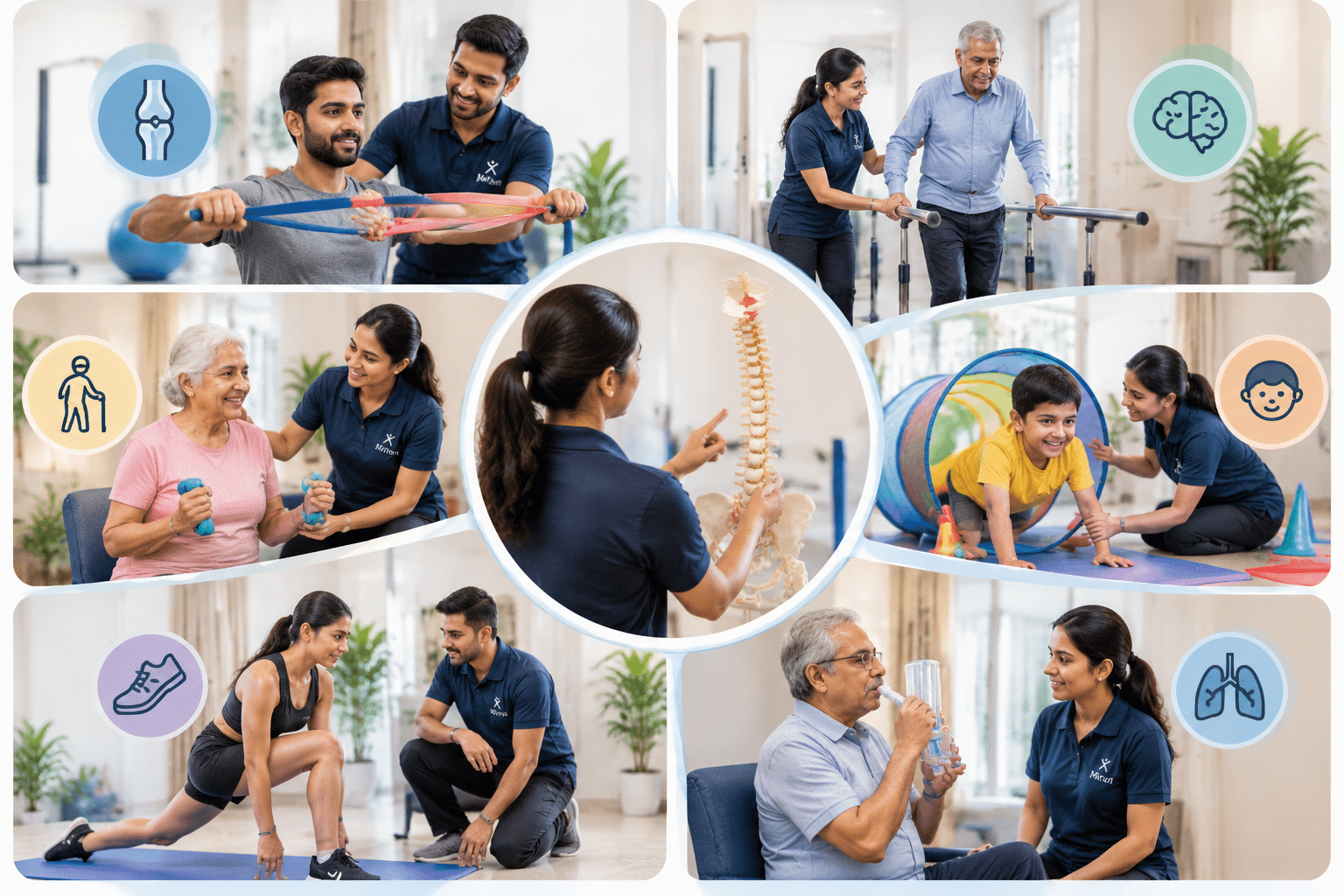
6 Types of Physiotherapy and Their Benefits
- Orthopaedic Physiotherapy: For Bones, Joints and Muscles
If you are suffering from back pain, shoulder stiffness, knee pain, muscle strains or restricted joint movement, then orthopaedic physiotherapy may be appropriate.
This method emphasises improving mobility, flexibility, strength, and functional movement. Treatment will be based on your condition and may include therapeutic exercises, manual techniques, education on posture and gradual progression of activity.
It can also be used to help in the rehabilitation after fractures, joint replacement surgery and other musculoskeletal injuries.
- Neurological Physiotherapy: For Better Movement and Coordination
Conditions affecting the brain, spinal cord, or nervous system can influence how a person walks, maintains balance, coordinates movements, or performs daily activities.
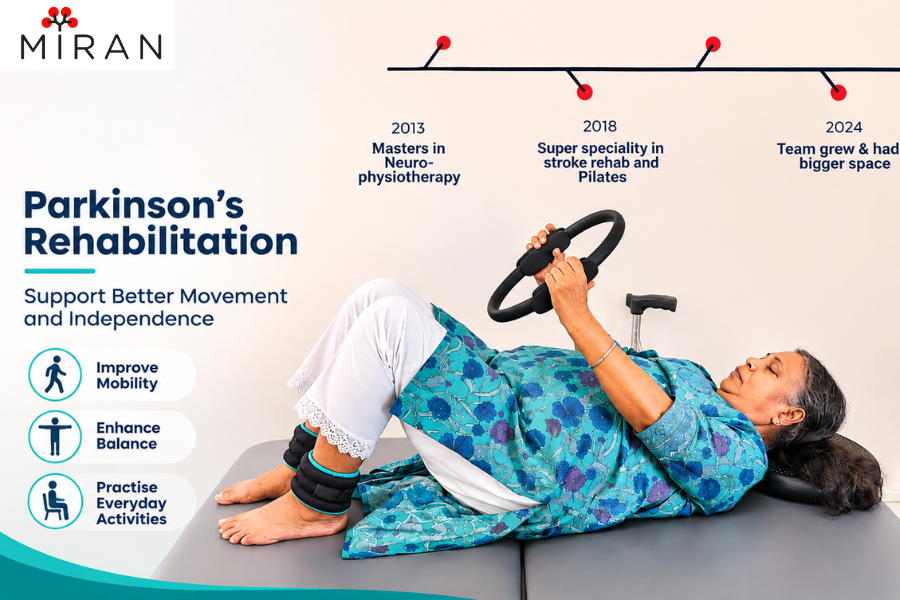
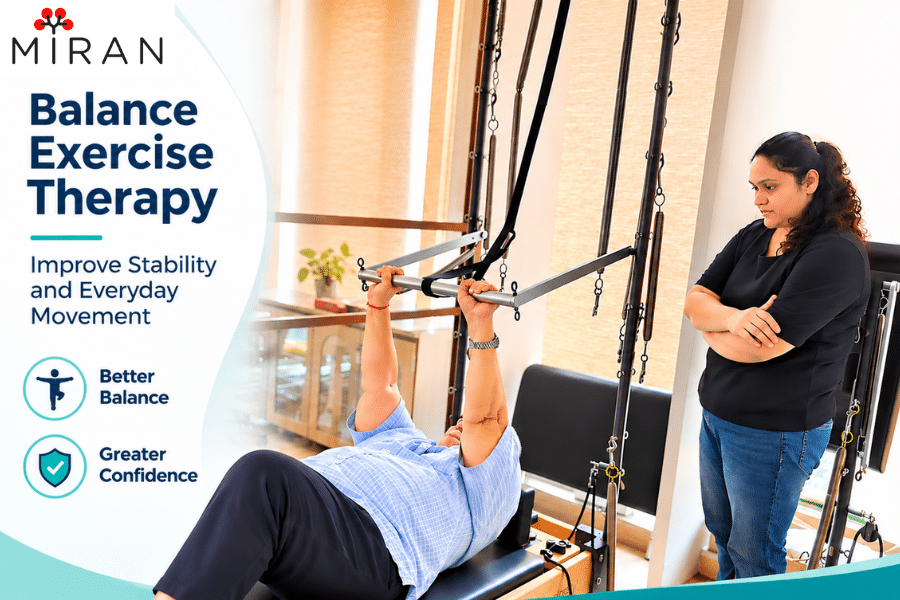
Neurological physiotherapy may help people recovering from a stroke or living with conditions such as Parkinson’s disease or multiple sclerosis. Treatment goals can include practising walking, improving balance, working on movement control, and developing functional independence.
The programme should be tailored to the individual’s neurological condition, abilities, and medical needs.
- Geriatric Physiotherapy: Supporting Active Ageing
Ageing can sometimes bring changes in muscle strength, joint flexibility, balance, and walking confidence. These difficulties may make daily activities more challenging and increase the risk of falls.
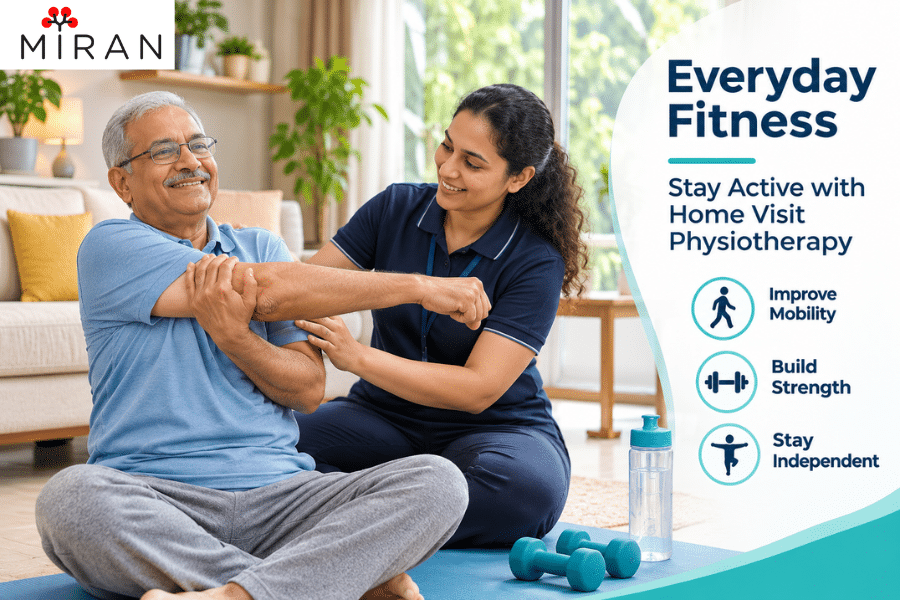
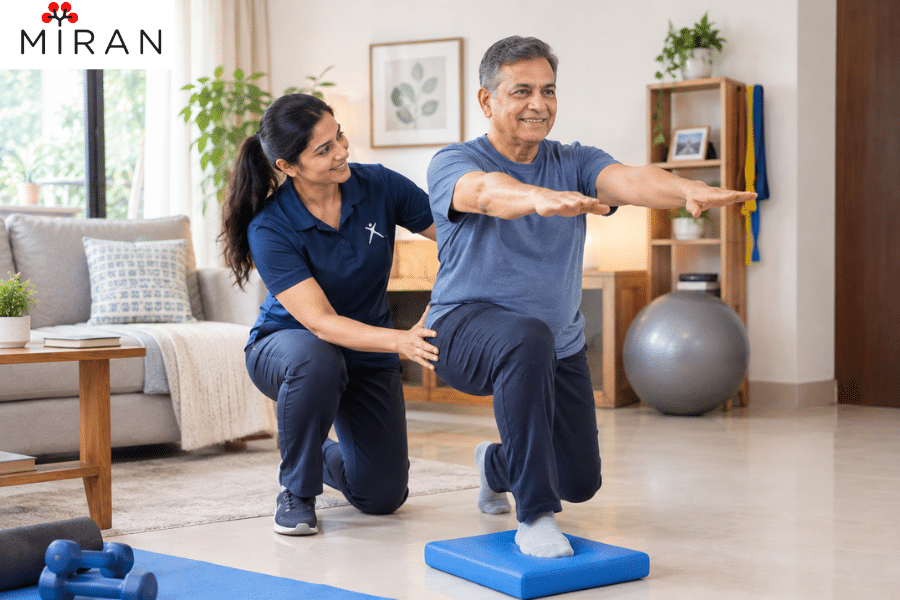
Geriatric physiotherapy focuses on maintaining physical function and supporting independence in older adults. Exercises may target strength, balance, flexibility, posture, and safe movement during everyday tasks.
The goal is to help older adults remain as active and independent as their health and abilities allow.
- Paediatric Physiotherapy: Helping Children Develop Movement Skills
Children may need physical therapy if problems with development, neurological disorders, birth defects or physical problems affect their movement.
In paediatric physiotherapy you work on coordination, strength, balance, posture and functional movement through appropriate activities for the child’s age. Treatment is tailored to the child’s developmental stage and individual needs and often involves parents or carers.
- Sports Physiotherapy: Returning to Activity Safely
Sports injuries can affect athletes and people who exercise recreationally. Muscle strains, ligament injuries, overuse problems, and movement-related discomfort may require structured rehabilitation.
Sports physiotherapy focuses on restoring strength, mobility, coordination, and the physical abilities required for a safe return to activity. Treatment may also include movement assessment and strategies to reduce the risk of future injuries.
- Cardiopulmonary Physiotherapy: Supporting Breathing and Endurance
Some medical conditions can affect breathing capacity, exercise tolerance or ability to do physical activity without too much fatigue.
People with some heart or lung conditions, including rehabilitation following some medical procedures, may benefit from cardiopulmonary physiotherapy. Treatment may include breathing exercises, graded physical activity, and endurance training if medically cleared.
The programme should be planned according to the person’s health status and the advice of their medical team.
Which Type of Physiotherapy Should You Choose?
Instead of choosing a treatment based only on its name, consider the problem you want to address.
- For joint pain or stiffness: Ask about orthopaedic physiotherapy.
- For stroke-related movement difficulties: Explore neurological physiotherapy.
- For balance concerns in older adults: Consider geriatric or neurological rehabilitation, depending on the cause.
- For a child’s movement difficulties: Seek an assessment from a paediatric physiotherapist.
- For a sports injury: Look for a physiotherapist experienced in sports rehabilitation.
- For breathing or endurance problems: Ask your doctor whether cardiopulmonary physiotherapy is appropriate.
Some patients may benefit from more than one approach. A qualified physiotherapist can assess your condition, understand your goals, and recommend a suitable treatment plan. Manual therapy, therapeutic exercise, balance training, and other techniques may then be incorporated where clinically appropriate.
Why Personalised Treatment Matters
It’s not always the case that the rehabilitation programme with the most exercises or the newest equipment is the best one. It’s the one that focuses on your specific problems and builds on what you already know.
A personalised plan looks at your medical history, symptoms, daily routine, physical limitations, and how fast you want to recover. Regularly reviewing your progress can also help you decide whether to change your exercises.
It’s important to be consistent, but your treatment should still be right for your condition. Seek medical help if your symptoms don’t make sense or get worse, and get medical help right away if you suddenly feel weak, your face falls, or you have trouble speaking.
Frequently Asked Questions
Which type of physiotherapy is best?
The best type of physiotherapy depends on your condition, symptoms, physical abilities, and recovery goals. A physiotherapist can assess your needs and recommend a suitable treatment approach.
What are the main types of physiotherapy?
Common types include orthopaedic, neurological, geriatric, paediatric, sports, and cardiopulmonary physiotherapy. Each focuses on different health and rehabilitation needs.
Which physiotherapy is suitable after a stroke?
Neurological physiotherapy may help stroke survivors work on balance, walking, coordination, strength, and everyday functional movements, depending on their individual needs.
Healthy Tips: Find the Right Physiotherapy Support with Miran

Choosing the right physiotherapy approach is the first step towards working on better movement, improved physical function, and greater confidence in daily life. Understanding your needs and receiving professional guidance can help you make an informed decision about your rehabilitation.
Miran Neuro Physiotherapy and Rehab, located in Santacruz West, Mumbai, provides physiotherapy and rehabilitation support tailored to individual needs. Whether you are seeking help with neurological movement difficulties, joint-related problems, balance, or functional recovery, the appropriate treatment depends on your condition and assessment.
If you are unsure which type of physiotherapy may be suitable for you or a family member, contact Miran to discuss your requirements and available services. With an individualised approach and professional guidance, you can make more informed progress towards your rehabilitation goals.
Image Reference: Magnific
Disclaimer: All trademarks, logos, and brand names are the property of their respective owners. All company, product, and service names used on this website are for identification purposes only. Use of these names, trademarks, and brands does not imply endorsement.