Benefits of Neurological Physiotherapy | Miran
Everyday activities such as walking, standing, balancing, and picking things up may seem deceptively simple until a neurological condition makes them difficult. Diseases of the brain, spinal cord or nerves can affect the way the body moves, coordinates movement and responds to its environment. These challenges can impact confidence, independence and engagement in everyday activities.

This scenario is where neurological physiotherapy can play an important role. It focuses on improving movement, managing physical difficulties, and helping individuals achieve greater functional independence. Through personalised exercises and guided rehabilitation, patients practise essential movements and develop strategies that are tailored to their abilities and recovery goals.
How Does Neurological Physiotherapy Help?
Neurological rehabilitation is not simply about strengthening muscles. It also focuses on how the body controls movement and performs everyday tasks. Treatment is planned according to the patient’s condition, symptoms, and current physical abilities.
Here are some important benefits of neurological physiotherapy.
- Improves Mobility and Muscle Strength
Neurological conditions can cause muscle weakness, reduced movement control, or difficulty coordinating different parts of the body. These changes may make standing, walking, and transferring between positions more challenging.
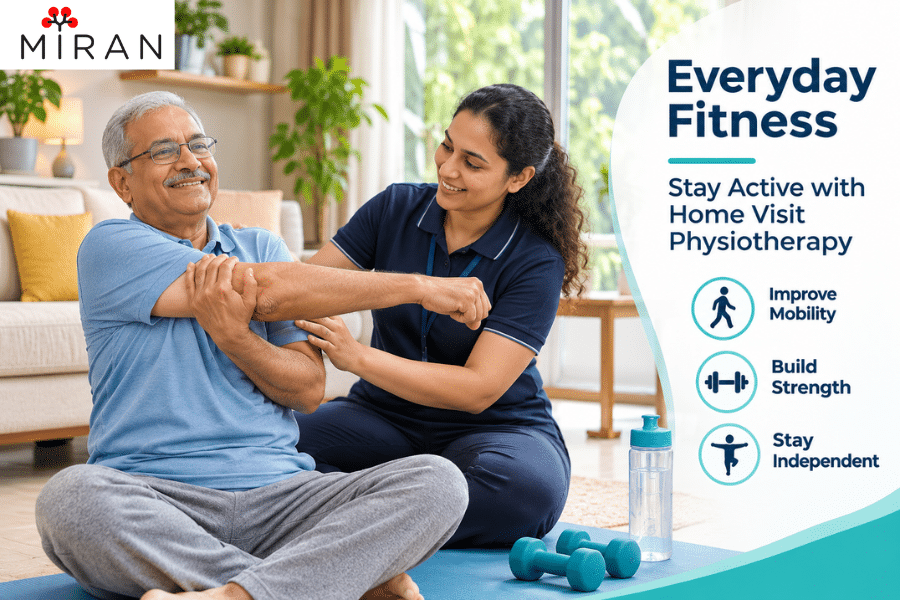
A physiotherapist may recommend strengthening exercises, supported movement practice, and functional activities to improve physical abilities. The programme is adjusted according to the patient’s needs, helping them to work towards safer, more controlled movement.
- Develops Better Balance and Coordination
Problems with balance can affect your confidence when you are walking, turning or changing your position. They may also pose an increased risk of falls, especially for those with limited mobility.
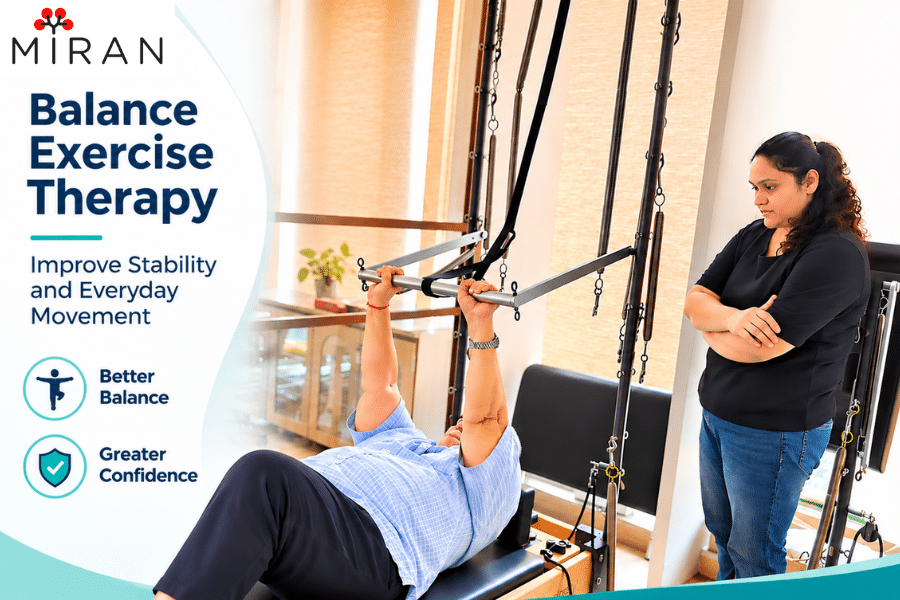
Neurological physiotherapy may involve weight-shifting, controlled standing, coordination exercises and appropriate walking practice. These activities help patients work on stability and body awareness and learn to move more confidently within their abilities.
- Supports the Brain’s Ability to Adapt
The nervous system has a capacity called neuroplasticity, which allows it to adapt and reorganise through learning and experience. Repeated practice of relevant movements can support this process during neurological rehabilitation.
For example, a patient recovering from a stroke may practise specific movements or functional tasks under professional guidance. The exercises are selected according to the patient’s abilities and progressed as appropriate. Recovery varies between individuals, but consistent, goal-directed practice can be an important part of rehabilitation.
- Helps Manage Muscle Stiffness and Spasticity
Some neurological conditions cause increased muscle tone, stiffness, or involuntary muscle contractions. These symptoms can make movement uncomfortable and interfere with daily activities.
Depending on the patient’s condition, treatment may include appropriate positioning, gentle movement, stretching, and functional exercises. The aim is to help manage stiffness, maintain joint mobility, and make movement easier where possible.
- Encourages Greater Independence in Daily Activities
Helping people participate more fully in everyday life is a crucial goal of rehabilitation. A neurological injury or illness can make it particularly challenging to do things like get out of bed, stand up from a chair, walk around inside, or move safely from one room to another.
These functional movements can be integrated into a structured neurological physiotherapy programme. Practising activities linked to daily routines helps patients move towards completing tasks appropriately, with greater control and, when possible, with less support.
- Supports Posture and Walking Ability
Many types of neurological conditions can alter the way you stand, walk and coordinate movement. These challenges can impact a person’s movement safety and efficiency.
A physiotherapist can assess walking, posture and functional movement and prescribe appropriate exercises or gait training. Some may need help with walking, stepping, posture exercises or how to get around in everyday environments.
- Builds Confidence During Recovery
Living with movement difficulties can sometimes make people hesitant to participate in activities they previously managed independently. A structured rehabilitation programme offers opportunities to practise movements in a controlled environment and gradually work towards achievable goals.
Recognising progress, even when it involves small changes, can help patients feel more confident in their abilities. Family involvement and appropriate professional guidance can further support participation throughout rehabilitation.
Who Can Benefit from Neurological Physiotherapy?
This specialised approach may be suitable for people experiencing movement or functional difficulties associated with:
- Stroke: Working on balance, walking, strength, and functional movement.
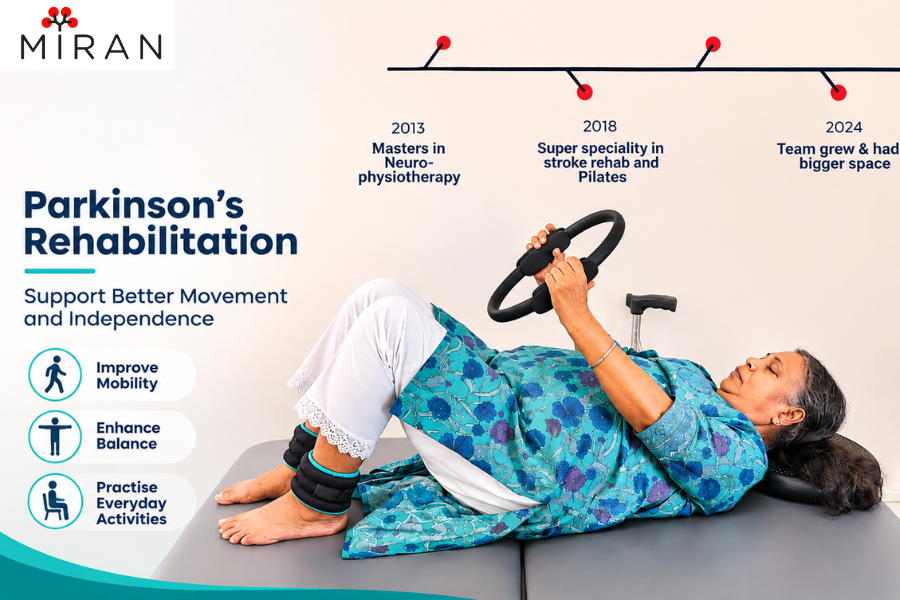
- Parkinson’s disease: Addressing posture, movement initiation, coordination, and walking difficulties.
- Multiple sclerosis: Supporting mobility and physical function according to symptoms and fatigue levels.
- Spinal cord injuries: Working towards appropriate movement, strength, transfers, and functional goals.
- Cerebral palsy: Supporting posture, mobility, coordination, and everyday physical activities.
- Other neurological conditions: Addressing movement limitations identified during an individual assessment.
Treatment should always be tailored to the patient’s condition and medical requirements. A qualified physiotherapist can assess individual needs and recommend an appropriate rehabilitation plan.
What Makes a Neurological Rehabilitation Plan Effective?
The most suitable programme is one that reflects the patient’s abilities, priorities, and clinical needs. It may combine therapeutic exercises, balance training, walking practice, functional movement, and education, depending on the assessment.
Regular progress reviews help ensure that exercises remain appropriate as the patient’s abilities change. Consistency is valuable, but activities should never exceed safe limits or replace necessary medical care.
Frequently Asked Questions
Who can benefit from neurological physiotherapy?
People recovering from a stroke or living with conditions such as Parkinson's disease, multiple sclerosis, cerebral palsy, or spinal cord injuries may benefit from individualised neurological rehabilitation.
Where can I get neurological physiotherapy in Mumbai?
Miran Neuro Physiotherapy and Rehab, located in Santacruz West, Mumbai, provides personalised physiotherapy and rehabilitation support. Contact the clinic to discuss your neurological rehabilitation needs and suitable treatment options.
How long does neurological physiotherapy take to show results?
Progress varies depending on the neurological condition, its severity, overall health, and consistency with rehabilitation. A physiotherapist can review progress and adjust the treatment plan as needed.
Healthy Tips: Personalised Neurological Rehabilitation with Miran

Improving movement is about more than just completing exercises; it is about working towards greater confidence, participation, and independence in everyday life. With suitable professional guidance, neurological rehabilitation can help individuals address movement challenges and pursue realistic functional goals.
Miran Neuro Physiotherapy and Rehab, located in Santacruz West, Mumbai, provides physiotherapy and rehabilitation support tailored to individual needs. For individuals experiencing neurological movement difficulties, an appropriate rehabilitation plan can focus on mobility, balance, coordination, and daily functional activities according to their assessment.
If you or a family member is looking for neurological physiotherapy, contact Miran to discuss your condition, rehabilitation requirements, and available services. A personalised approach can help you take informed steps towards your movement and recovery goals.
Image Reference: Magnific
Disclaimer: All trademarks, logos, and brand names are the property of their respective owners. All company, product, and service names used on this website are for identification purposes only. Use of these names, trademarks, and brands does not imply endorsement.