
Occupational and Cognitive Therapy | Supporting Independence | Miran
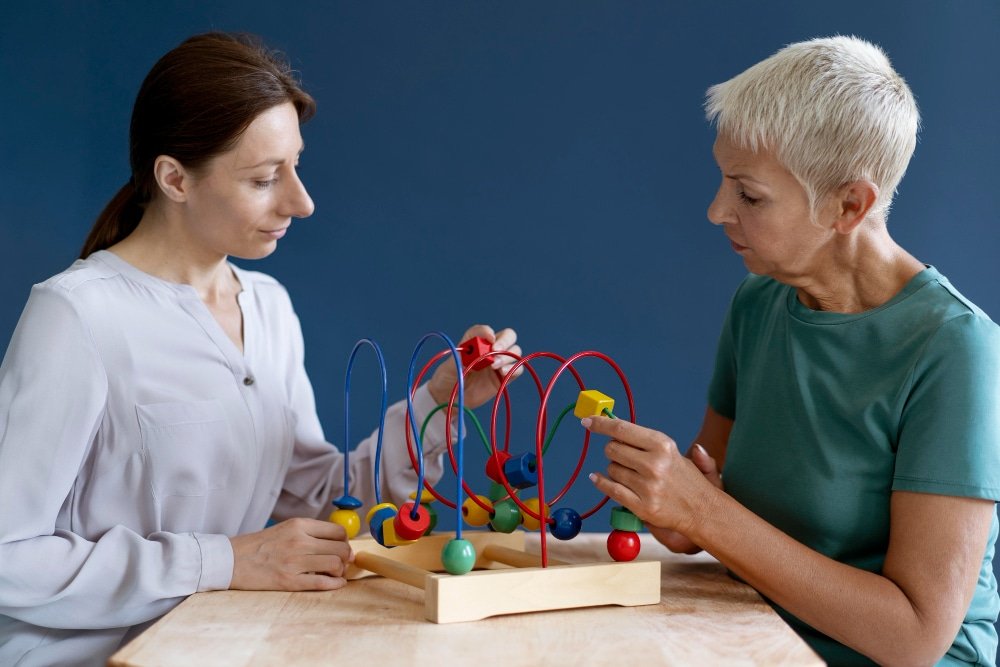
Imagine forgetting how to do a task you’ve done before, struggling to focus on a conversation, or making an everyday activity much harder than it used to be. These changes can influence more than just physical ability. They can affect confidence, independence, work, communication, and participation in everyday life.
This area is where occupational and cognitive therapy can play an important role in rehabilitation.
The approach considers more than a single symptom. It focuses on helping people to increase or modify the skills they need to perform daily activities while addressing cognitive challenges that may affect how they think, remember, plan and respond.
When Everyday Tasks Stop Feeling Automatic
Most daily activities require several abilities to work together.
Take something as simple as preparing breakfast.
You need to:
Remember what you want to prepare → Plan the steps → Find the required items → Coordinate your movements → Stay focused → Complete the task safely.
A neurological condition, brain injury, stroke or other health challenge can affect one or several of these abilities.
Occupational & Cognitive Therapy can help individuals work on these skills in a structured and meaningful way.
The Two Sides of Rehabilitation
Occupational and cognitive rehabilitation can address different but connected areas of daily functioning.
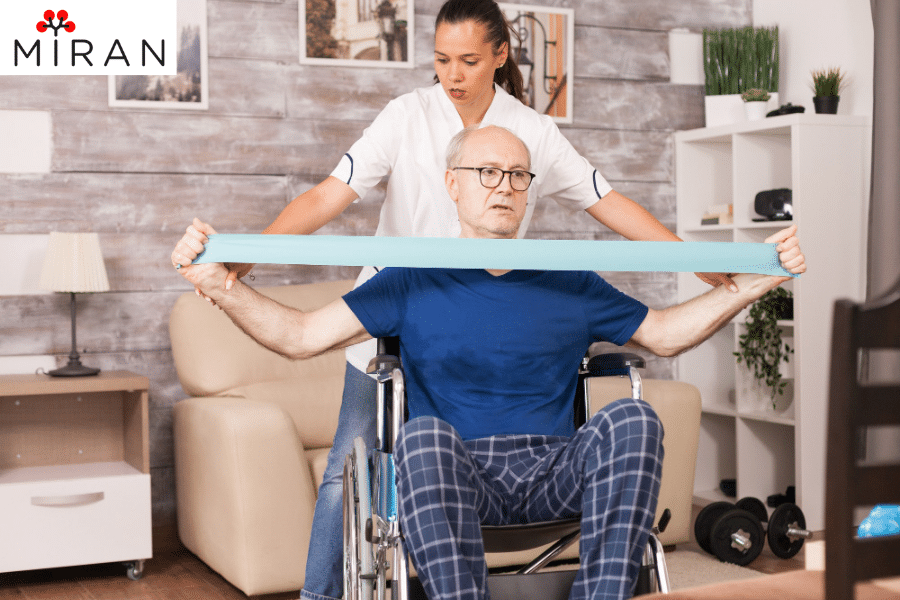
Occupational Skills – Occupational therapy focuses on activities that people need or want to perform in their everyday lives.
These may include:
- Dressing and grooming
- Eating and meal preparation
- Writing and using a computer
- Household activities
- Work-related tasks
- Managing personal routines
- Participating in hobbies
- Improving independence at home
The emphasis is on practical function rather than simply performing exercises.
Cognitive Skills – Cognitive abilities influence how we process information and manage everyday situations.
Therapy may address areas such as:
- Memory
- Attention
- Concentration
- Problem-solving
- Planning
- Organisation
- Mental flexibility
- Following sequences
These skills can be important for both personal independence and participation in work or social activities.
A More Meaningful Way to Practise
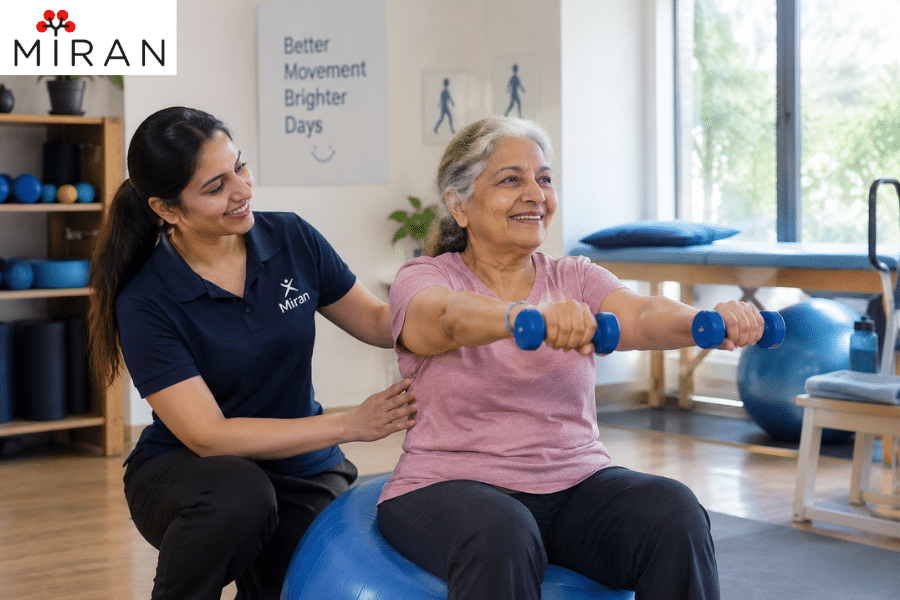
One of the strengths of occupational & cognitive therapy is that it connects activities to real-life situations.
Instead of practising a skill in isolation, therapy may include tasks that are meaningful to the individual.
For example, someone who enjoys cooking may practise planning a simple meal.
Someone returning to office work may work on attention, organisation and task sequencing.
Someone trying to become more independent at home may practise dressing, grooming or household routines. This approach makes therapy more relevant, as the skills being practised have a clear purpose.
Small Tasks Can Reveal Bigger Challenges
An individual may appear physically capable of completing a task but still struggle because of cognitive difficulties.
For example, they may:
- Forget an important step
- Lose concentration halfway through an activity
- Have difficulty organising objects
- Become overwhelmed by several instructions
- Struggle to switch from one task to another
- Take longer to complete familiar activities
These difficulties can sometimes go unnoticed because they are not always visible.
Assessment helps identify which skills are creating challenges and where support may be useful.
Building Better Strategies, Not Just Better Performance
Recovery is not always about returning to exactly the same way of doing something.
Sometimes, learning a new strategy can make an activity easier.
- Memory support – Calendars, reminders, written instructions and structured routines can help with remembering important information.
- Organisation – Breaking a complicated task into smaller steps can make it easier to approach.
- Attention – Reducing distractions and completing one activity at a time may help improve focus.
- Planning – Preparing the required items before starting a task can help make the process more manageable.
- Problem-solving – Practising different ways to approach a task can help encourage greater flexibility and independence.
These strategies can become useful tools beyond the therapy environment.
From Therapy Room to Real Life
A successful rehabilitation programme should connect with everyday life.
You can see progress in simple achievements such as:
Getting dressed independently
↓
Preparing a simple meal
↓
Remembering an appointment
↓
Managing a household task
↓
Returning to a familiar hobby
↓
Participating more confidently in work or social activities
These moments may appear ordinary, but for someone recovering from a neurological or cognitive challenge, they can represent important milestones.
Who May Benefit?
Occupational & Cognitive Therapy may be considered for individuals experiencing difficulties with daily functioning, thinking skills or independence following conditions such as:
- Stroke
- Brain injury
- Neurological conditions
- Cognitive changes
- Certain physical disabilities
- Post-surgical or illness-related functional difficulties
The exact therapy approach depends on the individual’s condition, abilities and personal goals.
A professional assessment is important to determine which areas require attention.
The Importance of Individual Goals
There is no generally accepted definition of independence.
For one person, success might mean being able to manage personal care without help. For another, it may be going back to work, cooking for themselves or doing a favourite hobby again.
That is why occupational & cognitive therapy should be personalised around what is important to the individual. That is why occupational & cognitive therapy should be personalised around what is important to the individual.
Therapy goals can be practical, quantifiable & meaningful.
Instead of just asking if a person can do an exercise, we can ask whether they can use that ability in their everyday environment.
Progress May Look Different for Everyone
Cognitive and occupational recovery may take time. Some skills may need to be practised and adapted; others may improve rapidly.
Family members and carers can also play an important role by providing encouragement and allowing the individual to participate in tasks as independently as possible.
Too much assistance can sometimes reduce opportunities for practice. Appropriate support, on the other hand, can encourage confidence while maintaining safety.
Creating More Independence, One Skill at a Time
The goal of occupational & cognitive therapy is to make daily life more manageable. The goal of occupational & cognitive therapy is to make daily life more manageable.
It may mean re-learning an old skill, developing a new strategy or discovering a different way to do a familiar task.
These changes can enable individuals to take a more active role in their homes, workplaces and communities.
The real magic happens when progress extends beyond the clinic and starts to show up in the nitty-gritty moments of everyday living.
Frequently Asked Question
What is Occupational & Cognitive Therapy?
Occupational & Cognitive Therapy combines practical activity-based rehabilitation with strategies that support cognitive skills such as memory, attention, planning, concentration and problem-solving.
Who can benefit from Occupational & Cognitive Therapy?
It may benefit people experiencing difficulties with daily activities, thinking skills or independence following a stroke, brain injury, neurological condition, illness or physical disability.
How long does Occupational & Cognitive Therapy take?
The duration varies depending on the individual's condition, goals, abilities and progress. A personalised assessment helps determine the appropriate therapy plan and progression.
Healthy Tips
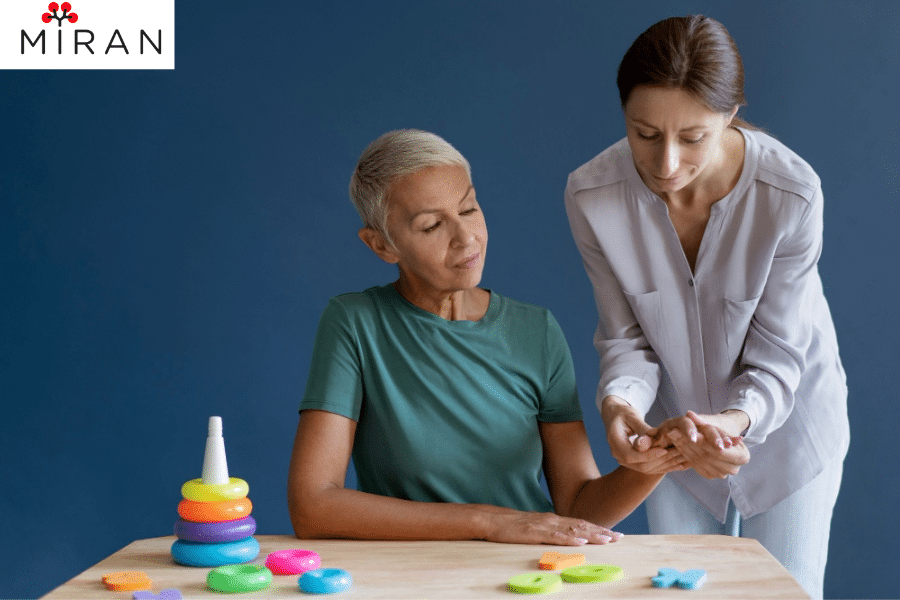
Recovery is not only about improving physical abilities. Remembering, planning, concentrating, organising and completing everyday activities are equally important parts of living independently. Miran Neuro Physiotherapy and Rehab takes a functional and personalised approach to occupational & cognitive therapy, helping individuals work on meaningful skills and practical strategies that can support greater participation, confidence and independence in everyday life.
Image Reference: Magnific
Disclaimer: All trademarks, logos, and brand names are the property of their respective owners. All company, product, and service names used on this website are for identification purposes only. Use of these names, trademarks, and brands does not imply endorsement.