NEUROPHYSIOTHERAPY FOR BELL’S PALSY
Supporting Facial Movement, Function & Recovery
Bell’s Palsy can cause sudden weakness or reduced movement on one side of the face, making everyday activities such as smiling, closing the eye, speaking and eating more difficult.
At Miran Physiotherapy and Pilates, we provide personalised neurophysiotherapy support for people experiencing facial weakness associated with Bell’s Palsy. Our approach focuses on assessment, appropriate exercises and gradual recovery based on your individual condition.
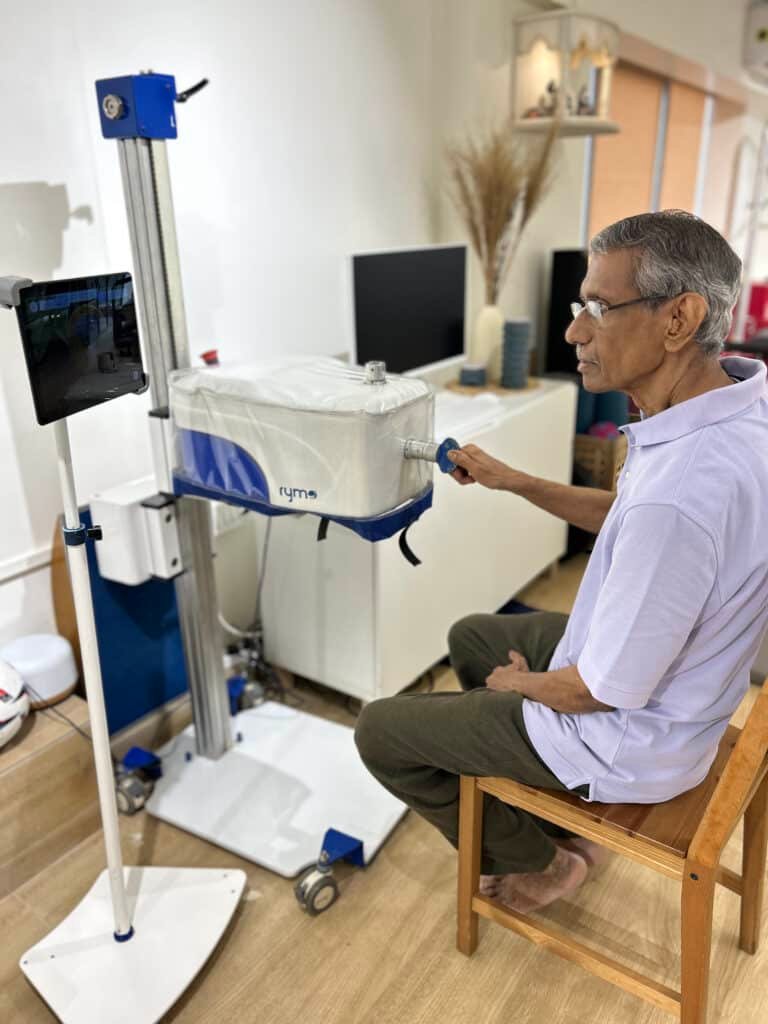
Bell’s Palsy Rehabilitation That Focuses on Your Recovery
Bell’s Palsy affects the facial nerve and can temporarily change facial movement and control.
Every person’s recovery can be different. Physiotherapy may form part of a rehabilitation plan depending on your symptoms, stage of recovery and medical advice.
Our sessions may focus on:
- Assessment of facial movement
- Improving awareness and control of facial muscles
- Appropriate facial movement exercises
- Relaxation and movement control
- Functional facial activities
- Guidance for safe exercises at home
- Monitoring changes throughout rehabilitation
The programme is adjusted according to your individual needs and recovery stage.
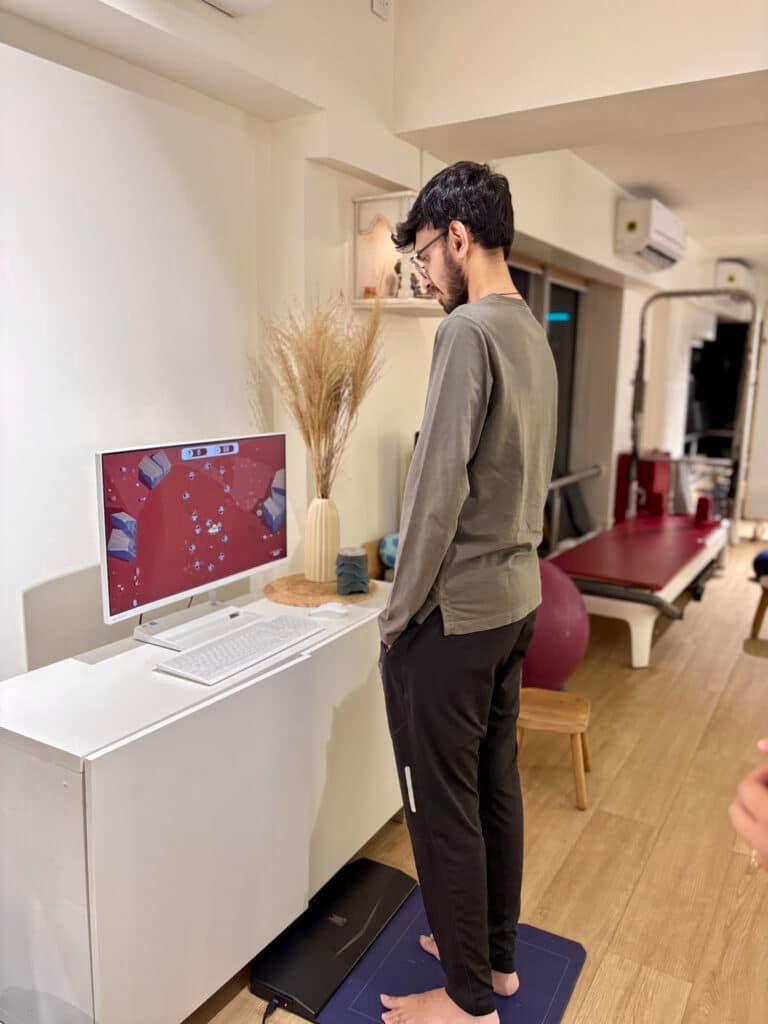

Neurophysiotherapy for Facial Weakness
Facial weakness can affect more than appearance. It may make activities such as drinking, eating, speaking, smiling or closing the eye more challenging.
Neurophysiotherapy focuses on helping you understand and manage changes in movement and function.
Your rehabilitation may include:
- Facial movement assessment
- Gentle, controlled facial exercises
- Movement retraining
- Facial muscle coordination
- Functional practice
- Relaxation techniques where appropriate
- Home exercise guidance
- Progress-based rehabilitation
Exercises should be performed appropriately for your condition rather than using excessive or repetitive facial movements.
Personalised Bell’s Palsy Rehabilitation
- Individual neurophysiotherapy sessions
- Facial movement retraining
- Functional movement practice
- Exercise progression
- Guidance for daily activities
- Home rehabilitation recommendations
- Regular reassessment of progress
Our goal is to provide structured support while allowing your recovery to progress at an appropriate pace.
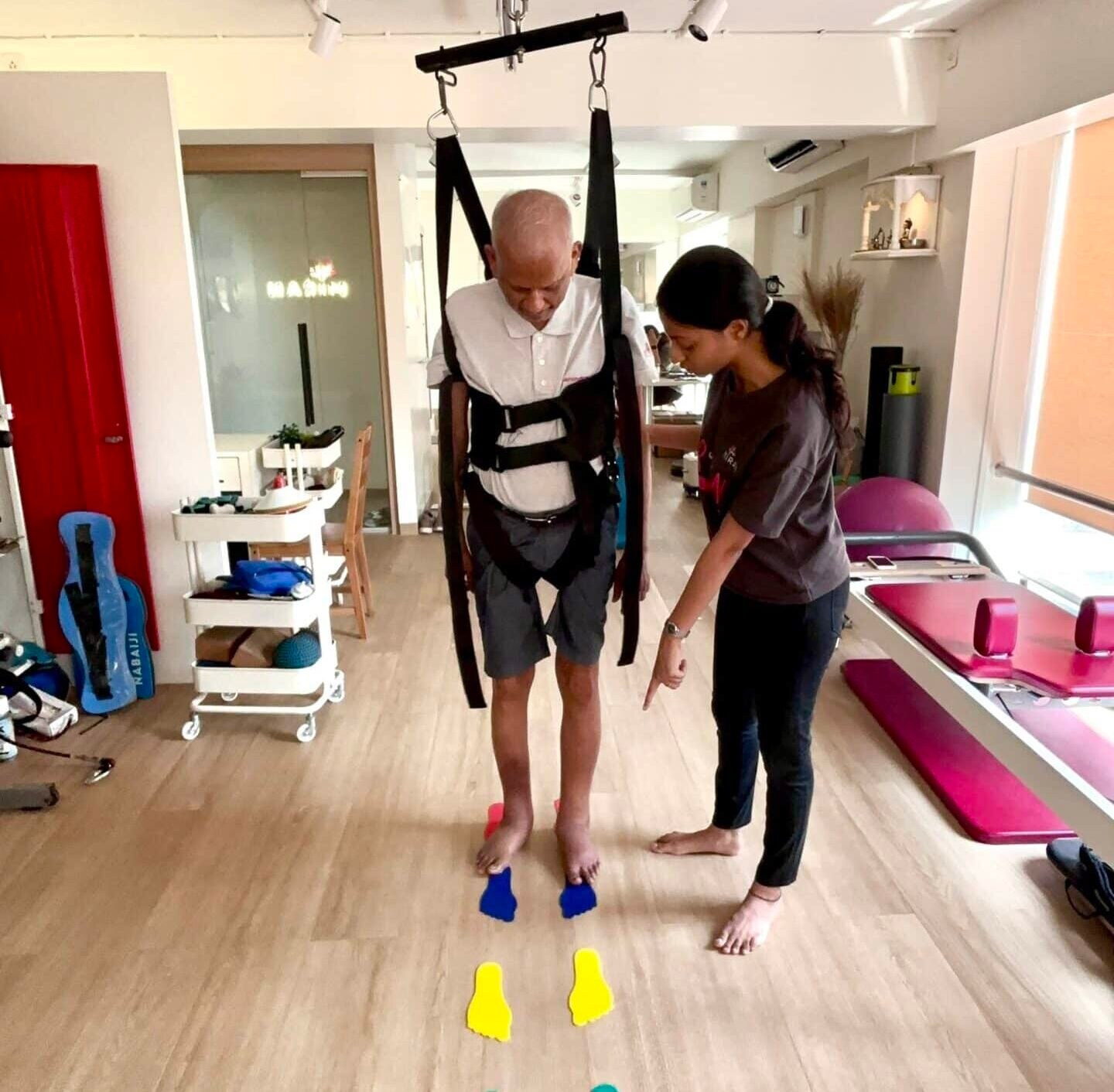
Bell’s Palsy Physiotherapy in Mumbai
Let’s Answer Your First Questions
1. What is Bell’s Palsy?
Bell’s Palsy is a condition involving weakness or paralysis of the facial muscles, usually affecting one side of the face. It is associated with dysfunction of the facial nerve.
2. Can physiotherapy help with Bell’s Palsy?
Physiotherapy may be used as part of rehabilitation for some people with Bell’s Palsy. The appropriate approach depends on the individual’s symptoms and stage of recovery.
3. What does neurophysiotherapy for Bell’s Palsy involve?
It may involve assessment of facial movement, controlled movement exercises, facial movement retraining and guidance for appropriate home exercises.
4. Can Bell’s Palsy affect everyday activities?
Yes. Facial weakness may affect activities such as smiling, speaking, eating, drinking and closing the eye.
5. When should I start physiotherapy for Bell’s Palsy?
The appropriate timing depends on your symptoms and medical assessment. A physiotherapist can guide rehabilitation based on your individual presentation and any medical recommendations.
6. Should I exercise my face repeatedly after Bell’s Palsy?
Not necessarily. The type, intensity and frequency of facial exercises should be appropriate for your condition. Excessive or inappropriate exercises may not be suitable for everyone.
7. How long does Bell’s Palsy recovery take?
Recovery varies considerably between individuals. Some people improve relatively quickly, while others may experience symptoms for longer. Your healthcare professional can help monitor your progress.
8. Can neurophysiotherapy help with facial muscle control?
Rehabilitation may focus on improving awareness, coordination and controlled facial movement where appropriate.
9. Do I need a medical assessment for Bell’s Palsy?
Yes. Sudden facial weakness should be medically assessed to determine the cause and rule out other conditions that can produce similar symptoms.
10.What happens during a Bell’s Palsy physiotherapy assessment?
The physiotherapist may assess facial symmetry, movement, muscle control and functional difficulties before developing an appropriate rehabilitation programme.
Helping You Work Towards Better Facial Movement
Bell’s Palsy can be an unexpected change that affects communication, eating and everyday confidence.
With appropriate medical care and individualised rehabilitation, you can work towards improving facial movement, coordination and everyday function.