Neurophysiotherapy for Stroke | Restore Movement | Miran
A stroke can change your life in a second. You might suddenly have trouble with simple things like walking, holding objects, getting dressed or keeping your balance. Emergency medical care is only the first step, but recovery does not stop when you leave the hospital. Rehabilitation is where the actual journey begins and that is where Neurophysiotherapy for Stroke comes in.
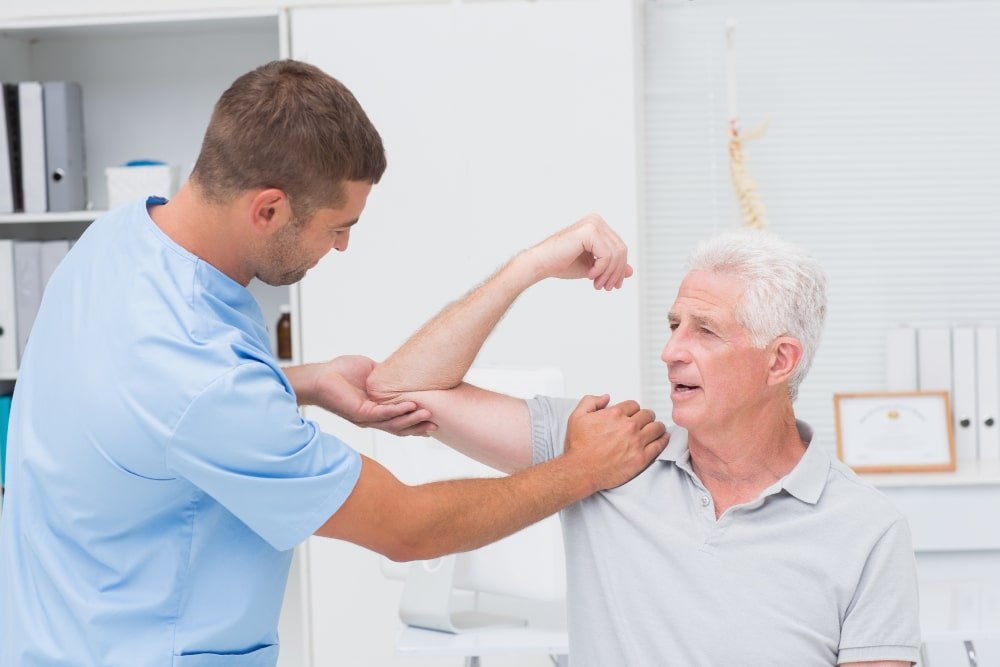
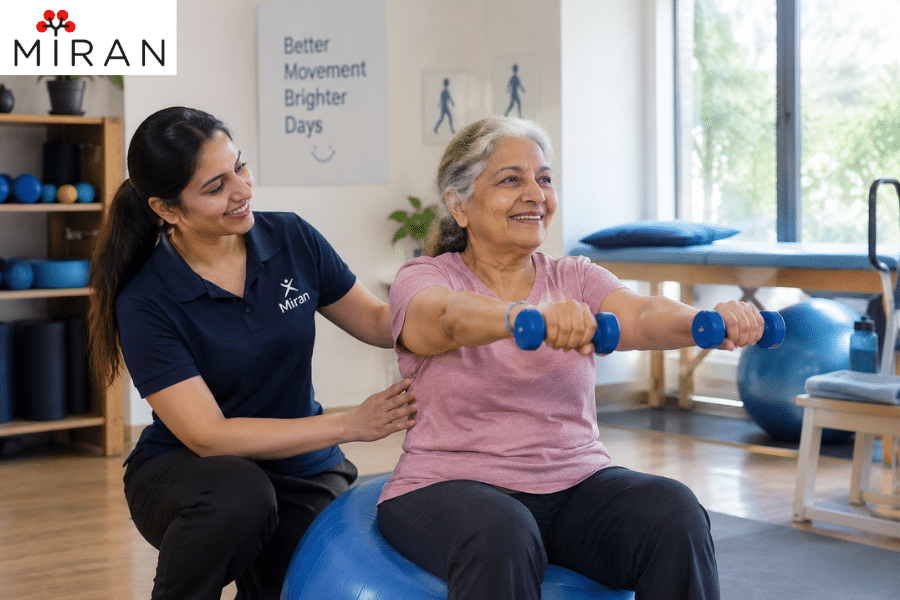
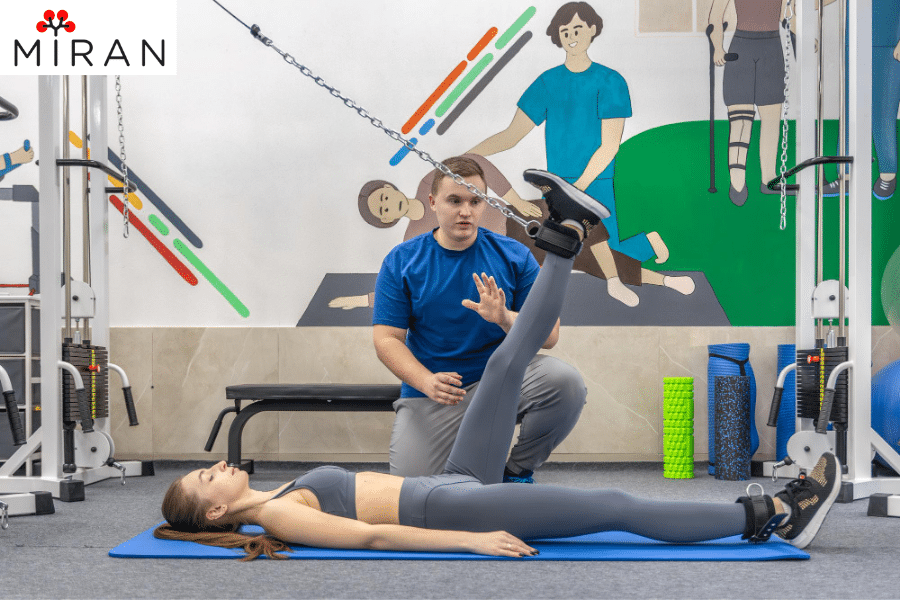
Designed specifically for neurological recovery, Neurophysiotherapy for Stroke helps retrain the brain and body to work together again. Through structured exercises, balance training, mobility practice, and functional rehabilitation, it supports stroke survivors in regaining strength, improving movement, and rebuilding confidence.
If you’re looking for an effective, evidence-based approach to recovery, Neurophysiotherapy for Stroke can be the turning point towards a more independent and fulfilling life.
The Role of Neurophysiotherapy in Stroke Recovery
After a stroke, the brain may have trouble communicating with different parts of the body. It can cause weakness, loss of coordination, poor balance, stiffness in muscles and difficulty in performing daily activities.
Neurophysiotherapy for stroke is to regain these lost functions by stimulating the brain to form new pathways through repetitive, purposeful movements. Each rehabilitation programme is tailored according to the patient’s condition, stage of recovery and functional objectives, making therapy more effective and meaningful.
Neurophysiotherapy is not only about treating the symptoms but also about treating the cause of the movement difficulties and encouraging long-term recovery.
Key Benefits of Neurophysiotherapy
The primary goal of Neurophysiotherapy for Stroke is to help individuals regain as much independence as possible. With regular therapy sessions, patients often experience gradual yet significant improvements in their physical abilities.
Some of the major benefits include:
- Improved walking ability
- Better balance and coordination
- Increased muscle strength
- Reduced muscle stiffness and spasticity
- Enhanced posture and body control
- Better hand and arm function
- Greater confidence during movement
- Improved ability to perform daily activities independently
These improvements enhance physical function and contribute to a better quality of life.
Challenges Stroke Survivors Commonly Face
Every stroke affects people differently, but certain movement-related challenges are quite common. These may include:
- Weakness on one side of the body
- Difficulty standing or walking
- Poor balance
- Reduced coordination
- Muscle tightness
- Limited hand movement
- Fatigue during simple activities
- Difficulty with daily tasks like dressing or climbing stairs
Neurophysiotherapy for Stroke is carefully designed to target these specific challenges through structured rehabilitation and guided movement training.
A Personalised Rehabilitation Journey
Every person’s recovery journey is unique, which is why no two rehabilitation programmes are the same.
At the beginning of Neurophysiotherapy for Stroke, a detailed assessment is carried out to understand muscle strength, balance, posture, coordination, walking ability, and functional limitations. Based on this evaluation, a customised rehabilitation plan is then developed.
Treatment may include:
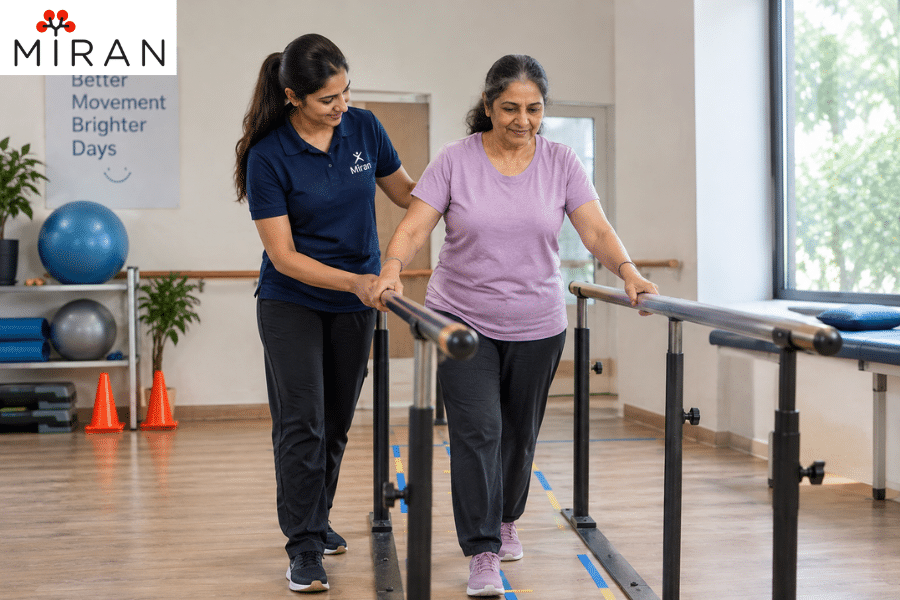
- Walking and gait training
- Balance improvement exercises
- Functional movement practice
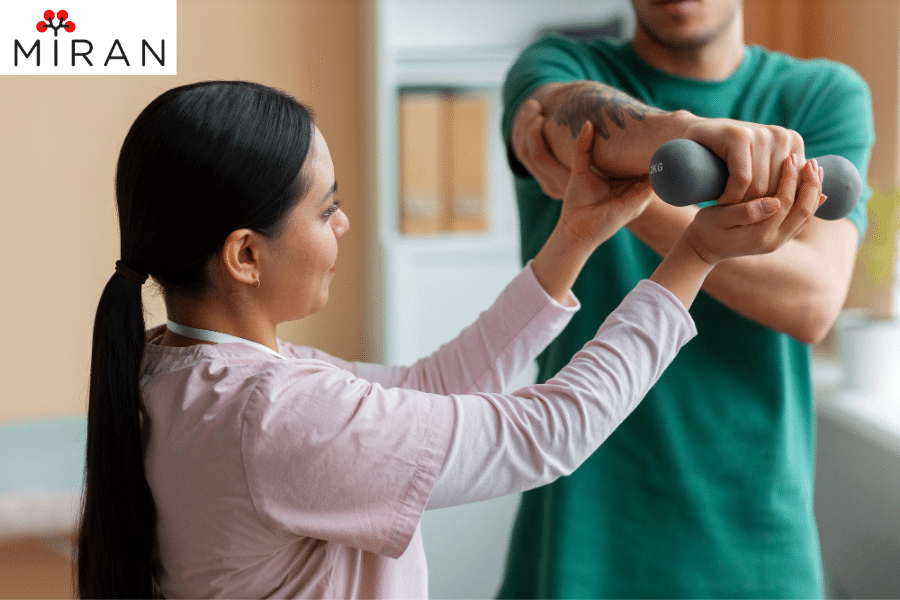
- Muscle strengthening
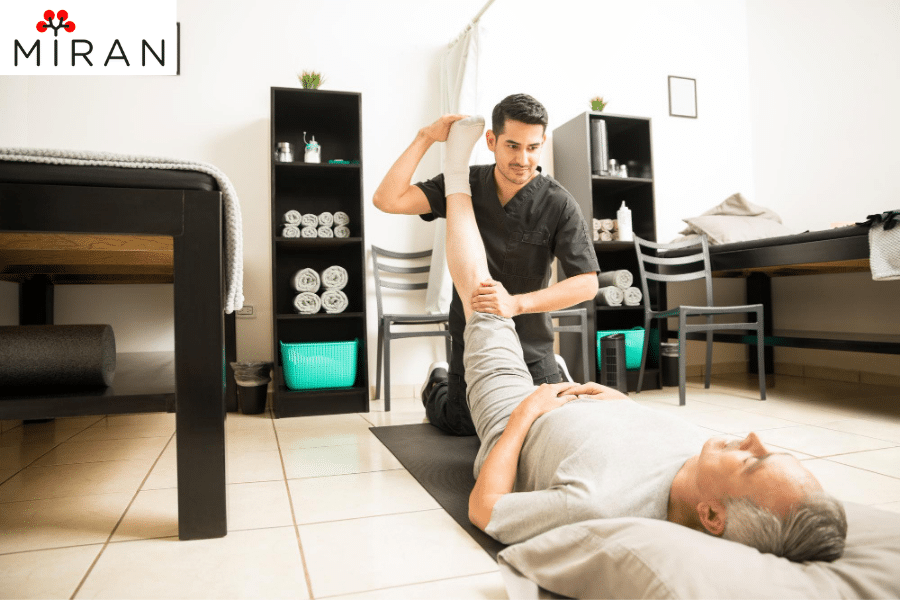
- Stretching exercises
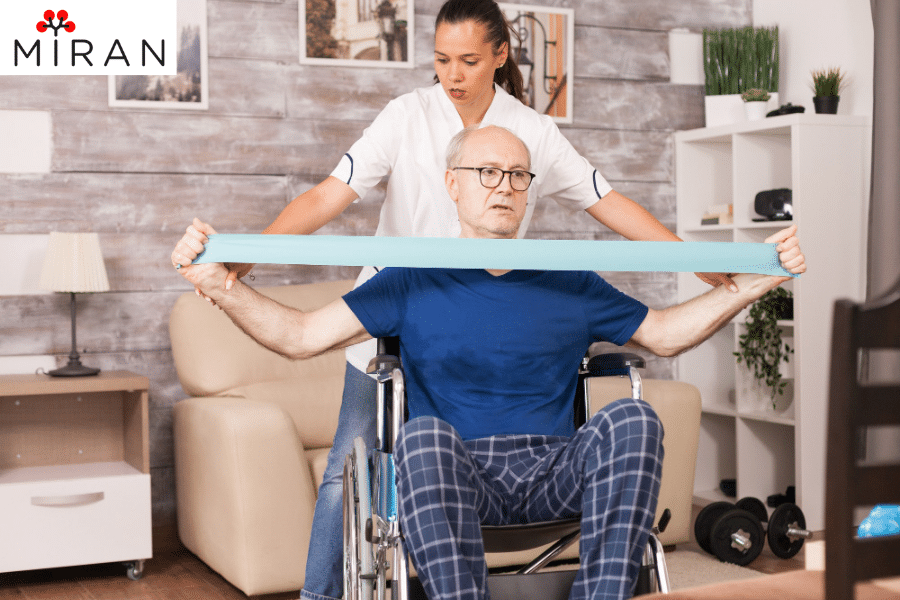
- Hand and upper limb rehabilitation
- Sit-to-stand training
- Everyday activity practice
As recovery progresses, the programme is modified to match the patient’s improving abilities and rehabilitation goals.
Small Improvements Create Big Victories
Stroke recovery is often measured through small milestones. Standing without support, taking a few independent steps, improving hand control, or climbing stairs again may seem like simple achievements, but for stroke survivors, they represent significant progress.
Neurophysiotherapy for Stroke focuses on celebrating these milestones while steadily building strength, mobility, and confidence. Every successful movement motivates patients to keep working towards greater independence.
Through consistent rehabilitation, patients can turn these small victories into lasting improvements in everyday life.
The Importance of Starting Early
The best chance for recovery is when rehabilitation starts as soon as medically possible. Engaging early with Neurophysiotherapy after a stroke can help to decrease muscle weakness, stop joints becoming stiff, improve mobility and support the brain’s own ability to change and reorganise itself.
However, it’s never too late to begin rehabilitation. Even people who have had a stroke months or years ago can continue to improve their movement, balance, and independence through a structured therapy programme.
Consistency, patience, and expert guidance remain the key ingredients for successful recovery.
Who Can Benefit?
Neurophysiotherapy for Stroke is recommended for individuals recovering from:
- Ischemic stroke
- Haemorrhagic stroke
- Recurrent strokes
- Mini stroke (TIA) with lasting movement problems
- Long-term physical limitations after stroke
Whether your recovery has just begun or you are looking to improve your existing mobility, neurophysiotherapy can help maximise your functional abilities at every stage.
Frequently Asked Questions
What is Neurophysiotherapy for Stroke?
Neurophysiotherapy for Stroke is a specialised rehabilitation approach that helps stroke survivors regain movement, balance, coordination, and strength. It uses personalised exercises and therapeutic techniques to improve brain-body communication and support functional recovery.
When should Neurophysiotherapy for Stroke begin?
Rehabilitation should begin as soon as it is medically safe after a stroke. Early intervention can improve mobility, reduce complications such as muscle stiffness, and support faster recovery. However, people can still benefit from neurophysiotherapy even months or years after a stroke.
Is Neurophysiotherapy suitable for all stroke survivors?
Yes, Neurophysiotherapy for Stroke is suitable for most stroke survivors, including those recovering from ischemic or haemorrhagic strokes. After a thorough assessment, a physiotherapist creates a customised treatment plan based on the individual's condition, abilities, and recovery goals.
Recovery
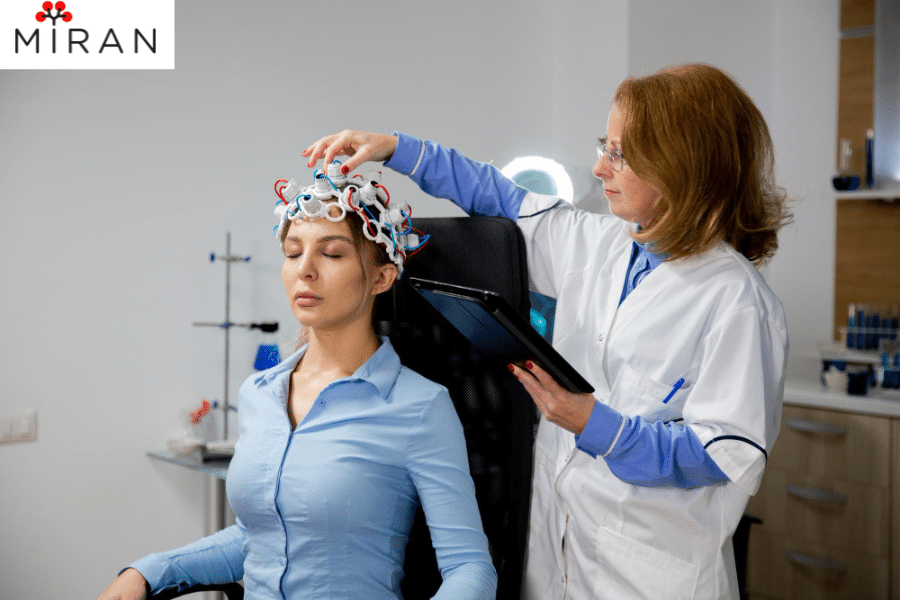
Recovering from a stroke is a journey that requires determination, expert support, and the right rehabilitation approach. Neurophysiotherapy for Stroke empowers individuals to rebuild strength, improve movement, and regain confidence through personalised, goal-orientated therapy. Every session brings new opportunities to achieve greater independence and improve overall quality of life.
Miran Neuro Physiotherapy and Rehab, Santacruz offers personalised Neurophysiotherapy for stroke programmes that are tailored to the individual’s condition and recovery goals by experienced physiotherapists. Miran supports stroke survivors in taking confident steps to recovery, independence and a healthier future through compassionate care, cutting-edge rehabilitation techniques and ongoing support.
Image Reference: Magnific
Disclaimer: All trademarks, logos, and brand names are the property of their respective owners. All company, product, and service names used on this website are for identification purposes only. Use of these names, trademarks, and brands does not imply endorsement.