Neuromuscular Rehabilitation | Improve Strength | Miran
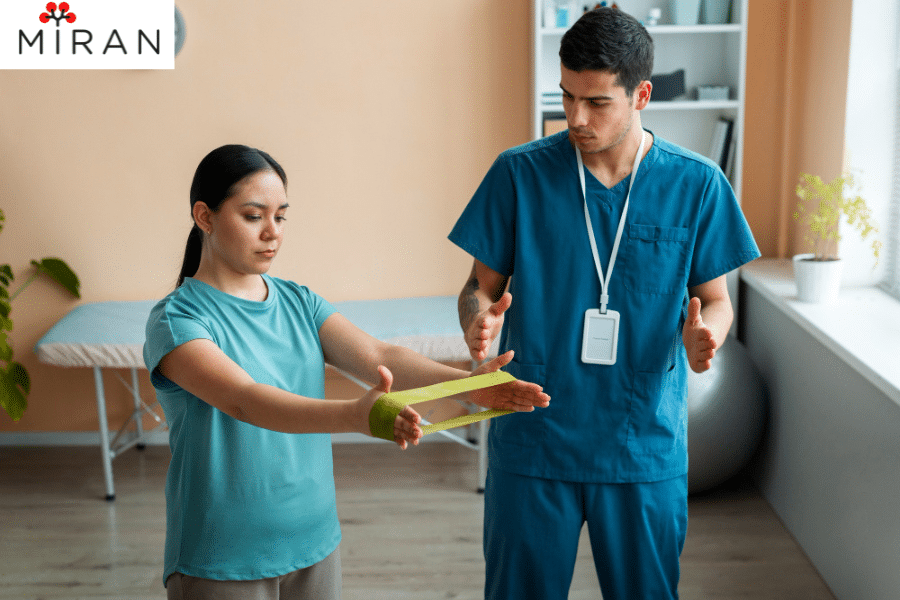
Our nervous system and muscles work together to enable us to perform every movement, from walking and climbing stairs to writing and maintaining our balance. When neurological disorders, injuries or surgery impact this connection, it can make everyday activities difficult. Neuromuscular rehabilitation is a specific type of therapy that aims to restore movement and improve muscle function, helping people regain their independence through structured rehabilitation programmes.
Whether a person is recovering from a stroke, spinal cord injury, Parkinson’s disease, multiple sclerosis, or nerve damage, neuromuscular rehabilitation focuses on retraining the body and brain to work together more effectively. At Miran, experienced rehabilitation specialists create personalised treatment plans that address each individual’s unique condition, helping them achieve the best possible recovery.
What is Neuromuscular Rehabilitation?
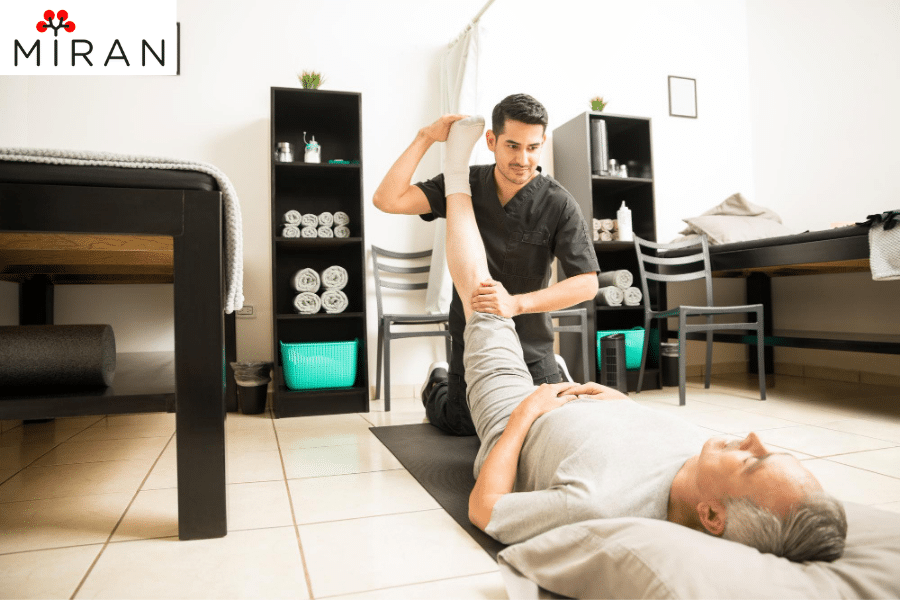
Neuromuscular rehabilitation is a holistic therapy programme that enhances communication between the nervous system and the muscles. It incorporates physiotherapy, balance training, strength training, coordination techniques and functional movement training to regain physical function and enhance quality of life.
Every treatment plan begins with a detailed assessment to understand the patient’s condition, movement limitations, muscle strength, balance, coordination, and rehabilitation goals.
Who Can Benefit from Neuromuscular Rehabilitation?
Many neurological and muscular conditions can affect mobility and independence. Neuromuscular rehabilitation is beneficial for individuals who are experiencing:
- Stroke recovery
- Parkinson’s disease
- Multiple sclerosis
- Spinal cord injuries
- Peripheral nerve injuries
- Neuromuscular disorders
- Brain injuries
- Muscle weakness
- Balance disorders
- Difficulty walking or performing daily activities
The rehabilitation programme is tailored according to the severity of the condition and the patient’s functional needs.
Benefits of Neuromuscular Rehabilitation
The great advantage of neuromuscular rehabilitation is that it works on the recovery of the nervous system and the function of the muscles at the same time. Regular therapy can lead to gradual improvements in patients that build their confidence and independence.
Some key benefits include:
- Improved muscle strength
- Better balance and coordination
- Enhanced walking ability
- Increased flexibility
- Reduced muscle stiffness
- Better posture and body control
- Improved endurance
- Greater independence in daily activities
- Lower risk of falls
- Enhanced overall quality of life
Early intervention and consistent rehabilitation often contribute to better long-term outcomes.
Key Components of Neuromuscular Rehabilitation
A successful neuromuscular rehabilitation programme combines several evidence-based therapies that work together to improve physical function.
Comprehensive Assessment – The rehabilitation journey begins with a thorough evaluation that includes:
- Muscle strength testing
- Balance assessment
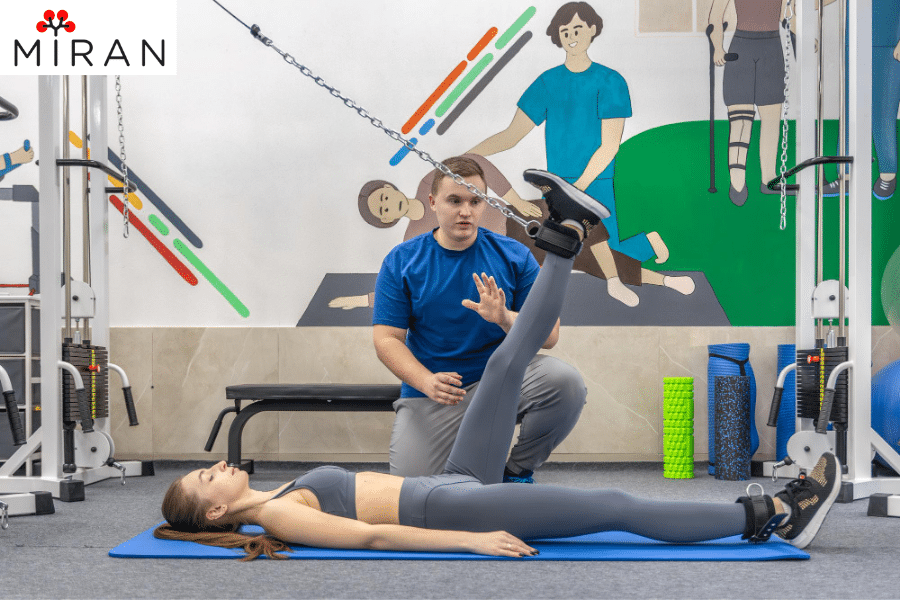
- Gait analysis
- Coordination evaluation
- Functional mobility assessment
- Neurological examination
- Range of motion testing
This assessment helps therapists develop a personalised treatment plan that is tailored to the individual’s needs.
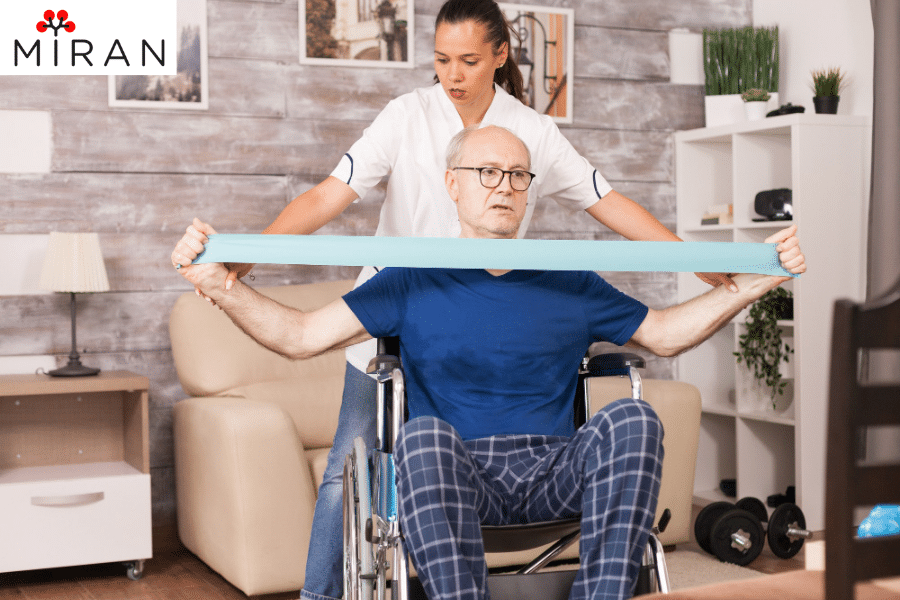
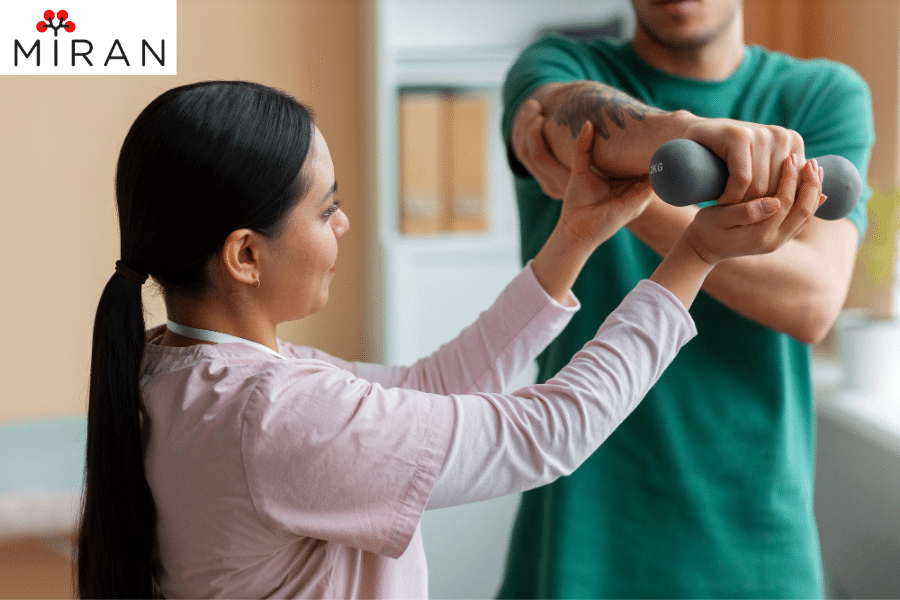
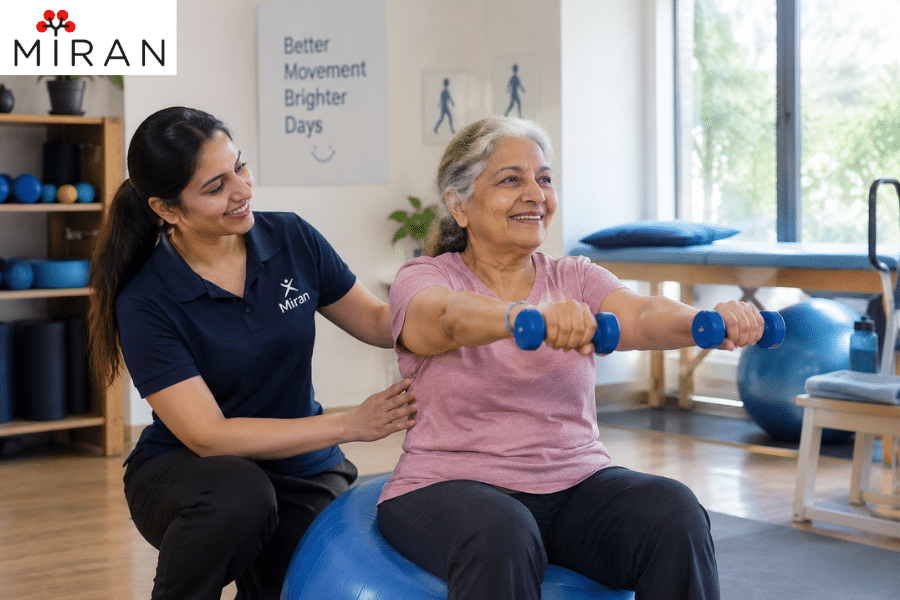
Strength Training – Weak muscles are strengthened using progressive resistance exercises that improve stability, endurance, and functional movement. Strength training also supports joint protection and improves overall mobility.
Balance and Coordination Training – Many neurological conditions affect balance and coordination. Specialised exercises help patients improve stability, reduce fall risks, and gain confidence while walking and performing daily tasks.
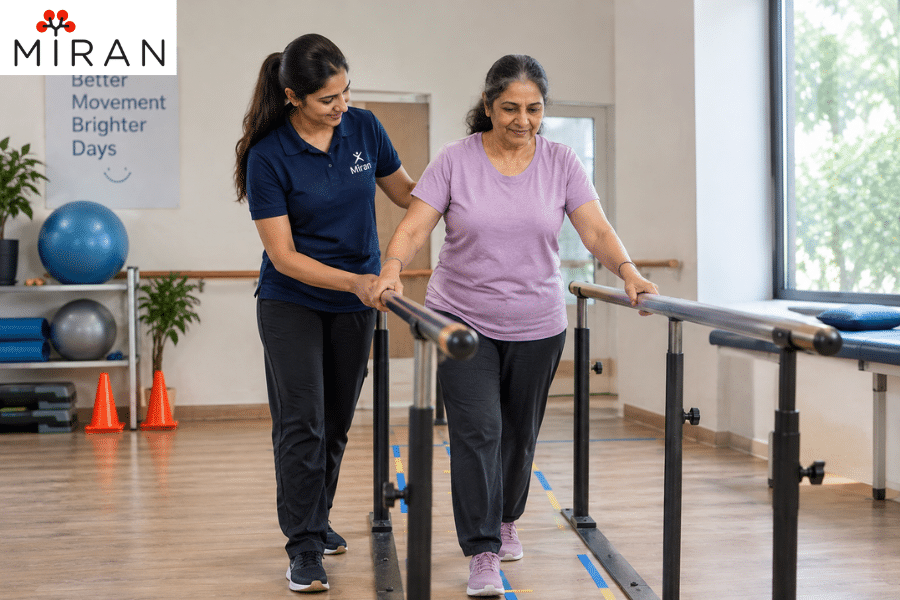
Gait Training – Walking difficulties are common among patients with neurological disorders. Gait training focuses on improving walking patterns, posture, step length, and overall mobility using guided exercises and assistive devices when required.
Functional Movement Training – Therapists incorporate activities that mimic everyday movements such as standing, sitting, reaching, climbing stairs, and transferring between positions. These exercises help patients regain independence in their daily lives.
The Importance of Personalized Rehabilitation
No two neurological conditions are identical, which is why neuromuscular rehabilitation requires individualised care. Treatment plans are regularly adjusted based on progress, ensuring that patients continue to improve without unnecessary strain.
Therapists closely monitor recovery through regular assessments, making modifications to exercises as muscle strength, balance, and coordination improve. This personalised approach maximises recovery and ensures patient safety.
Neuromuscular Rehabilitation and Long-Term Recovery
Recovery from neurological conditions often requires patience and consistency. Neuromuscular rehabilitation is not only focused on immediate improvements but also on helping patients maintain long-term physical function.
Regular therapy sessions encourage the brain and nervous system to develop new movement patterns through repeated practice. This process, known as neuroplasticity, plays a crucial role in restoring movement and improving overall function over time.
By combining structured rehabilitation with home exercise programmes and ongoing professional support, patients can continue to make progress even after completing intensive therapy.
Why Choose Professional Neuromuscular Rehabilitation?
Neurological conditions require specialised knowledge and careful supervision. Attempting exercises without professional guidance may lead to improper movement patterns or increase the risk of injury.
Qualified rehabilitation specialists understand how different neurological conditions affect movement and can safely guide patients through each stage of recovery. Their expertise ensures that exercises are effective, goal-orientated, and adapted to changing abilities.
Frequently Asked Questions
What is neuromuscular rehabilitation?
Neuromuscular rehabilitation is a specialised therapy programme that helps restore movement, muscle strength, balance, and coordination by improving communication between the brain, nerves, and muscles. It is commonly used for people recovering from neurological conditions or injuries.
Who can benefit from neuromuscular rehabilitation?
Neuromuscular rehabilitation is beneficial for individuals recovering from stroke, spinal cord injuries, Parkinson’s disease, multiple sclerosis, peripheral nerve injuries, brain injuries, muscle weakness, and other conditions that affect movement and mobility.
Can neuromuscular rehabilitation improve walking and balance?
Yes. Neuromuscular rehabilitation focuses on improving muscle control, coordination, posture, and balance, which can help patients walk more safely, reduce the risk of falls, and perform daily activities with greater confidence.
Healthy Tips
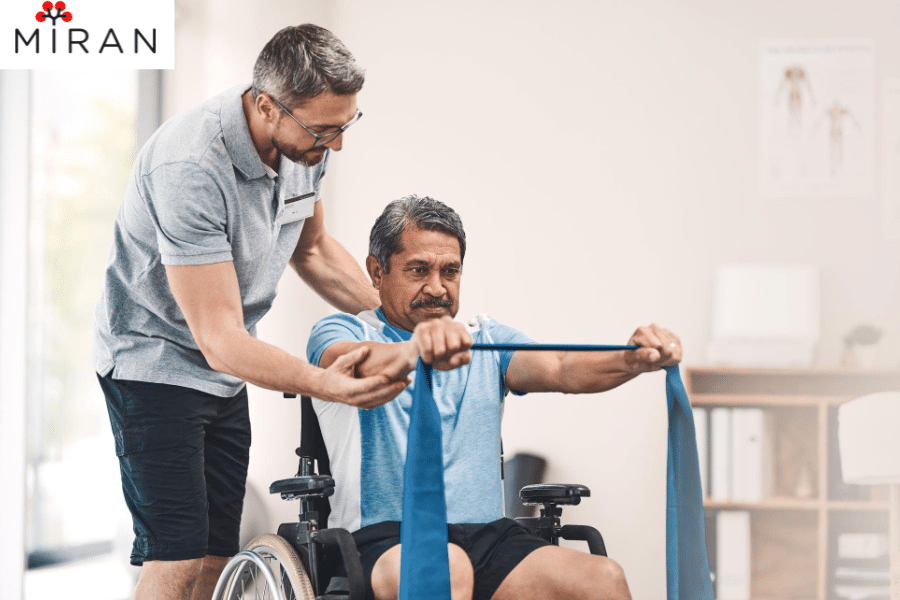
Choosing neuromuscular rehabilitation can make a significant difference in restoring movement, improving strength, and enhancing independence. With personalised rehabilitation programmes, expert guidance, and consistent therapy, individuals can overcome physical limitations and regain their confidence in daily life. At Miran – Aquatherapy & Rehabilitation Centre, every rehabilitation programme is designed to support safe recovery, improve functional abilities, and help patients achieve their highest level of independence through compassionate and evidence-based care.
Image Reference: Magnific
Disclaimer: All trademarks, logos, and brand names are the property of their respective owners. All company, product, and service names used on this website are for identification purposes only. Use of these names, trademarks, and brands does not imply endorsement.