
Hand Function Recovery | Restore Strength and Independence | Miran
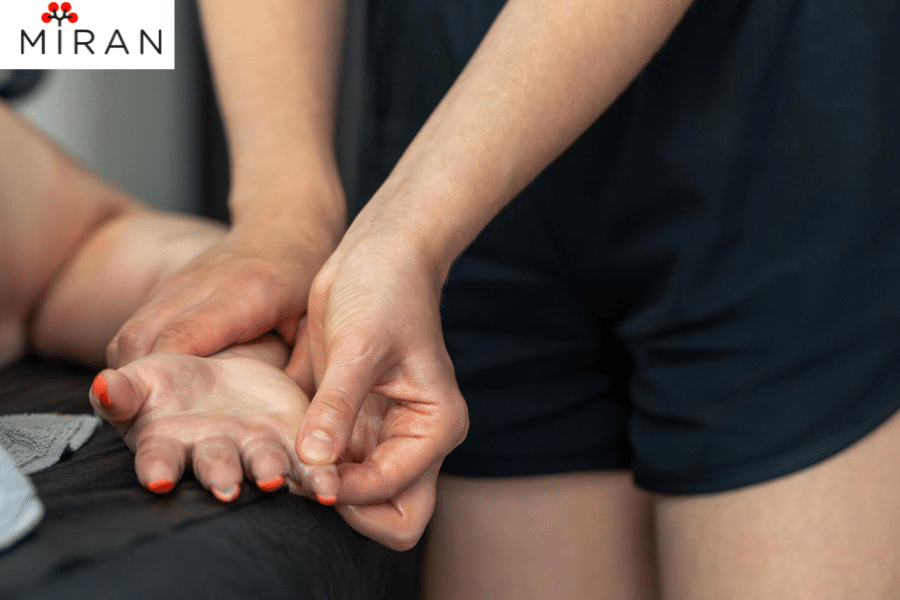
Our hands are involved in just about everything we do during the day. It’s critical to live independently, whether it’s buttoning a shirt, holding a spoon, writing, typing or lifting objects. Injury, surgery, stroke or neurological conditions affecting the hands can make even simple tasks difficult. That is why hand function recovery is so important, helping people regain their strength, coordination and confidence.
Hand function recovery is a specialised rehabilitation process that aims to restore the movement, strength, and dexterity of the hands and fingers. Whether the condition is caused by trauma, nerve damage, arthritis, or neurological disorders, a structured recovery programme can significantly improve hand performance and overall quality of life.
Why Hand Function Is So Important
The human hand is one of the most complex structures of the body. It has many bones, joints, muscles, tendons, and nerves that work together to produce accurate movements. A small injury can affect the ability to perform daily activities.
Reduced hand function may lead to:
- Difficulty holding objects
- Weak grip strength
- Limited finger movement
- Pain and stiffness
- Trouble performing personal care activities
- Reduced independence in daily life
This situation is why early hand function recovery is important to prevent long-term complications and restore normal movement.
Conditions That Require Hand Function Recovery
Many health conditions can affect hand movement and function. Some of the most common include the following:
- Stroke – After a stroke, many individuals experience weakness or paralysis in one hand, making rehabilitation necessary.
- Nerve Injuries – Damage to the nerves in the hand or arm can reduce both sensation and movement.
- Fractures and Trauma – Broken bones, tendon injuries, and ligament damage often require therapy to regain mobility.
- Arthritis – Joint inflammation can lead to stiffness and decreased hand strength.
- Post-Surgical Recovery – Surgeries involving the hand, wrist, or arm frequently need rehabilitation to restore movement.
- Neurological Disorders – Conditions such as Parkinson’s disease, multiple sclerosis, and cerebral palsy can impact hand coordination and dexterity.
In all these situations, hand function recovery helps patients improve their ability to perform everyday activities.
Goals of Hand Function Recovery
Every rehabilitation plan is personalised according to the individual’s condition and needs. The primary goals include:
- Improving hand strength
- Increasing range of motion
- Restoring finger coordination
- Enhancing grip and pinch strength
- Reducing stiffness and pain
- Improving fine motor skills
- Promoting independence in daily activities
A well-designed programme for recovering hand function focuses on both physical improvement and functional independence.
Techniques Used in Hand Function Recovery
- Therapeutic Exercises – Specific exercises help improve the flexibility, strength, and coordination of the hand and fingers.
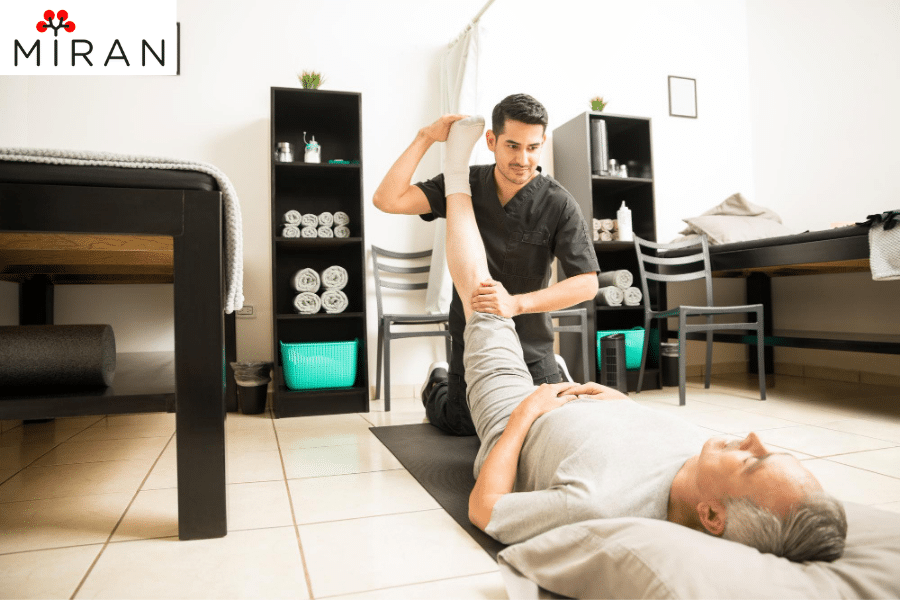
- Range of Motion Training – Gentle movements help prevent stiffness and maintain joint mobility.
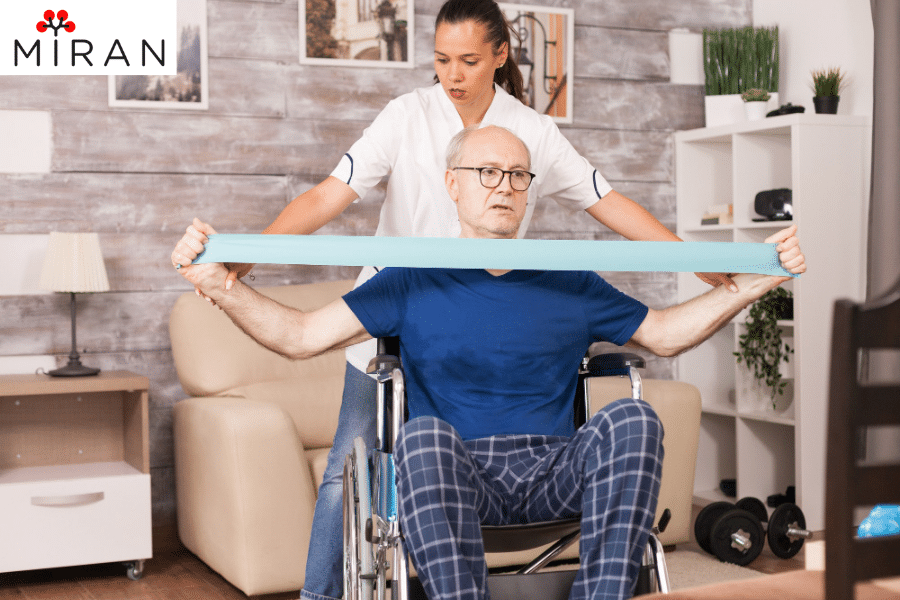
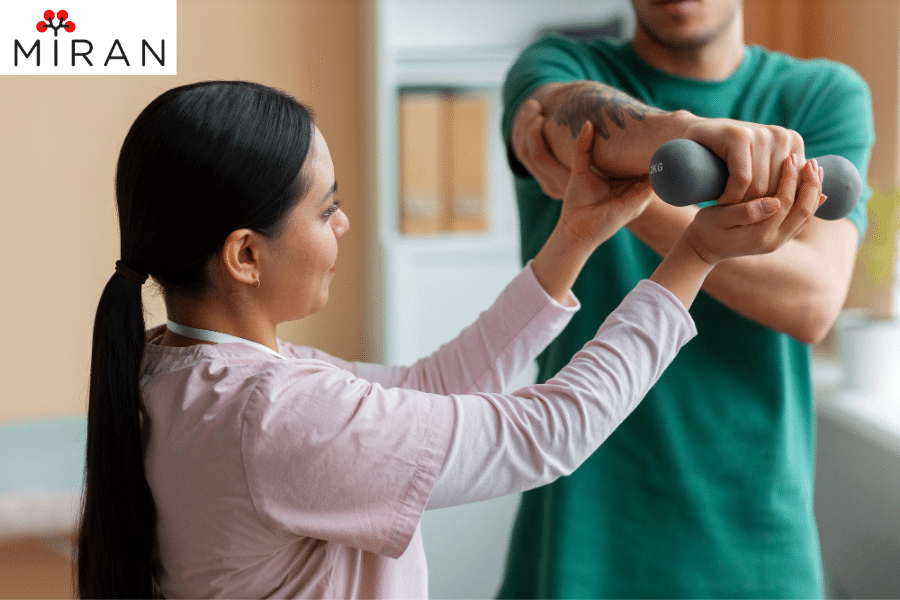
- Strengthening Exercises – Resistance-based exercises improve muscle strength and grip power.
- Fine Motor Skill Training – Activities such as picking up small objects, writing, and buttoning clothes improve hand control.
- Sensory Re-Education – This technique helps restore sensation in patients experiencing numbness or altered sensations.
- Functional Training – Patients practise daily activities that improve their ability to perform routine tasks independently.
These approaches make hand function recovery highly effective for people of different age groups and medical conditions.
Benefits of Hand Function Recovery
The benefits of proper rehabilitation extend beyond physical recovery.
- Improved Independence – Patients can return to everyday activities such as eating, dressing, and personal grooming.
- Better Coordination – Enhanced hand control makes routine tasks easier and more efficient.
- Reduced Pain and Stiffness – Regular exercise improves flexibility and reduces discomfort.
- Increased Strength – Strengthening programmes help restore grip and hand endurance.
- Enhanced Quality of Life – Improved hand function allows individuals to participate in work, hobbies, and social activities with confidence.
Consistent hand function recovery not only improves movement but also helps patients regain emotional well-being and self-confidence.
The Importance of Early Rehabilitation
Delaying treatment may lead to muscle weakness, joint stiffness, and reduced functional abilities. Early intervention helps stimulate recovery and prevents complications.
A rehabilitation specialist carefully evaluates the patient’s condition and designs a personalised treatment programme based on the severity of the problem and the individual’s goals.
Recovery timelines vary depending on the cause and extent of the condition. Some individuals may notice improvement within weeks, while others may require several months of therapy. Patience and regular participation in therapy sessions are essential for achieving the best results.
Staying Motivated During Recovery
Recovering hand function can sometimes be a gradual process. Setting realistic goals and celebrating small improvements can keep patients motivated. Family support and professional guidance also play an important role in successful rehabilitation.
Consistency is one of the most important factors in hand function recovery. Following exercise routines and attending therapy sessions regularly can significantly improve long-term outcomes.
Frequently Asked Questions
What is hand function recovery?
Hand function recovery is a rehabilitation process that helps restore hand strength, movement, coordination, grip and fine motor skills after injury, surgery, stroke or neurological conditions.
Who can benefit from hand function recovery?
People experiencing hand weakness, stiffness, reduced coordination, nerve damage, limited movement or difficulty performing everyday activities may benefit from hand function recovery.
Can hand function recovery improve daily independence?
Yes. A personalised rehabilitation programme can help improve grip, coordination and hand control, making activities such as dressing, eating, writing and handling objects easier.
Healthy Tips
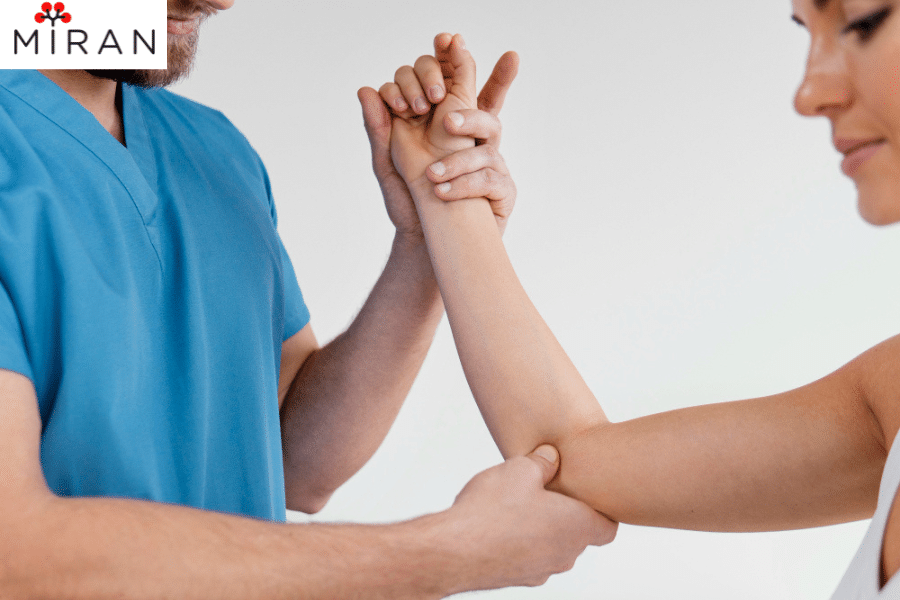
Regaining the ability to use your hands effectively can make a tremendous difference in everyday life. Through proper hand function recovery, individuals can improve strength. coordination and independence as they return to the activities they enjoy. With personalised rehabilitation programmes and expert guidance, recovery becomes more achievable and rewarding. At Miran Neuro Physiotherapy and Rehab, Santacruz, we are committed to helping patients restore hand function and improve their overall quality of life through comprehensive rehabilitation care.
Image Reference: Magnific
Disclaimer: All trademarks, logos, and brand names are the property of their respective owners. All company, product, and service names used on this website are for identification purposes only. Use of these names, trademarks, and brands does not imply endorsement.