
Back Pain | Better Mobility and Lasting Relief | Miran
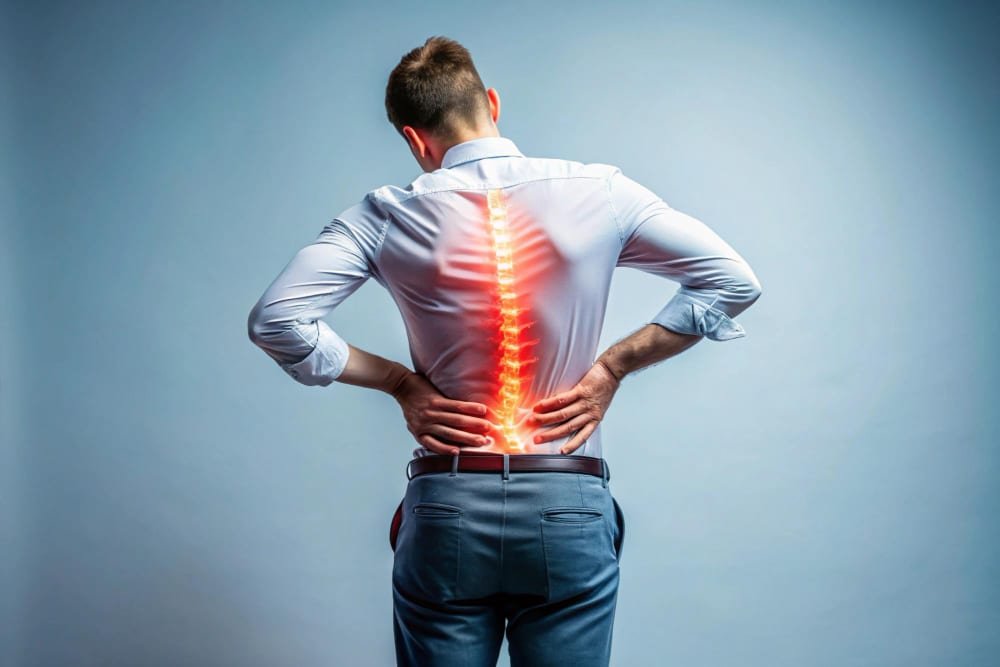
Most people consider spinal discomfort to be something that appears suddenly after lifting a heavy object or sleeping in the wrong position. In reality, the problem often develops gradually over months or even years. Small habits that seem harmless, such as prolonged sitting, poor posture, lack of movement, stress, or improper lifting techniques, can silently place excessive strain on the spine and surrounding muscles.
Today, spinal discomfort has become one of the most common health concerns worldwide, affecting people of all ages. From students and office workers to athletes and senior citizens, nearly everyone experiences some form of discomfort during their lifetime. Understanding the factors that contribute to Back Pain is the first step toward preventing long-term complications and maintaining an active, healthy lifestyle.
Why Modern Life Is Challenging for the Spine
The human body is designed to move. However, modern routines often involve extended periods of sitting, screen use, and limited physical activity. These habits can weaken supporting muscles and create imbalances that affect spinal health.
Several everyday factors can contribute to discomfort, including:
- Sitting for long hours without proper support
- Poor workstation ergonomics
- Lack of regular exercise
- Weak core muscles
- Repetitive bending or lifting
- Stress-related muscle tension
- Obesity and excess body weight
- Age-related degeneration of spinal structures
While these factors may seem minor individually, their cumulative effect can significantly impact spinal function over time.
Understanding the Body’s Warning Signals
Pain is often the body’s way of signalling that something needs attention. Ignoring recurring discomfort may allow underlying issues to progress further.
Common symptoms include:
- Stiffness after waking up
- Difficulty bending or twisting
- Muscle tightness
- Reduced flexibility
- Pain that radiates into the legs
- Difficulty standing or sitting for extended periods
- Fatigue caused by poor posture
Recognizing these early signs can help individuals seek appropriate intervention before the condition worsens.
The Connection Between Core Strength and Spinal Health
One of the most overlooked aspects of spinal wellness is core stability. The muscles surrounding the abdomen, pelvis, and lower back act as a natural support system for the spine.
When these muscles weaken, they place greater stress on spinal structures, increasing the likelihood of injury and discomfort. Strengthening the core not only improves posture but also enhances balance, movement efficiency, and overall physical performance.
This is why many rehabilitation and physiotherapy programs place significant emphasis on core conditioning as part of a comprehensive recovery strategy.
Movement Is Often the Best Medicine
Many people assume that rest is the best solution when discomfort arises. While short periods of rest may be necessary in certain situations, prolonged inactivity can often make symptoms worse.
Appropriate movement helps:
- Improve blood circulation
- Reduce stiffness
- Enhance joint mobility
- Strengthen supporting muscles
- Promote tissue healing
- Improve flexibility
Walking, stretching, strengthening exercises, and guided physiotherapy can play an important role in supporting recovery and preventing future problems.
How Stress Affects Physical Health
Structural issues do not always cause physical discomfort. Emotional stress can contribute significantly to muscle tension, particularly in the neck, shoulders, and lower back.
When the body remains in a prolonged state of tension, muscles become tight and fatigued, often leading to discomfort and restricted movement. Managing stress through relaxation techniques, breathing exercises, mindfulness, and regular physical activity can positively influence both physical and mental well-being.
The Importance of Early Intervention
One of the most significant mistakes people make is waiting until symptoms become severe before seeking help. Early intervention allows healthcare professionals to identify movement dysfunctions, muscle imbalances, and postural issues before they develop into chronic conditions.
Addressing concerns early can lead to:
- Faster recovery
- Reduced risk of recurring symptoms
- Improved mobility
- Better long-term spinal health
- Greater confidence in daily activities
Prevention and proactive care are often far more effective than waiting for a condition to worsen.
Building Habits for a Healthier Spine
Protecting spinal health does not require dramatic lifestyle changes. Small adjustments can make a meaningful difference:
- Maintain good posture while sitting and standing
- Take regular movement breaks during work
- Strengthen core muscles consistently
- Use proper lifting techniques
- Stay physically active
- Maintain a healthy weight
- Prioritize flexibility and mobility exercises
These simple habits help reduce strain on the spine and support long-term physical well-being.
Frequently Asked Questions
Can poor posture really cause chronic back pain?
Yes. Poor posture places excessive stress on the spine, muscles, and ligaments over time. Prolonged slouching while sitting, standing, or using digital devices can contribute to muscle imbalances, stiffness, and persistent back pain.
Why does back pain keep returning even after it improves?
Recurring back pain is often linked to underlying issues such as weak core muscles, poor movement habits, inadequate physical activity, or untreated postural problems. Addressing the root cause is essential for long-term relief.
Is complete bed rest recommended for back pain recovery?
In most cases, prolonged bed rest is not recommended. Gentle movement, stretching, and guided physiotherapy can help improve circulation, reduce stiffness, strengthen muscles, and support a faster recovery.
Wellness Tips

At Miran Neuro Physiotherapy and Rehab, Santacruz, we understand that Back Pain is rarely just about discomfort; it often affects confidence, independence, productivity, and overall quality of life. Our approach focuses on identifying the root cause rather than simply treating symptoms.
Through detailed assessments, evidence-based physiotherapy, posture correction strategies, movement retraining, strengthening programmes, and personalised rehabilitation plans, we help patients achieve meaningful and lasting improvements. Whether your condition is related to lifestyle habits, injury, spinal disorders, or neurological challenges, our team is committed to providing individualised care that supports recovery and long-term wellness.
At Miran Neuro Physiotherapy and Rehab, we believe that every individual deserves the opportunity to move freely and live comfortably. With expert guidance, targeted therapy, and a patient-centred approach, we help people overcome limitations, regain confidence, and build healthier movement patterns for the future.
Image Reference: Magnific
Disclaimer: All trademarks, logos, and brand names are the property of their respective owners. All company, product, and service names used in this website are for identification purposes only. Use of these names, trademarks, and brands does not imply endorsement.