
Spine Rehabilitation | Improved Mobility & Pain Relief | Miran
Your spine does much more than keep you upright. It supports every movement you make, protects the spinal cord, and plays a vital role in balance, flexibility, and overall physical function. When spinal health is affected by injury, surgery, poor posture, age-related changes, or neurological conditions, even simple activities such as walking, sitting, bending, or standing can become challenging.
Many people believe that back or neck pain is something they simply have to live with. However, the right rehabilitation approach can help improve movement, reduce discomfort, and restore confidence in everyday life. This is where Spine Rehabilitation plays an important role in recovery and long-term wellness.
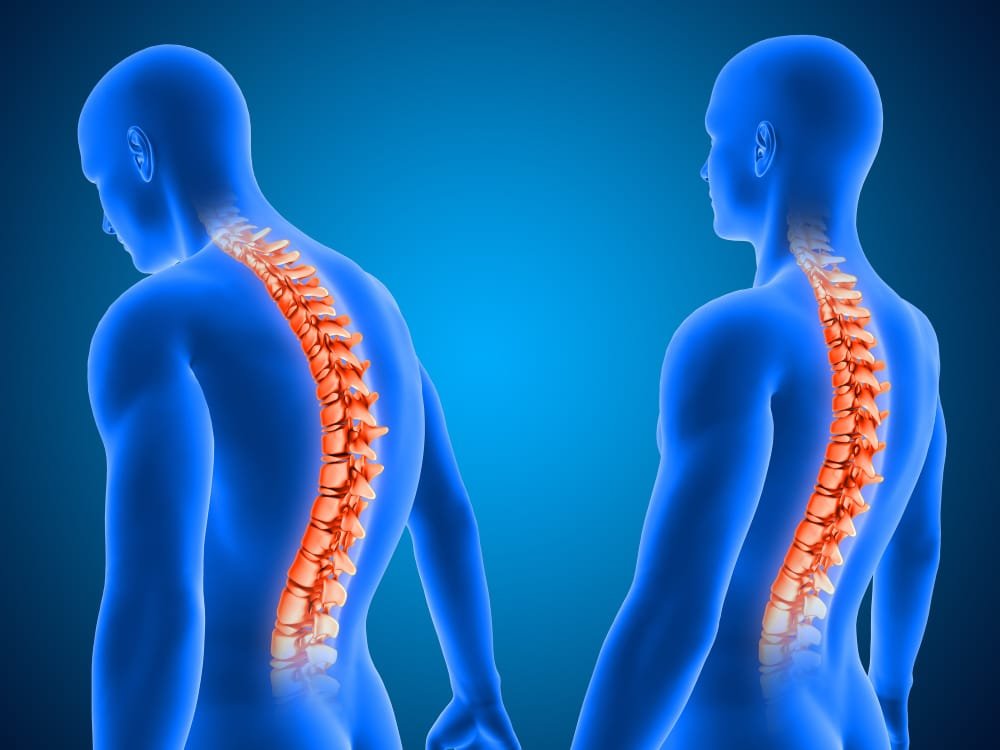
Why Spinal Health Deserves More Attention
Modern lifestyles often place significant stress on the spine. Long hours of sitting, reduced physical activity, poor ergonomics, repetitive movements, and increasing screen time have contributed to a growing number of spinal issues across all age groups.
Some of the most common conditions affecting spinal health include:
- Chronic neck and back pain
- Herniated or slipped discs
- Sciatica
- Degenerative disc disease
- Spinal stenosis
- Scoliosis
- Postural imbalances
- Spinal cord injuries
- Recovery after spinal surgery
- Neurological conditions affecting movement
When left untreated, these conditions can gradually affect mobility, muscle strength, coordination, and overall quality of life.
Understanding the Role of Rehabilitation
Spine Rehabilitation is a structured and evidence-based approach that focuses on improving spinal function, reducing pain, enhancing mobility, and preventing future complications. Rather than simply treating symptoms, rehabilitation addresses the underlying causes that contribute to movement restrictions and discomfort.
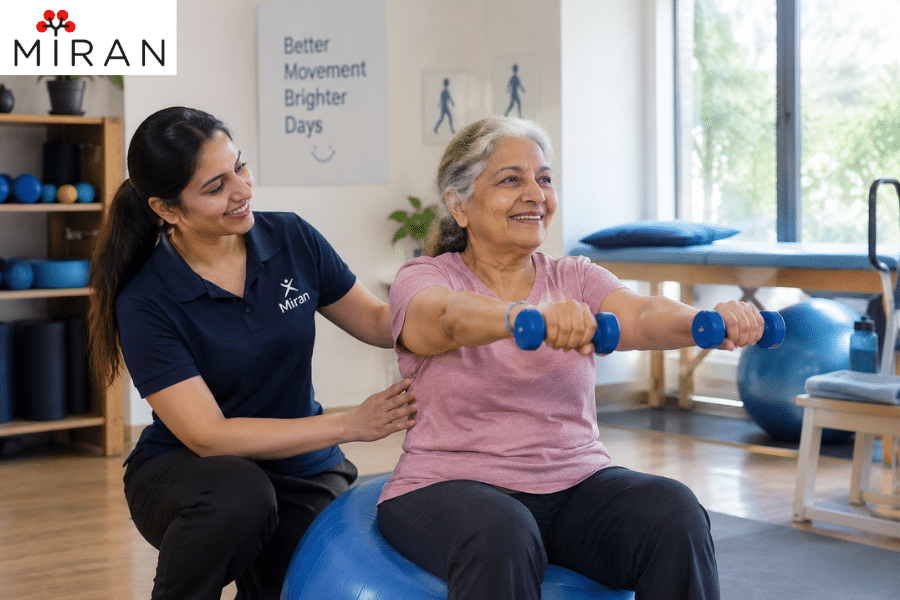
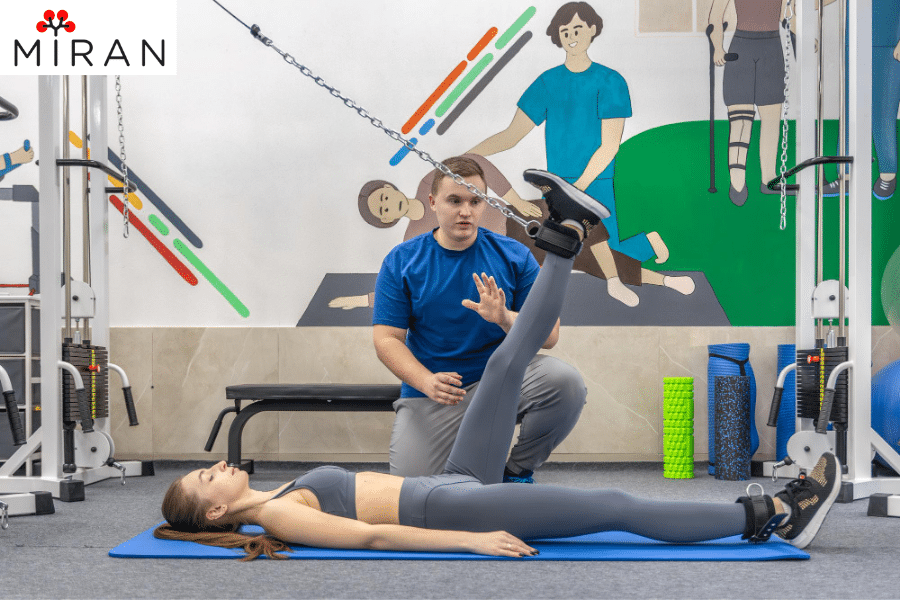
The process is designed to help individuals regain control over their bodies through targeted exercises, posture correction, strength training, and functional movement retraining.
Every rehabilitation journey is unique because every spine and every patient is different. Treatment plans are carefully tailored to individual needs, recovery goals, and physical capabilities.
Benefits Beyond Pain Relief
One of the most significant misconceptions about rehabilitation is that it only helps reduce pain. In reality, its benefits extend far beyond symptom management.
Improved Mobility – Restricted movement is one of the most frustrating consequences of spinal problems. Rehabilitation helps restore flexibility and range of motion, making everyday activities easier and more comfortable.
Better Posture – Poor posture places unnecessary stress on the spine and surrounding muscles. Corrective exercises and movement training encourage healthier alignment and reduce strain on the body.
Enhanced Core Stability – The muscles surrounding the abdomen, pelvis, and lower back provide crucial support to the spine. Strengthening these areas improves stability and reduces the risk of recurring problems.
Greater Balance and Coordination – Spinal conditions and neurological disorders can affect balance, increasing the likelihood of falls. Specific exercises help improve body awareness and movement control.
Reduced Risk of Future Injury – By identifying faulty movement patterns and strengthening weak areas, rehabilitation helps protect the spine from further stress and injury.
Who Can Benefit?
A well-designed rehabilitation programme can support recovery and improve the quality of life for:
- Individuals experiencing chronic back or neck pain
- Patients recovering from spinal surgery
- People with spinal cord injuries
- Office workers with posture-related discomfort
- Athletes recovering from sports injuries
- Older adults experiencing mobility challenges
- Individuals living with neurological conditions
Because no two cases are identical, professional assessment is essential for developing the most effective treatment strategy.
Key Components of a Successful Recovery Program
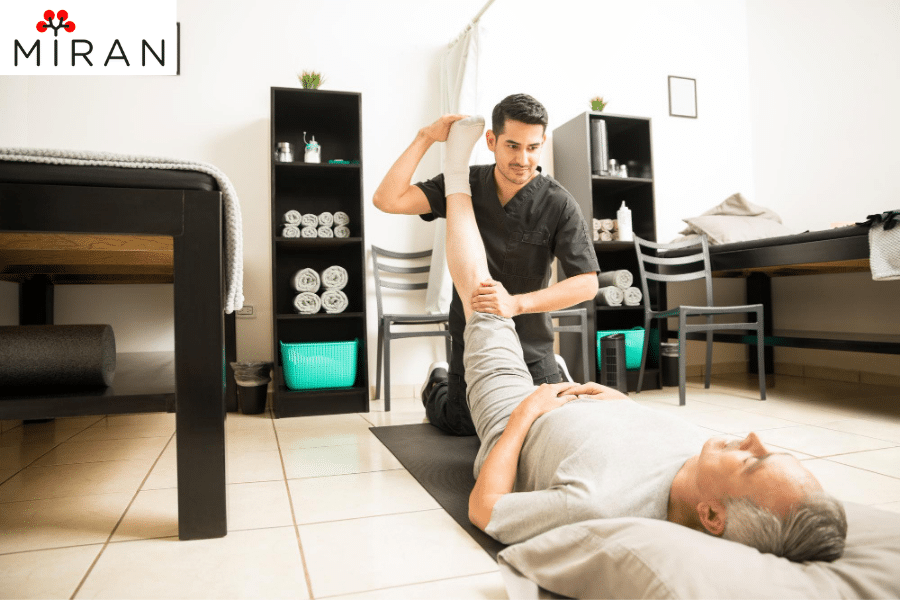
Mobility Training – Gentle stretching and movement exercises help improve flexibility while reducing stiffness in affected areas.
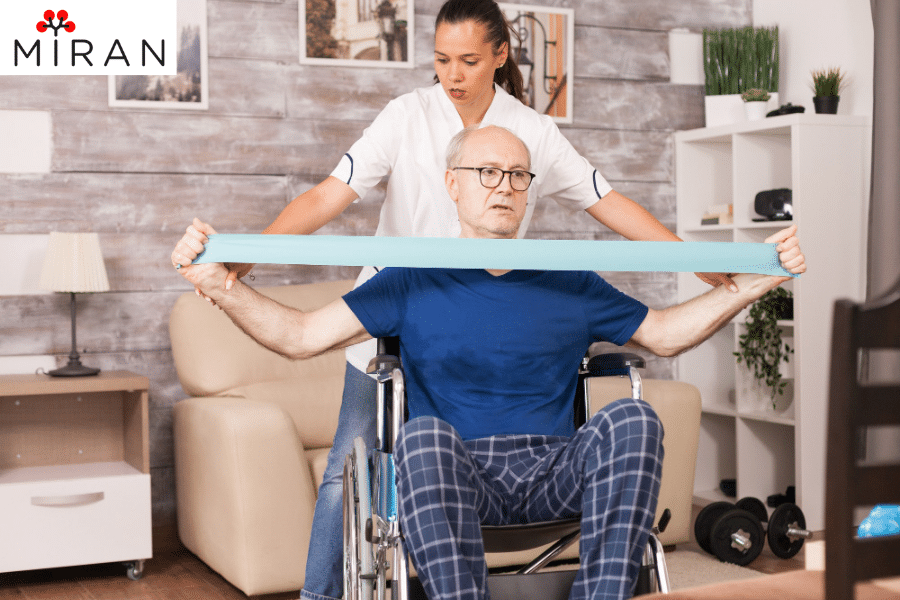
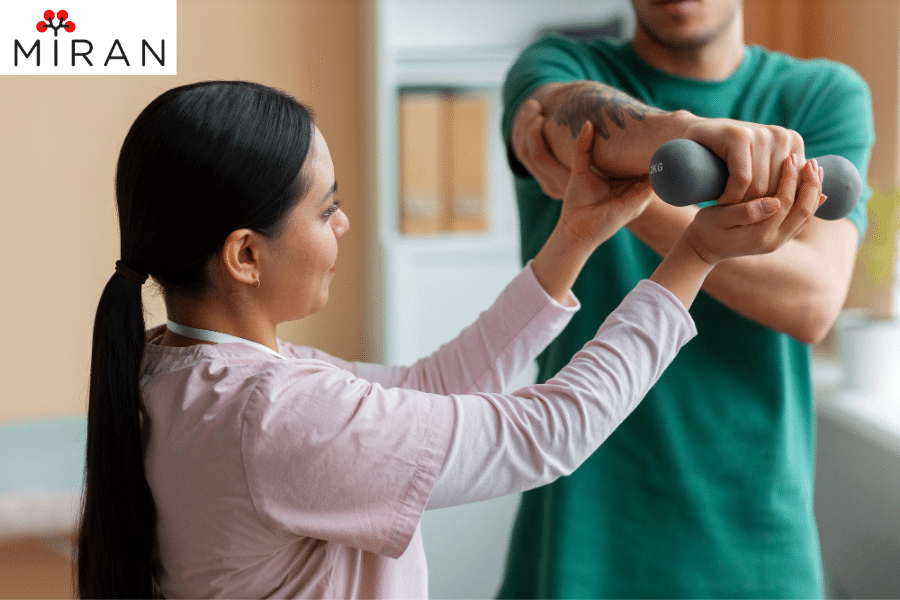
Strength Development – Targeted strengthening exercises improve muscle support around the spine and promote better stability during daily activities.
Functional Movement Training – Patients learn safer and more efficient ways to perform routine tasks such as lifting, bending, reaching, walking, and sitting.
Postural Re-Education – Therapists help individuals understand how posture affects spinal health and teach practical techniques for maintaining proper alignment.
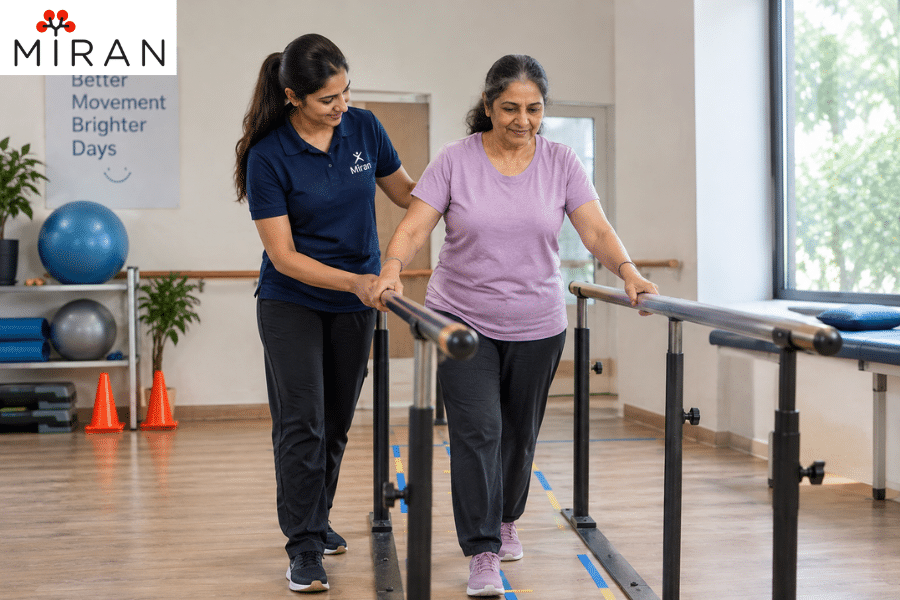
Balance and Coordination Exercises – These exercises are particularly important for individuals recovering from neurological conditions or spinal injuries that affect their movement control.
The Importance of Consistency
Recovery does not happen overnight. Meaningful improvements occur through consistent effort, guided therapy, and gradual progression. Small gains in mobility, strength, and function often lead to significant improvements in daily life over time.
Following prescribed exercises, maintaining an active lifestyle, and attending regular therapy sessions can make a substantial difference in long-term outcomes. Consistency supports recovery and helps prevent future setbacks.
Frequently Asked Questions
Spine Rehabilitation is a specialised therapy program designed to improve spinal function, reduce pain, restore mobility, and strengthen the muscles that support the spine. It helps individuals return to daily activities with greater comfort and confidence. Recovery timelines vary depending on the condition, severity, and individual goals. Many patients notice improvements in pain, mobility, and strength within a few weeks of consistent therapy and guided exercise. A comprehensive Spine Rehabilitation program may include mobility exercises, strength training, posture correction, balance and coordination training, functional movement therapy, and personalised physiotherapy techniques tailored to individual needs. What is Spine Rehabilitation and how does it help?
How long does it take to see results from Spine Rehabilitation?
What treatments are included in a Spine Rehabilitation program?
Wellness Tips
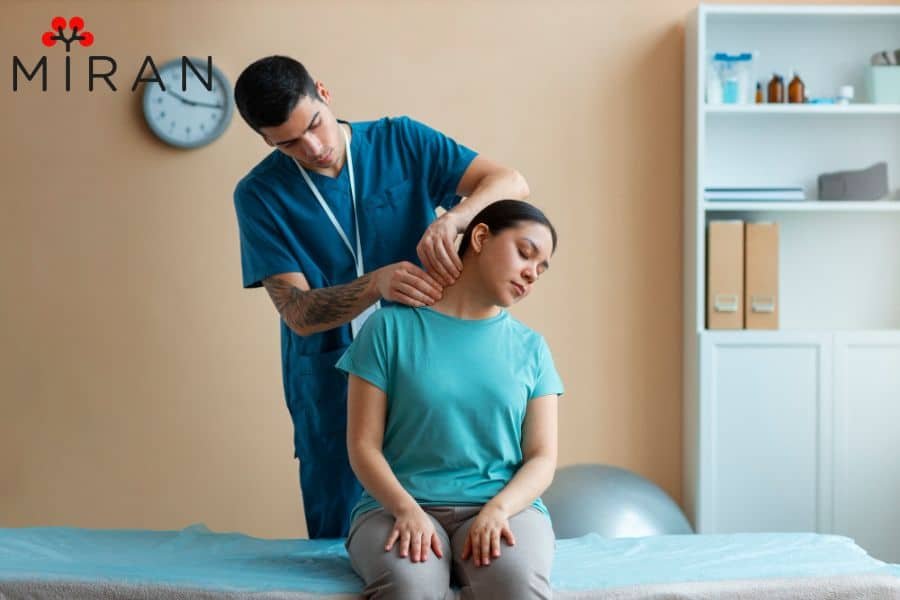
At Miran Neuro Physiotherapy and Rehab, Santacruz, we understand that spinal health affects every aspect of movement and independence. Our specialised Spine Rehabilitation programs are designed to help individuals overcome pain, improve mobility, and regain confidence in their daily activities.
We take a personalised approach to care, combining evidence-based physiotherapy techniques, functional movement training, posture correction, neurological rehabilitation, and strength-building exercises to meet each patient’s unique needs. Whether you are recovering from surgery, managing a chronic spinal condition, or dealing with posture-related discomfort, as you rebuild your mobility after an injury, our team is committed to supporting you at every stage of recovery.
At Miran Neuro Physiotherapy and Rehab, we believe rehabilitation is about more than reducing symptoms; it is about helping people return to the activities they love with greater comfort, confidence, and independence. Through expert guidance, compassionate care, and individualised treatment plans, we empower our patients to build stronger foundations for long-term spinal health and overall well-being.
Image Reference: Magnific
Disclaimer: All trademarks, logos, and brand names are the property of their respective owners. All company, product, and service names used in this website are for identification purposes only. Use of these names, trademarks, and brands does not imply endorsement.