
Healthy Ageing | Stay Active, Strong and Independent | Miran
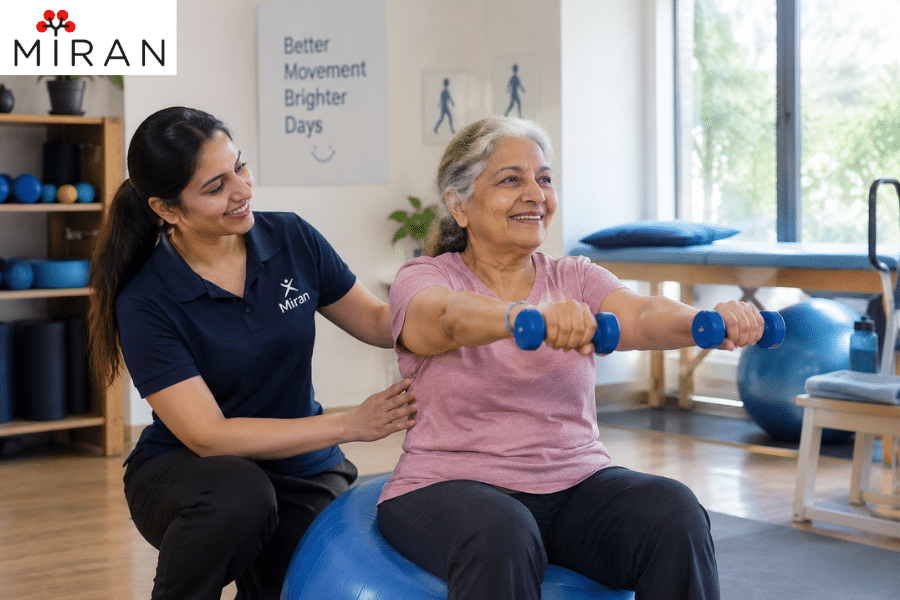
Ageing does not have to mean giving up the activities you enjoy. Growing older naturally brings changes in strength, flexibility, balance, and endurance, but staying active can help the body adapt to these changes.
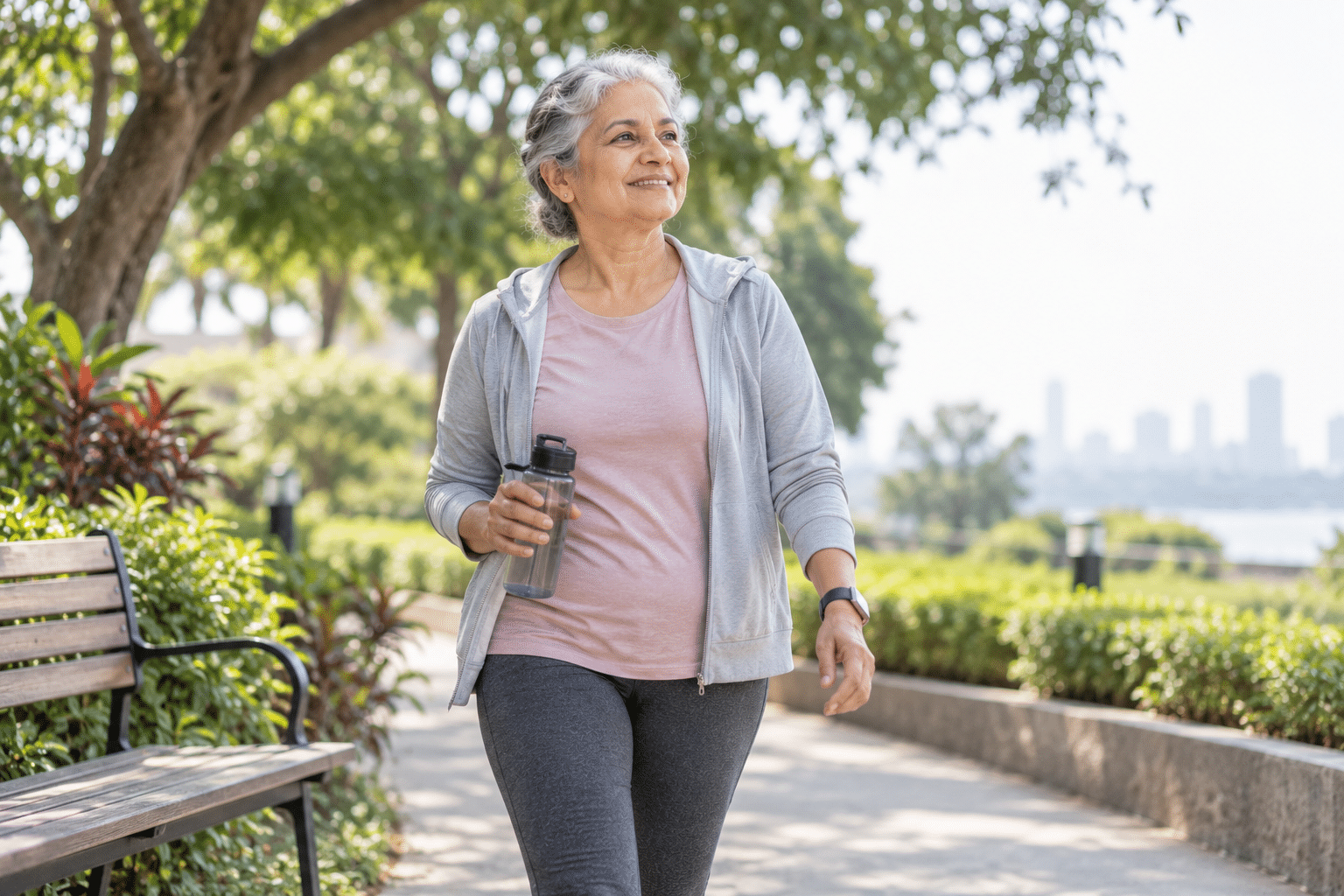
Healthy ageing is not about trying to feel twenty years younger. It is about maintaining the physical abilities that make everyday life easier and more enjoyable.
Getting out of a chair, walking to the market, climbing stairs, travelling, spending time with family or pursuing a favourite hobby can all depend on good mobility. Supporting these abilities through regular movement and appropriate exercise can make a valuable difference.
The Real Meaning of Healthy Ageing
Healthy ageing is not one definition because we all have different priorities.
For one person, it might simply mean continuing their morning walk. For another, it could mean being able to remain independent at home, play with grandchildren or travel without worrying about physical limitations.
At its heart, healthy ageing involves maintaining the ability to:
- Move safely and comfortably
- Perform everyday activities
- Maintain muscle strength
- Support balance and coordination
- Stay physically active
- Adapt to changing physical needs
- Remain as independent as possible
The focus is therefore not simply on age. It is in function.
Why Does Movement Become More Important With Age?
As the body ages, physical activity can become more and more important. Long periods of inactivity can lead to loss of strength, stiffness and a decreased level of physical confidence.
A routine of movement helps seniors to maintain the function of their muscles and joints, rather than allowing inactivity to slowly restrict their capabilities.
Think of movement as everyday maintenance.
Just as a home needs regular maintenance to remain functional, the body benefits from regular opportunities to move, strengthen and practise balance.
This does not mean every older adult needs intense workouts. Simple, appropriate activities performed consistently can be meaningful.
A Stronger Body Supports Greater Independence
Muscle strength plays an important role in everyday movement.
Consider how many times the body needs to generate strength during an ordinary day:
Chair → Standing → Walking → Turning → Stairs → Reaching → Carrying
These actions may seem simple, but they require coordinated effort from several muscles and joints.
Maintaining strength can therefore support independence in daily routines.
What can strengthening exercises focus on?
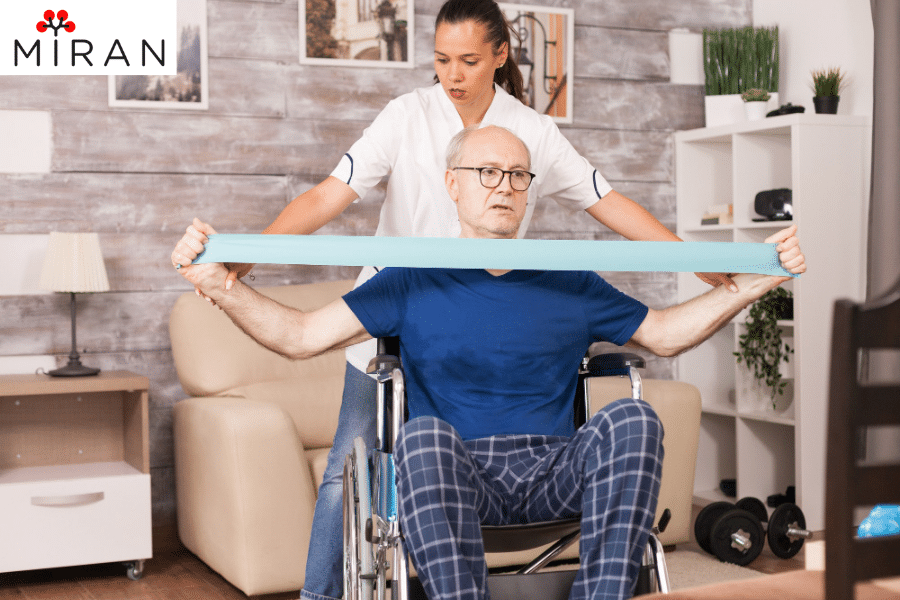
Depending on an individual’s abilities and health needs, a physiotherapy programme may include:
- Leg strengthening
- Core stability exercises
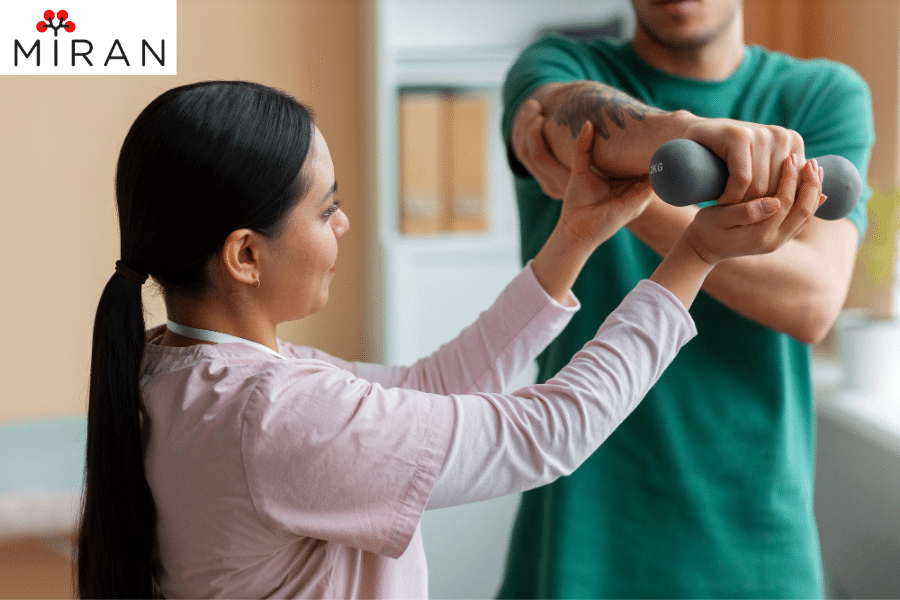
- Upper-body strengthening
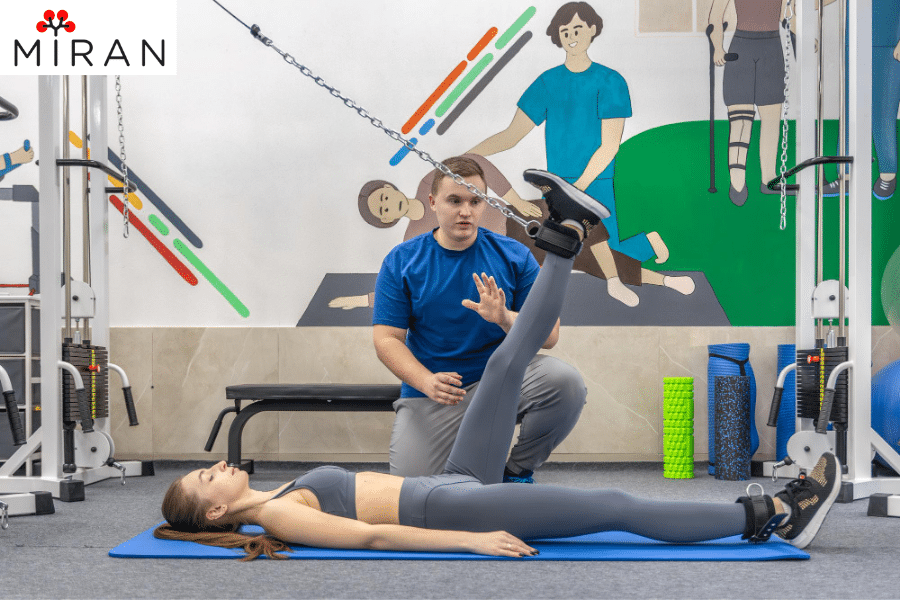
- Sit-to-stand practice
- Controlled stepping
- Functional resistance exercises
Exercises should be selected according to the person’s current ability rather than simply their age.
Balance Is a Skill Worth Practising
Balance can change as people get older. Reduced muscle strength, slower reactions, changes in mobility and previous injuries can all influence stability.
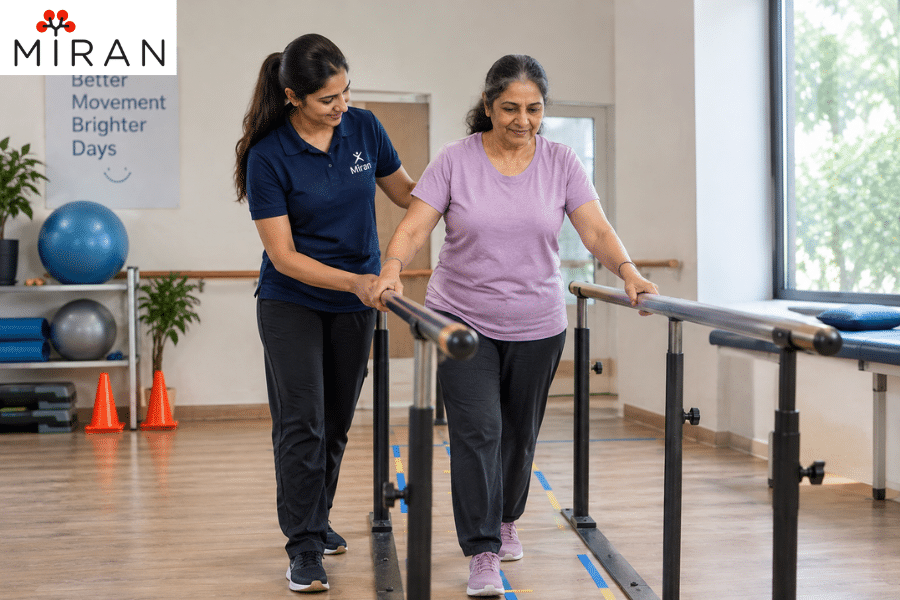
Instead of avoiding movement because of balance concerns, people can practise controlled movement in a safe environment with appropriate exercises.
A balance-focused routine may include:
Weight shifting
Learning to move body weight from one side to another.
Stepping practice
Improving control while taking forward, backward or sideways steps.
Turning exercises
Practising controlled changes of direction.
Sit-to-stand movements
Building strength and coordination is needed for one of the most common daily activities.
Balance training can be adapted as abilities improve.
Healthy Ageing Starts With Small Decisions
A major mistake is believing that maintaining fitness requires a complicated routine.
Often, consistency matters more than complexity.
Try building movement into ordinary activities:
Morning:
A short mobility routine after getting out of bed.
During the day:
Regular walking and avoiding unnecessarily long periods of sitting.
At home:
Practising safe functional movements such as controlled sit-to-stands.
In the evening:
Gentle stretching or mobility exercises if appropriate.
The right routine will depend on the person’s physical condition and professional recommendations.
How Can Physiotherapy Support Healthy Ageing?
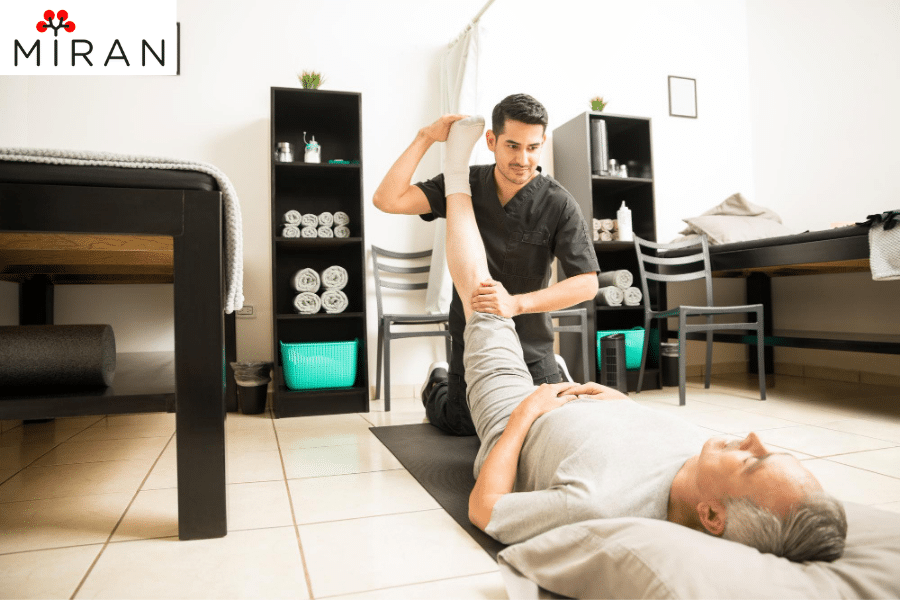
Physiotherapy can help older adults understand what their bodies currently need and how to exercise appropriately.
Rather than using the same programme for everyone, a physiotherapist can take the following factors into account:
- Mobility today
- Strength of muscle
- Ability to balance
- Past injuries
- Joint motion.
- Walking pattern
- Functional disability
- Personal goals
From there, exercises can be progressed gradually.
Someone who is already active may require a different challenge from someone who has recently become less mobile. Personalisation makes rehabilitation and exercise more relevant to everyday life.
Beyond Exercise: Confidence Matters Too
Physical ability and confidence often influence each other.
Someone who feels unsteady may start avoiding stairs, outdoor walks or social activities. Less activity can then lead to further deconditioning, making movement feel even more difficult.
Breaking this cycle is an important part of healthy ageing.
Gradual exposure to appropriate movement can help individuals become more comfortable with activities they may have started avoiding.
The aim is not perfection. The aim is to build enough confidence to keep participating in everyday life.
A Simple Healthy Ageing Check-In
Ask yourself:
Can I move comfortably?
If stiffness is affecting everyday activities, mobility work may be useful.
Can I rise from a chair confidently?
Difficulty with this movement may indicate an opportunity to work on functional strength.
Do I feel steady while walking?
Balance and gait can be assessed when instability is a concern.
Am I avoiding activities I once enjoyed?
Reduced confidence can sometimes be addressed through gradual, supervised rehabilitation.
Am I moving regularly?
Consistency is an important part of maintaining physical function.
These questions are not a diagnosis. They are simply useful reminders to pay attention to changes in everyday ability.
Making Ageing an Active Journey
Healthy ageing is not about halting the natural process of ageing. It’s about supporting the body through each and every stage of it.
A strong, mobile body can help you keep participating in family life, hobbies, social activities and personal routines. Ageing doesn’t have to be a reason to withdraw from the things that matter – it can remain an active chapter with the right level of movement and guidance.
Frequently Asked Questions
What does healthy ageing mean?
Healthy ageing involves maintaining physical function, mobility, strength, balance and independence while continuing to participate in meaningful everyday activities.
Why is exercise important for healthy ageing?
Regular, appropriate movement can help support muscle strength, joint mobility, balance and physical confidence, making everyday activities easier to manage.
How can older adults improve their balance?
Balance can be supported through appropriate exercises such as weight shifting, controlled stepping, turning practice and sit-to-stand movements under suitable professional guidance.
Healthy Tips
The best approach to ageing is not to measure life by what the body could do years ago but to support what it can do today and help it keep progressing. Strength, mobility, balance and confidence can all contribute to greater independence. Miran Neuro Physiotherapy and Rehab takes a personalised approach to helping individuals stay active, capable and engaged with the everyday moments that make life meaningful.
Image Reference: Magnific
Disclaimer: All trademarks, logos, and brand names are the property of their respective owners. All company, product, and service names used on this website are for identification purposes only. Use of these names, trademarks, and brands does not imply endorsement.