
Balance Correction Therapy | Improved Stability and Fall Prevention | Miran
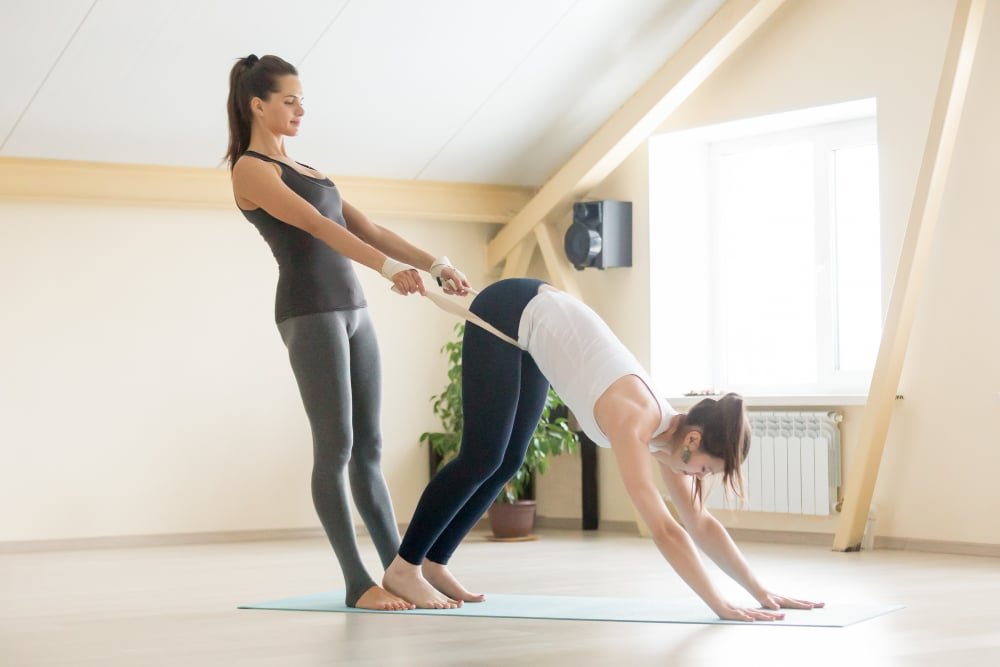
We don’t think about balance until we start to lose it. To get out of a chair, walk on uneven ground, climb stairs, or even turn around, you need a good sense of balance and coordination. Everyday activities can become difficult and stressful when an injury, ageing, or a medical condition affects balance. The key to regaining stability and improving quality of life is balance correction therapy.
Balance correction therapy is a specialised rehabilitation approach designed to improve body coordination, strengthen muscles, and reduce the risk of falls. Through carefully planned exercises and training techniques, individuals can regain confidence in their movements and return to their daily activities safely.
Why Balance Matters More Than We Think
The human body relies on a complex system to maintain balance. The brain, inner ear, muscles, joints, and eyes work together to keep us stable during movement. If any part of this system is affected, it can lead to dizziness, unsteadiness, or difficulty walking.
Poor balance can result in:
- Frequent falls or fear of falling
- Difficulty walking independently
- Reduced confidence in movement
- Limited participation in daily activities
- Muscle weakness and reduced mobility
This is why early balance correction therapy is important to prevent complications and improve overall physical function.
Who Can Benefit from Balance Correction Therapy?
Many individuals can benefit from this form of rehabilitation.
Older Adults – As people age, muscle strength and coordination naturally decline, increasing the risk of falls and injuries.
Stroke Survivors – A stroke often affects body coordination and posture, making balance training essential for recovery.
Individuals with Neurological Disorders – Conditions such as Parkinson’s disease, multiple sclerosis, and cerebral palsy can significantly impact balance and movement.
People Recovering from Injury or Surgery – Joint replacements, fractures, and spinal surgeries may temporarily affect stability and walking patterns.
Individuals with Vestibular Disorders – Problems related to the inner ear can lead to dizziness and loss of balance.
For all these conditions, balance correction therapy provides structured exercises that help restore stability and improve independence.
Common Signs That Indicate Balance Problems
Sometimes balance issues develop gradually and may go unnoticed in the beginning.
Some warning signs include:
- Feeling unsteady while walking
- Difficulty standing on one leg
- Frequent tripping or stumbling
- Dizziness when changing positions
- Fear of walking without support
- Difficulty climbing stairs
If these symptoms persist, professional assessment and balance correction therapy can help identify the cause and improve movement.
How Does Balance Correction Therapy Work?
The primary goal of balance correction therapy is to retrain the body’s balance system and improve coordination.
A therapist carefully evaluates the following:
- Strength and flexibility
- Walking pattern and posture
- Coordination and reaction time
- Muscle control
- Risk of falls
- Functional abilities
Based on this assessment, a personalised rehabilitation plan is created to address individual needs and goals.
Exercises Used in Balance Correction Therapy
- Static Balance Exercises – These exercises involve maintaining different standing positions to improve stability.
- Dynamic Balance Training – Activities such as walking in different directions help improve coordination and movement control.
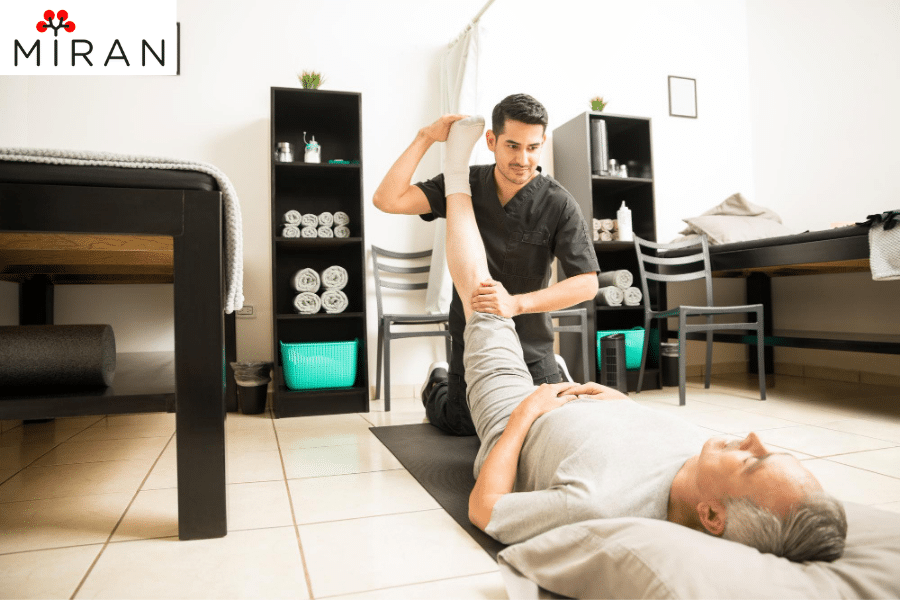
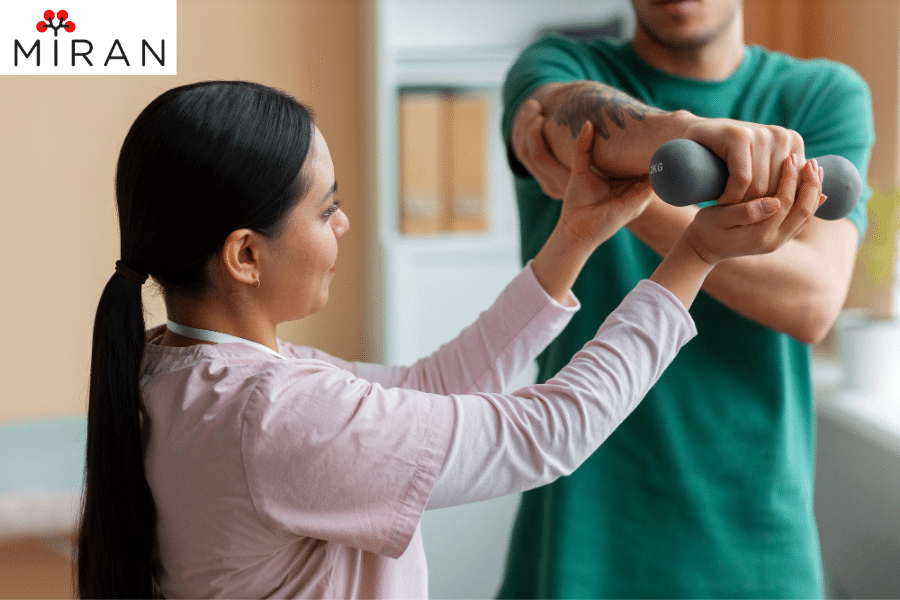
- Strengthening Exercises – Building strength in the legs and core muscles provides better support and stability.
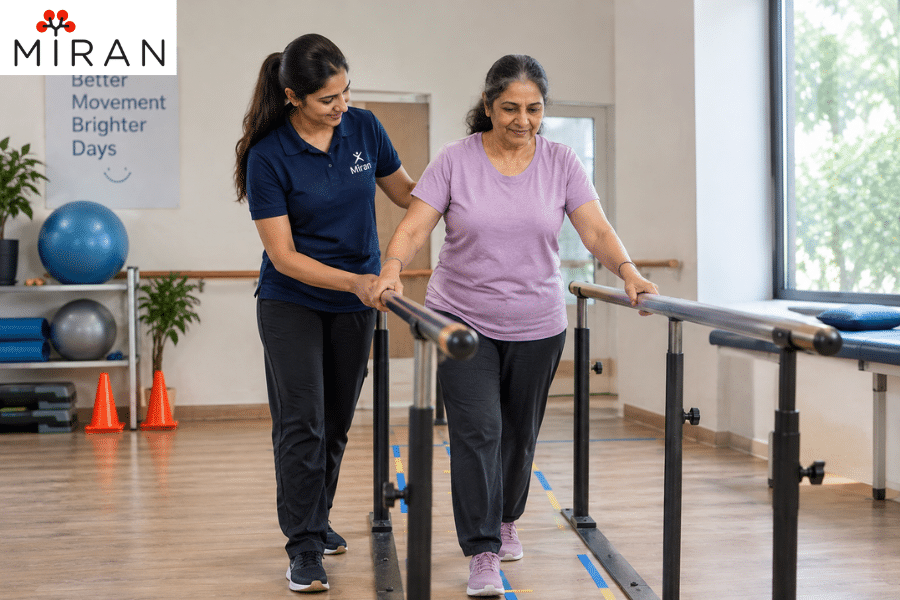
- Gait Training – Therapists work on improving walking patterns, step length, and posture.
- Coordination Activities – Specific exercises enhance the body’s ability to respond to changes in position and movement.
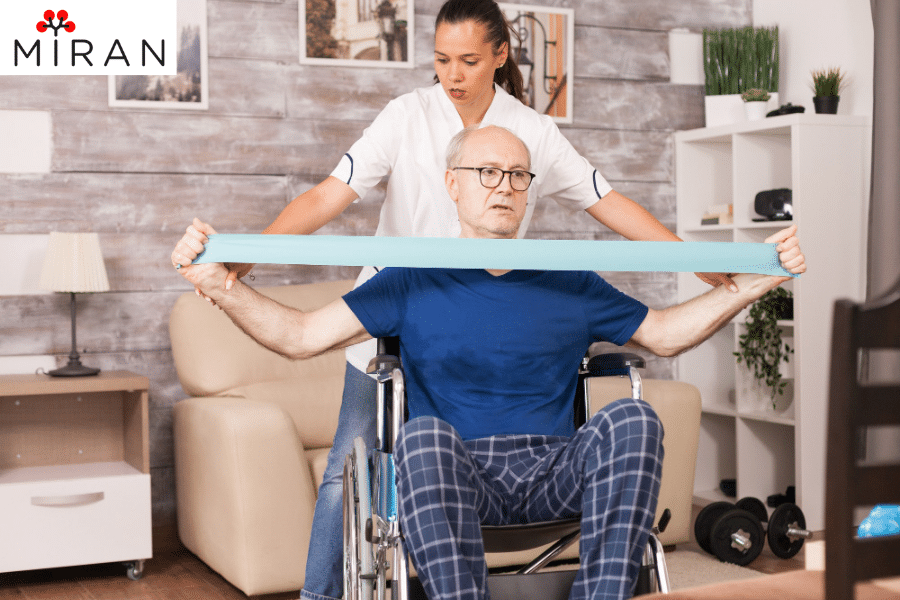
- Functional Training – Patients practice activities that mimic daily tasks, helping them regain independence.
A customised therapy programme for balance correction ensures that each individual progresses safely and effectively.
Benefits Beyond Fall Prevention
Many people assume that balance rehabilitation is only about preventing falls, but its benefits extend much further.
- Improved Mobility – Individuals become more comfortable walking and moving independently.
- Better Posture – Therapy improves body alignment and reduces unnecessary strain on muscles and joints.
- Increased Strength – Exercises strengthen the muscles that help maintain stability.
- Greater Confidence – Many people regain confidence and become less fearful of movement.
- Enhanced Independence – Improved balance allows individuals to participate more actively in daily activities and social events.
Regular balance correction therapy can significantly improve both physical and emotional well-being.
The Importance of Starting Early
Ignoring balance problems can increase the risk of falls and injuries. Early intervention often leads to better outcomes because the body can adapt and improve more effectively when rehabilitation begins sooner.
Consistency also plays an important role. Regular practice and adherence to therapy programmes can lead to noticeable improvements in balance, coordination, and overall mobility.
Recovery timelines vary from person to person, depending on the underlying condition and individual goals. However, even small improvements can have a significant impact on daily life.
Frequently Asked Questions
What is balance correction therapy?
Balance correction therapy is a specialised rehabilitation programme that improves balance, coordination, strength, and stability through personalised exercises. It helps reduce the risk of falls and supports safe, confident movement.
Who should consider balance correction therapy?
Balance correction therapy is recommended for older adults, stroke survivors, people with Parkinson's disease, multiple sclerosis, vestibular disorders, and individuals recovering from injuries or surgeries that affect balance and mobility.
What exercises are included in balance correction therapy?
Balance correction therapy may include static and dynamic balance exercises, gait training, strength training, coordination activities, posture correction, and functional exercises tailored to your individual needs and rehabilitation goals.
Healthy Tips
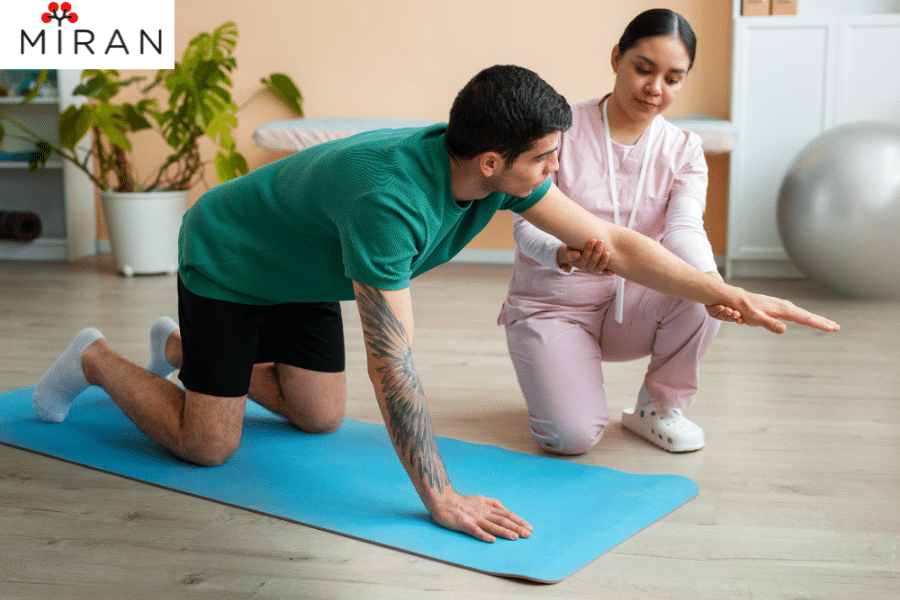
A good balance is important for mobility, independence, and quality of life. Balance correction therapy is a process that aids people in correcting their balance using tailor-made exercises and the guidance of experts. It helps individuals to improve their stability, build muscle strength and restore their confidence in movement. If you are recovering from a neurological condition, surgery or age-related balance problems, the right rehabilitation programme can make daily activities safer and easier. At Miran Neuro Physiotherapy and Rehab, Santacruz we are committed to offering complete rehabilitation services to help people to regain balance, prevent falls and live with greater confidence and independence.
Image Reference: Magnific
Disclaimer: All trademarks, logos, and brand names are the property of their respective owners. All company, product, and service names used on this website are for identification purposes only. Use of these names, trademarks, and brands does not imply endorsement.