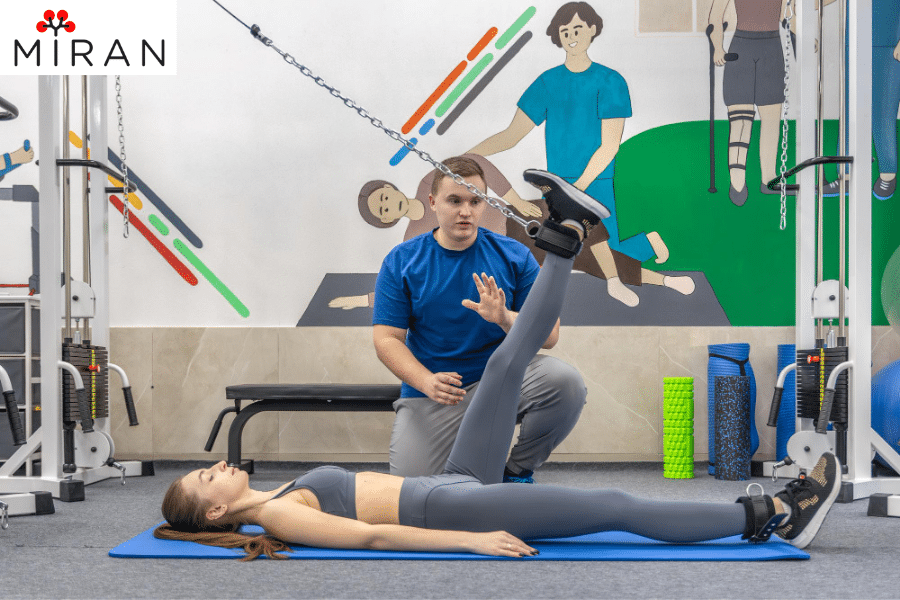

Gait Training | Improve Walking and Balance | Miran
Do you ever wonder why walking, which is something the body normally does automatically, can be difficult after a stroke or neurological condition? Every step is unsure because of a shift in balance, muscle control or coordination. Even crossing a room or getting up to answer the door can be more effortful.
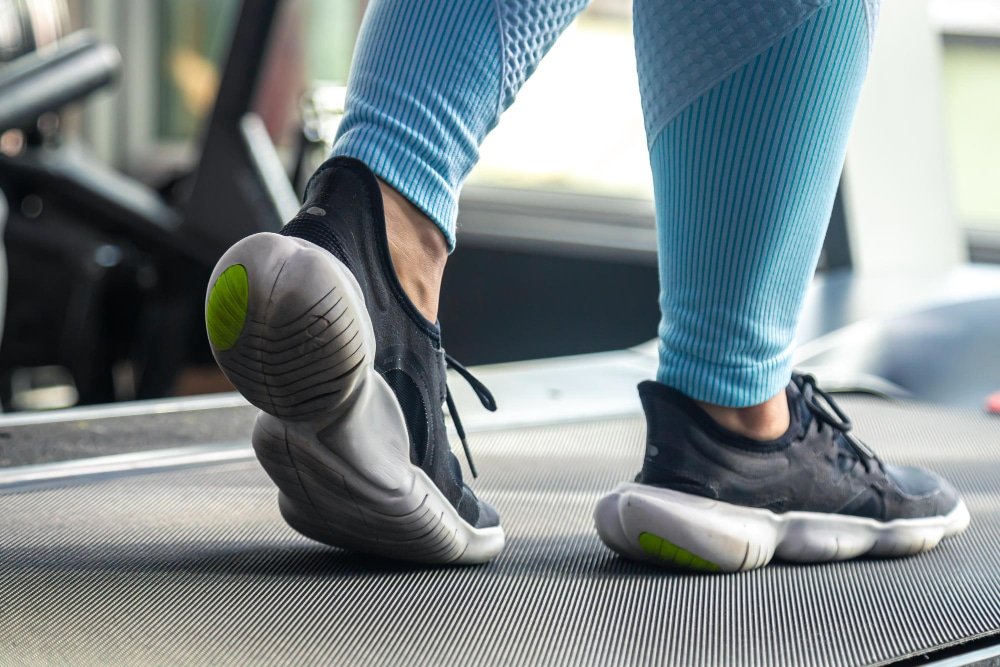
The encouraging news is that targeted rehabilitation can often address walking ability problems. Neurophysiotherapy for Gait Training offers tailored programmes and supervised exercises to help people practise vital walking skills, improve movement control and progress to greater independence.
Why Does Walking Become a Challenge?
Walking requires several body systems to work together. The brain sends signals to the muscles, the legs coordinate each step, and the body maintains balance while moving forward. When a neurological condition affects these processes, walking patterns may change.
Common difficulties include:
- Uneven steps: One leg may take shorter steps or move differently from the other.
- Foot clearance problems: Difficulty lifting the foot may cause it to drag along the ground.
- Reduced balance: Turning, standing, or walking on uneven surfaces may feel unstable.
- Muscle stiffness or weakness: Limited control can make walking slower and more tiring.
- Fear of falling: Previous falls or unsteadiness may reduce confidence in moving independently.
These challenges can affect daily routines, but identifying the specific problem helps a physiotherapist plan more suitable rehabilitation.
How Gait Training Helps Improve Everyday Movement
Gait training focuses on practising walking-related movements rather than relying solely on general exercise. The activities are selected according to the person’s abilities, medical condition, and functional goals.
- Improving Step Length and Foot Placement
A person’s walking pattern may change when one leg is weaker or harder to control. This can affect step length, foot placement, and the rhythm of walking.
During rehabilitation, a physiotherapist may introduce:
- Controlled stepping exercises.
- Practice lifting and placing the foot.
- Weight-shifting activities.
- Guided walking with appropriate support.
These activities help people get better at controlling their movements and work on walking in a more regular way.
- Building Better Balance and Body Control
Walking balance requires continuous adjustment of body position. This is especially important when you change direction, go around obstacles, and start and stop.
Appropriate exercises may include supported standing, side stepping, controlled turning and supervised walking practice. The challenge is scaled to the individual’s stability over time.
Improved balance can help you move more safely, but exercises can’t eliminate all the risk of falling. Unsteady people may need supervision or prescribed walking aids.
- Strengthening Muscles Used for Walking
Weakness in the legs, hips, and trunk can affect posture and make walking more demanding. Strengthening exercises may help improve the physical control required for standing and stepping.
A rehabilitation plan may include:
- Sit-to-stand practice.
- Supported squats, where appropriate.
- Exercises for hip and leg strength.
- Functional movements that prepare the body for walking.
The exercises should match the individual’s ability and be progressed under professional guidance.
- Improving Coordination and Walking Rhythm
Walking is a co-ordinated movement involving the two legs, trunk and arms. Neurological problems can affect this timing, making movement look hesitant or uneven.
The therapist might use repetitive stepping, walking practice and verbal or visual cues to help the person focus on movement timing. We want to practise coordination in a controlled environment before applying these skills to everyday activities.
Who Can Benefit from Neurophysiotherapy for Gait Training?
This rehabilitation approach may be useful for people experiencing walking difficulties related to:
- Stroke: To work on walking control, balance, and movement affected by neurological changes.
- Parkinson’s disease: To address specific walking difficulties, including reduced step length or hesitation, where appropriate.
- Brain injury: To practise coordination, stability, and functional mobility.
- Spinal cord conditions: To work on walking skills according to the level of movement affected and individual clinical needs.
- Prolonged illness or reduced mobility: To rebuild functional movement when weakness and inactivity have affected walking ability.
A professional assessment is important before beginning because the appropriate exercises and level of support vary from person to person.
What Makes a Personalised Rehabilitation Plan So Important?
No two people experience walking difficulties in exactly the same way. One person may struggle with foot placement, while another may need more support with balance or leg strength.
An individualised programme considers several factors:
- Current walking ability: Whether the person walks independently or requires assistance.
- Movement limitations: Areas affected by weakness, stiffness, or reduced coordination.
- Daily goals: Activities the person wants to manage more comfortably.
- Progress over time: How exercises should be adapted as abilities change.
Regular assessment helps ensure that exercises remain appropriate and that progress is measured against meaningful functional goals.
Frequently Asked Questions
What is neurophysiotherapy for gait training?
Neurophysiotherapy for gait training is a rehabilitation approach that helps people practise walking and improve balance, coordination, and movement control affected by neurological conditions.
Who can benefit from gait training?
People recovering from a stroke, brain injury, or other neurological conditions that affect walking may benefit from gait training, depending on their individual assessment.
Can gait training help after a stroke?
Yes, gait training may help stroke survivors work on walking, balance, step control, and functional mobility. The programme depends on the person's abilities and recovery needs.
Healthy Tips – Take the Next Step Towards Better Mobility
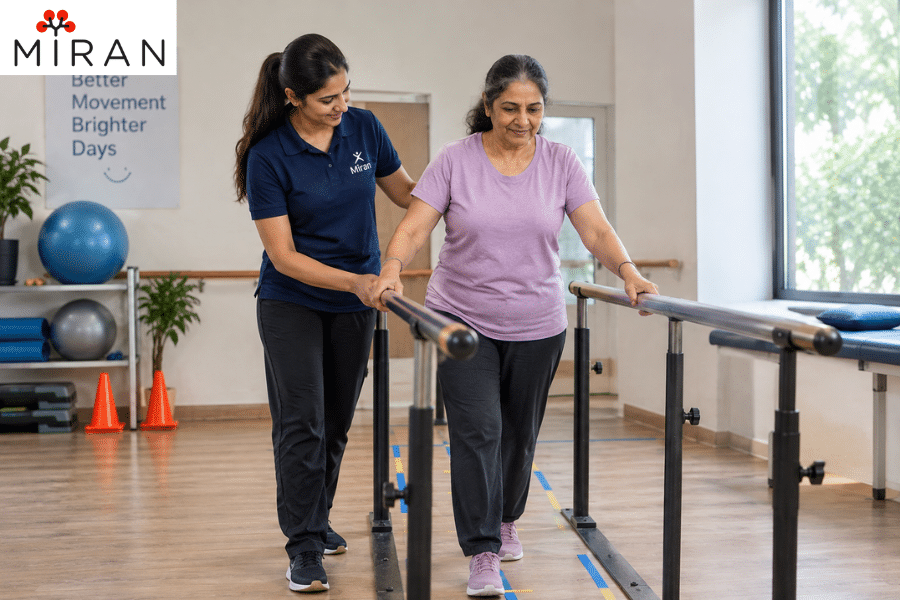
Walking difficulties can affect confidence, independence, and participation in everyday life. With suitable rehabilitation, individuals can work to improve their movement patterns and manage their daily activities more comfortably.
At Miran Neuro Physiotherapy and Rehab, Santacruz, neurophysiotherapy supports individuals working on walking, balance, and coordination after neurological conditions. Through personalised assessment and guided gait training, we focus on practising useful movement skills that align with each person’s abilities and recovery goals.
Every recovery journey is different, but the right guidance can help make each step a purposeful part of working towards improved mobility and independence.
Image Reference: Magnific
Disclaimer: All trademarks, logos, and brand names are the property of their respective owners. All company, product, and service names used on this website are for identification purposes only. Use of these names, trademarks, and brands does not imply endorsement.