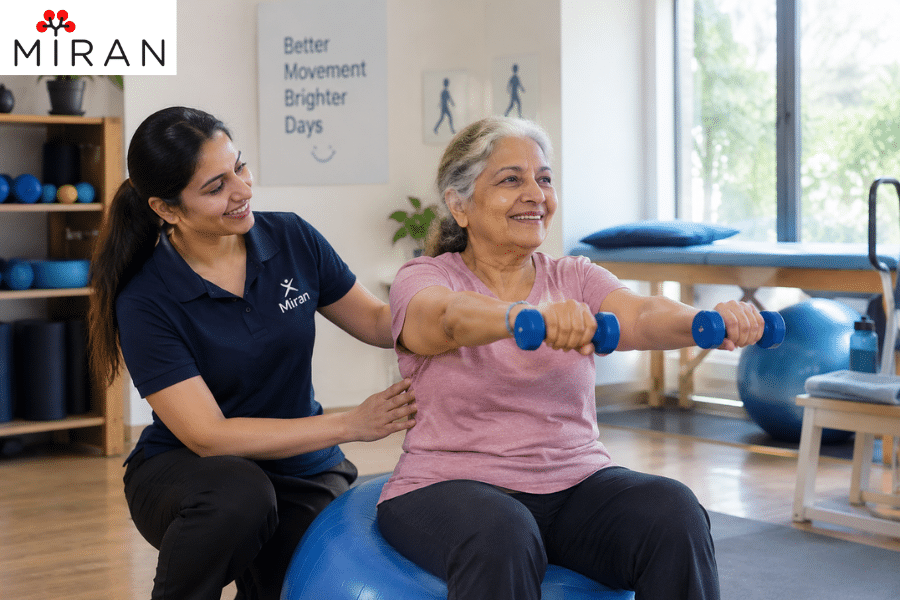

Functional Movement Rehab | Improve Mobility | Miran
Routine motions are easy to miss until they become difficult. You might experience difficulty getting out of bed, going up stairs, reaching for an object or walking comfortably following injury, surgery, prolonged inactivity or a neurological condition. If these activities start to affect your independence, the right type of rehabilitation can help.
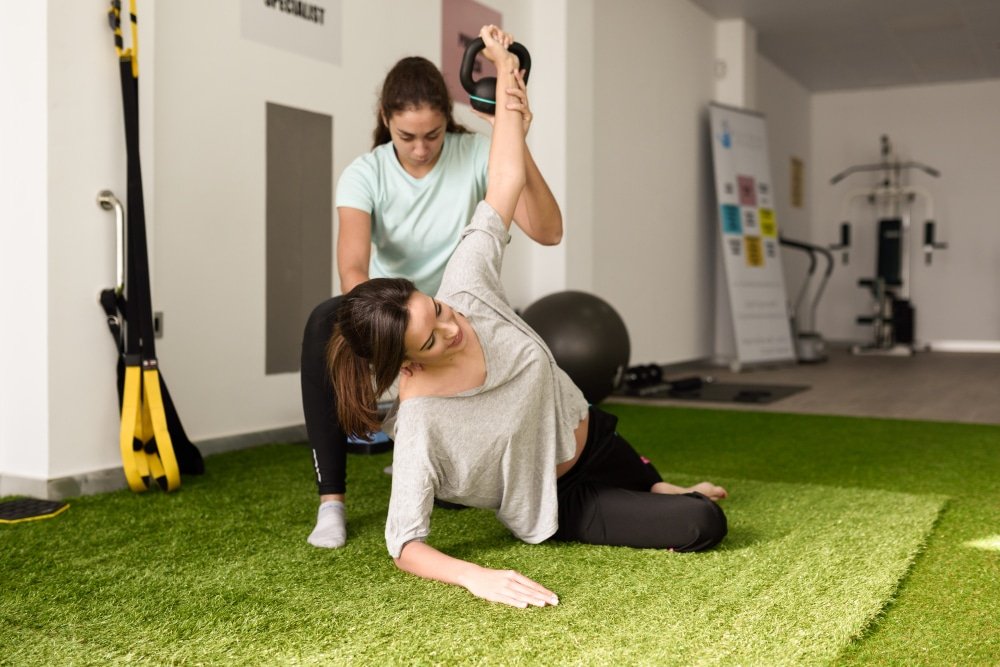
Functional movement rehab aims to improve the movements people need to perform in their daily lives. Instead of focusing on individual muscles or isolated exercises, it trains people to perform practical movements that improve mobility, balance, coordination and physical confidence.
What Makes Functional Movement Rehab Different?
Some traditional exercise plans may focus on making certain parts of the body stronger or more flexible. Functional movement rehab takes a broader view by connecting exercises to everyday activities.
For instance, someone who has been hurt may need to learn how to stand up straight, walk without any problems, or bend down safely. A person who is recovering from a neurological condition might need help with their balance, controlling their body, and moving in a coordinated way.
A personalised rehabilitation programme identifies these problems and suggests exercises that can help with them. The person’s current abilities, recovery goals, and physical limitations are taken into account when choosing activities.
The goal is to help people learn movement skills they can use outside of therapy.
Everyday Activities That Rehabilitation Can Support
Movement difficulties can affect different parts of daily life. Functional movement rehab aims to make these activities more manageable through guided practice and progressive exercise.
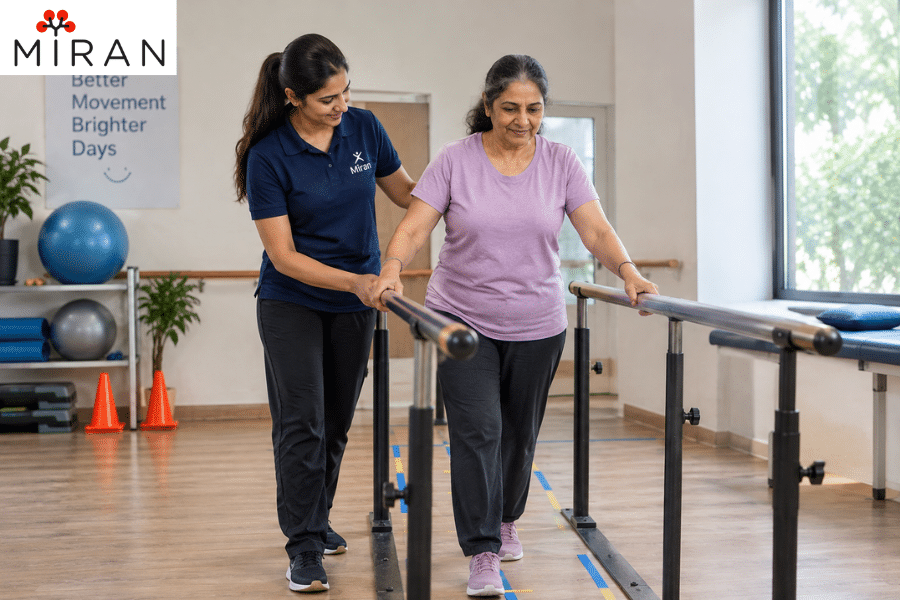
Walking and Maintaining Balance – Walking requires coordination between the legs, trunk, and arms, as well as sufficient balance and body awareness. Weakness, stiffness, or reduced coordination can make walking feel tiring or unstable.
Rehabilitation may include walking practice, balance exercises, weight shifting, and controlled stepping. These activities help individuals practise movement patterns and work towards safer, more confident mobility.
Sitting, Standing, and Changing Positions – Moving from a chair to a standing position involves strength, coordination, and balance. These movements may become difficult after surgery, an injury, or a period of reduced activity.
A therapist may introduce supported sit-to-stand exercises, controlled squats, or other suitable activities. Practising these movements can help individuals achieve greater independence during everyday transitions.
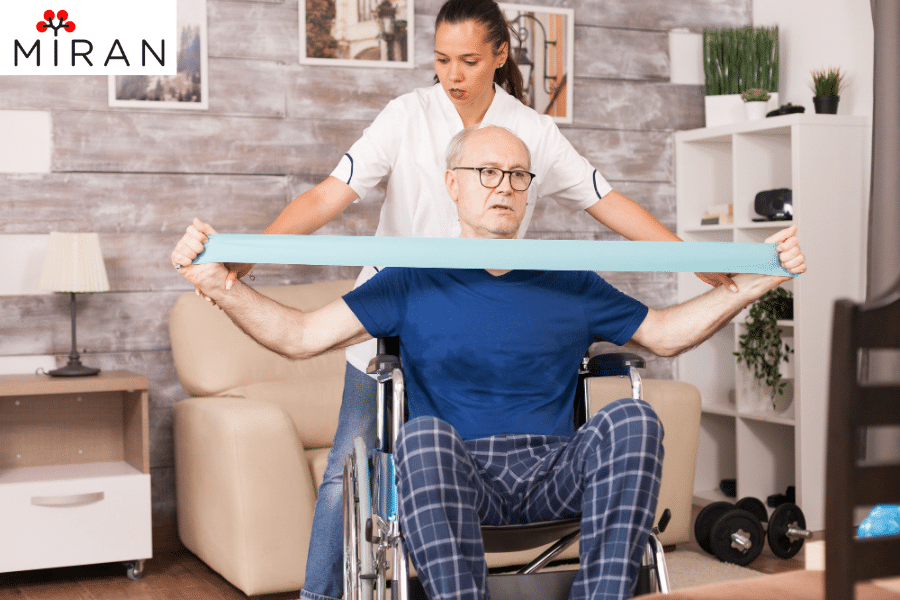
Reaching, Bending, and Coordinating Movements – Simple activities such as reaching for a shelf, picking up an object, or turning around require controlled movement and body awareness. When coordination or flexibility is affected, these tasks may become uncomfortable or challenging.
Functional exercises can help improve movement control and encourage better coordination between different parts of the body. Exercises are adjusted to match the person’s abilities and recovery stage.
Who Can Benefit from Functional Movement Rehab?
This rehabilitation approach may be useful for people experiencing movement limitations due to different health conditions or physical challenges.
- After surgery or injury: Structured exercises can support the gradual return of strength, mobility, and everyday function.
- During neurological rehabilitation: People affected by stroke or other neurological conditions may work on balance, coordination, walking, and functional movement skills.
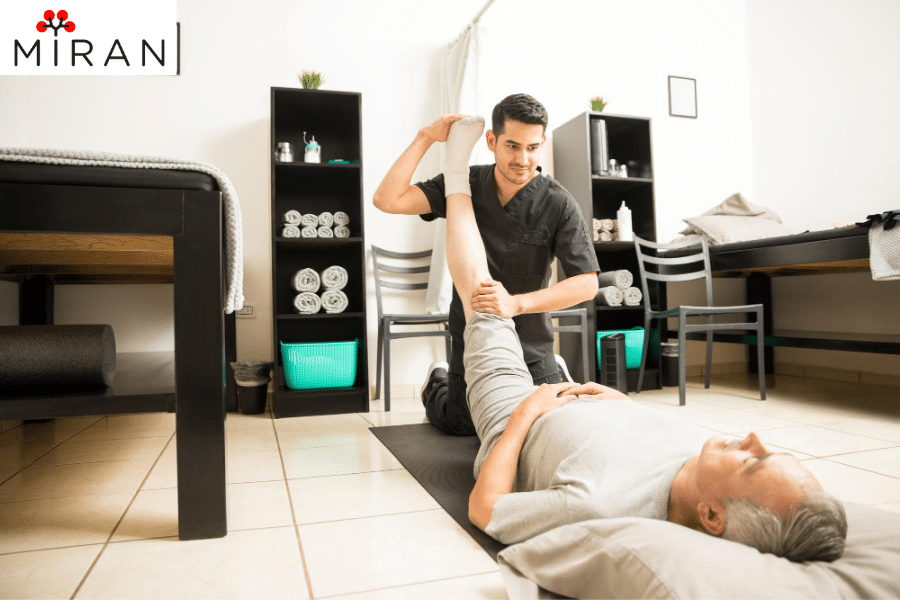
- After prolonged inactivity: Reduced activity can affect endurance, strength, and flexibility. A guided programme can help rebuild these abilities progressively.
- For age-related mobility changes: Appropriate exercises may help older adults practise balance, controlled movement, and daily activities.
The suitability of each programme depends on the person’s condition, medical history, and functional needs. A physiotherapist can assess these factors before recommending specific exercises.
The Role of Personalised Physiotherapy
No two people experience movement difficulties in exactly the same way. One person may struggle with balance, while another may have limited joint movement, muscle weakness, or difficulty coordinating different actions.
This is why functional movement rehab should begin with an individual assessment. A physiotherapist evaluates movement patterns, strength, flexibility, balance, and the activities that are most challenging.
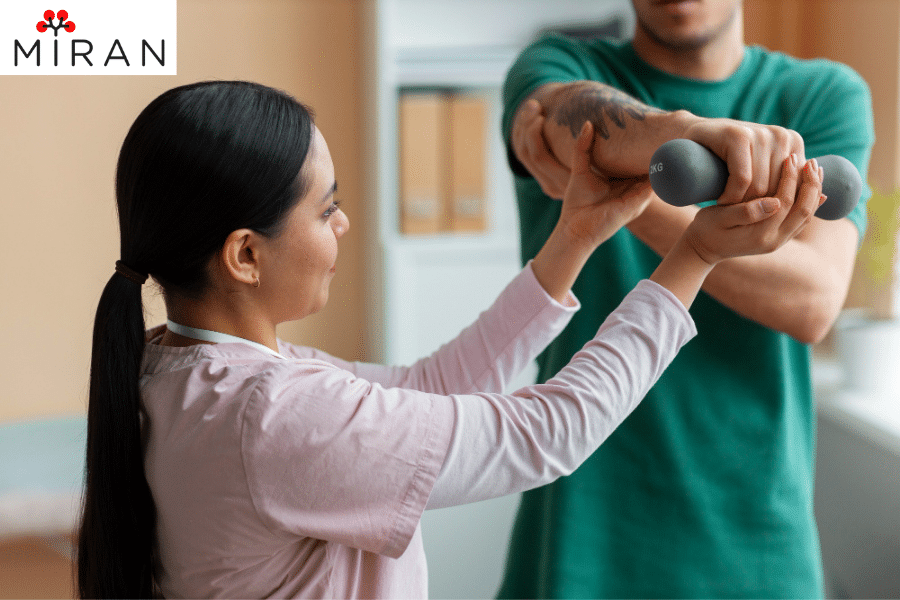
Based on these findings, a rehabilitation plan can be developed with realistic goals. Exercises may begin with simple, supported movements and gradually progress as the person develops better control and tolerance.
Regular assessment also helps the therapist modify exercises when needed. Progress is not measured only by how many repetitions a person can complete, but also by how comfortably and safely they perform meaningful daily activities.
Building Better Movement Through Consistent Practice
Most of the time, recovery takes time. You might get better with consistent practice, the right way to build up your exercises, and help from a trained professional. Trying to move too quickly can make things worse or make it harder to move well, so exercises should be based on what the person can do now.
Following the advice of a professional at home can also help with recovery. This could mean doing the exercises that are suggested, staying at the right level of physical activity, and doing everyday tasks using the strategies that are suggested.
Rest is just as important as being consistent. People can reach their goals and take care of their bodies at the same time with a balanced approach.
Frequently Asked Questions
What is functional movement rehab?
Functional movement rehab is a rehabilitation approach that focuses on improving everyday movements such as walking, standing, bending, reaching, and maintaining balance.
Who can benefit from functional movement rehab?
People recovering from injuries, surgery, neurological conditions, or prolonged inactivity may benefit from functional movement rehab, depending on their individual needs.
Can functional movement rehab help after surgery?
Yes, it may help restore movement, strength, and everyday function after surgery. Exercises should be selected according to the procedure, recovery stage, and medical advice.
Healthy Tips – Take the Next Step Towards Better Mobility
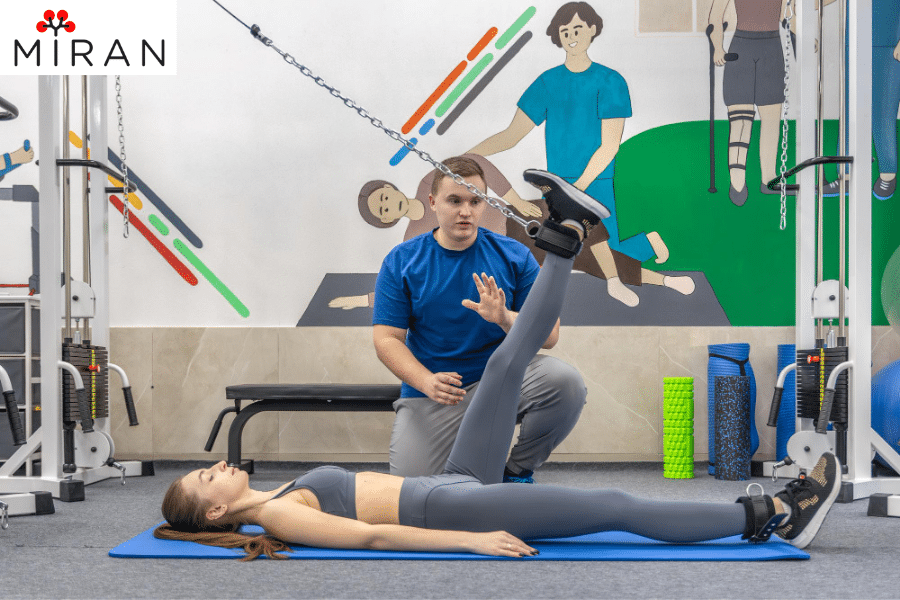
Difficulty with everyday movement does not have to be approached without guidance. With a suitable rehabilitation plan, individuals can work on the physical skills needed for greater comfort, confidence, and independence in daily life.
At Miran Neuro Physiotherapy and Rehab, Santacruz, functional movement rehab can be incorporated into an individualised physiotherapy approach that is based on each person’s movement challenges and recovery goals. With professional assessment, guided exercises, and consistent practice, the focus is on helping individuals work towards better movement and a more active daily routine.
Image Reference: Magnific
Disclaimer: All trademarks, logos, and brand names are the property of their respective owners. All company, product, and service names used on this website are for identification purposes only. Use of these names, trademarks, and brands does not imply endorsement.