
Therapy for Traumatic Brain Injury | Expert Neuro Rehabilitation | Miran
A traumatic brain injury (TBI) can have a sudden impact on a person’s life. Whether caused by a road accident, fall, sports injury, or another form of head trauma, a brain injury can affect movement, balance, speech, memory, coordination, and independence. While recovery may take time, the right therapy for traumatic brain injury can help individuals regain lost abilities and improve their quality of life.
One of the most effective approaches is neurophysiotherapy for traumatic brain injury, which focuses on retraining the brain and body to work together again. Through personalised rehabilitation, individuals can rebuild strength, restore movement, improve balance, and regain confidence in their everyday activities.
Understanding Traumatic Brain Injury
A sudden blow or impact to the brain can cause a traumatic brain injury. Effects vary, depending on the severity and location of injury. Some have minor symptoms which improve with time, while others require long-term rehabilitation to restore physical and cognitive functions.
Common symptoms include:
- Difficulty walking
- Poor balance and coordination
- Muscle weakness
- Reduced hand function
- Difficulty speaking or swallowing
- Memory and concentration problems
- Fatigue
- Muscle stiffness or abnormal muscle tone
These challenges can make routine activities difficult, highlighting the importance of starting therapy for traumatic brain injury as early as possible.
Why Early Rehabilitation Is Important
The brain is remarkably flexible and can rewire itself through a process called neuroplasticity. This ability is harnessed in early therapy for traumatic brain injury, encouraging the brain to relearn important skills and movement patterns.
Starting rehab at the right time can help improve mobility, reduce complications, prevent muscle stiffness and optimise long-term recovery.
What Is Neuro Physiotherapy for Traumatic Brain Injury?
Neuro physiotherapy for traumatic brain injury is a specialised rehabilitative approach aimed at restoring movement and function after brain injury. Neuro physiotherapists don’t just treat the symptoms. They look at how the injury is affecting mobility, balance, posture, strength and coordination and then develop a treatment plan that is specific to the individual.
Each rehabilitation programme is personalised according to the patient’s condition, recovery stage and individual goals, providing meaningful and measurable progress.
How Therapy for Traumatic Brain Injury Supports Recovery
A structured therapy for traumatic brain injury programme focuses on improving both physical and functional abilities.
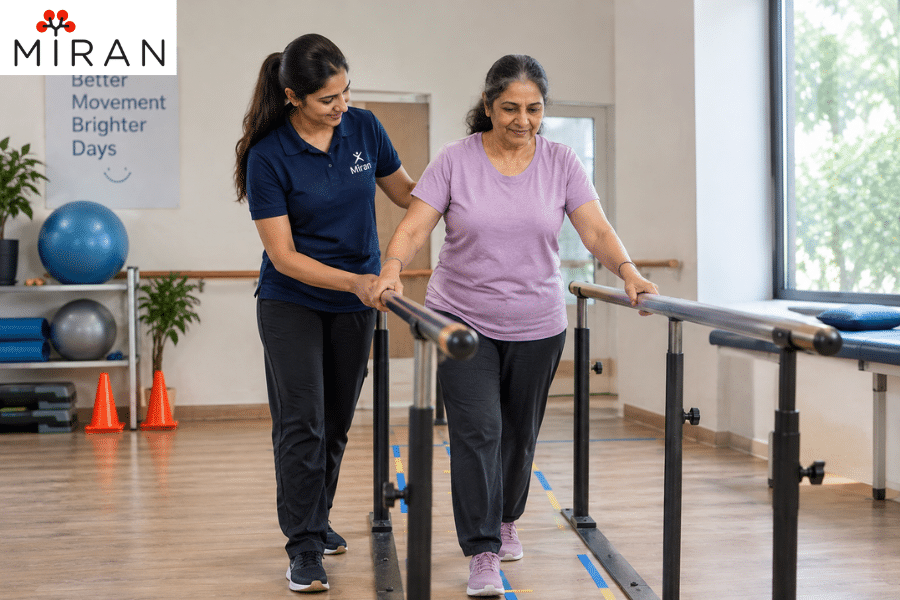
- Restoring Mobility – Walking may become difficult after a brain injury due to weakness, poor coordination, or balance problems. Neuro physiotherapy includes gait training and functional exercises that help individuals walk more safely and confidently.
- Improving Balance and Coordination – Balance exercises help retrain the nervous system while reducing the risk of falls. Improving coordination allows patients to perform everyday activities more independently.
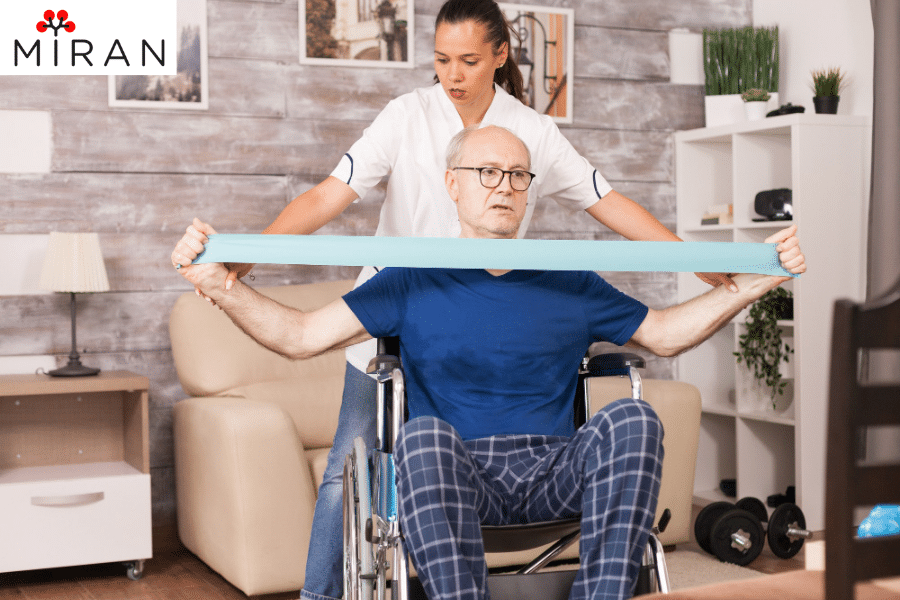
- Rebuilding Muscle Strength – Brain injuries often cause weakness on one side of the body or reduced overall strength. Progressive strengthening exercises help improve muscle control while supporting better movement.
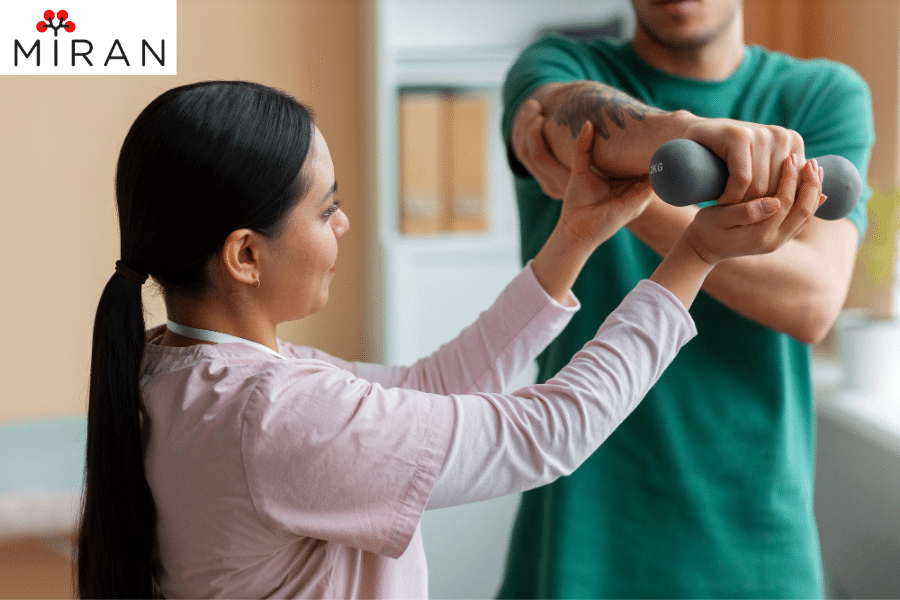
- Enhancing Hand Function – Many individuals experience difficulty using their hands after a traumatic brain injury. Specialised exercises improve grip strength, coordination, and fine motor skills required for daily tasks like eating, writing, or dressing.
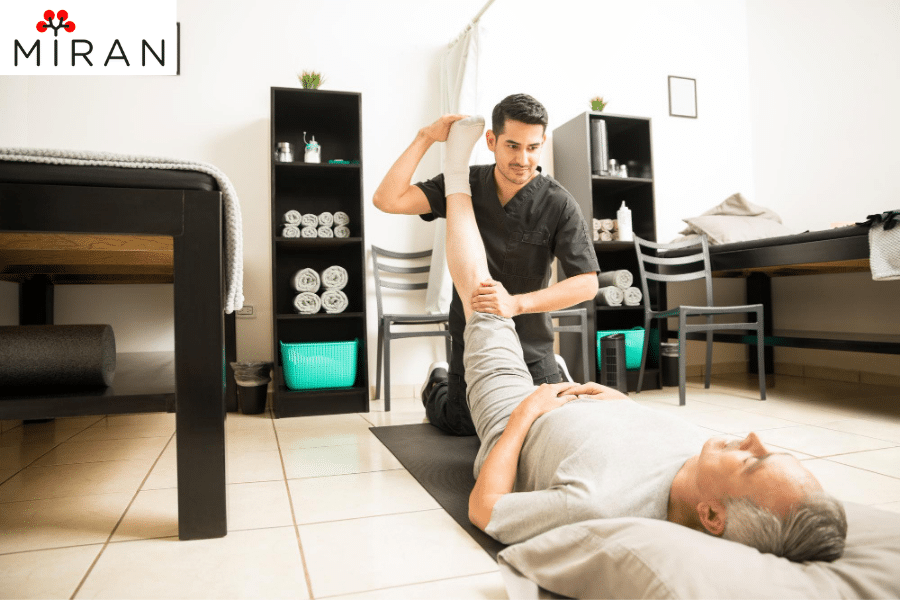
- Reducing Muscle Stiffness – Stretching techniques, positioning strategies, and movement training help reduce stiffness while improving flexibility and joint mobility.
The Role of Advanced Neuro Rehabilitation
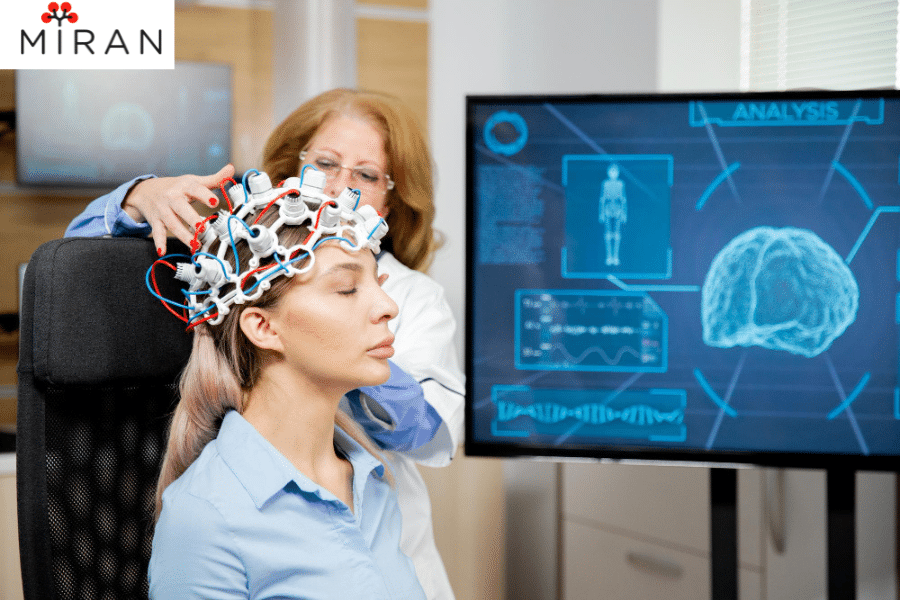
Modern therapy for traumatic brain injury combines traditional physiotherapy with advanced rehabilitation technologies to improve outcomes. Depending on individual needs, treatment may include robotic-assisted gait training, balance rehabilitation, functional electrical stimulation, task-specific training, and cognitive rehabilitation.
These evidence-based approaches help patients perform repetitive, goal-orientated movements that encourage neuroplasticity and functional recovery.
Can Aqua Therapy Help?
For some individuals recovering from traumatic brain injury, aqua therapy can be an excellent addition to neuro rehabilitation. The buoyancy of warm water supports the body, making movement easier while reducing pressure on joints and muscles.
Water also provides natural resistance, allowing patients to strengthen their muscles, improve their balance, and practise walking in a safe environment. For individuals who fear falling or having significant weakness, aqua therapy can build confidence while making rehabilitation more comfortable and enjoyable.
When combined with therapy for traumatic brain injury, aquatherapy offers a holistic approach to improving mobility and independence.
A Personalised Recovery Journey
No two traumatic brain injuries are the same. Recovery depends on the severity of the injury, the affected areas of the brain, and the individual’s overall health. This is why personalised rehabilitation is so essential.
A thorough neurological examination is the first step in a comprehensive treatment for traumatic brain injury. The findings enable the physiotherapist to develop an individualised plan that may include:
- Neuro Physiotherapy
- Balance and gait training
- Functional mobility exercises
- Strength and endurance training
- Hand function rehabilitation
- Posture correction
- Aqua Therapy
- Speech and occupational therapy when required
- Cognitive rehabilitation
The goal is to help patients regain independence and improve their ability to participate in daily life.
Frequently Asked Questions
What is therapy for traumatic brain injury?
Therapy for traumatic brain injury is a personalised rehabilitation approach that helps individuals improve movement, balance, strength, coordination and independence after a brain injury.
Why is early rehabilitation important after a traumatic brain injury?
Early rehabilitation can help address movement difficulties, muscle stiffness, balance problems and functional limitations while supporting the brain's ability to relearn skills.
Can aqua therapy help with traumatic brain injury recovery?
Yes, aqua therapy may support rehabilitation by using water's buoyancy and resistance to make movement easier while helping improve strength, balance, mobility and confidence.
Healthy Tips
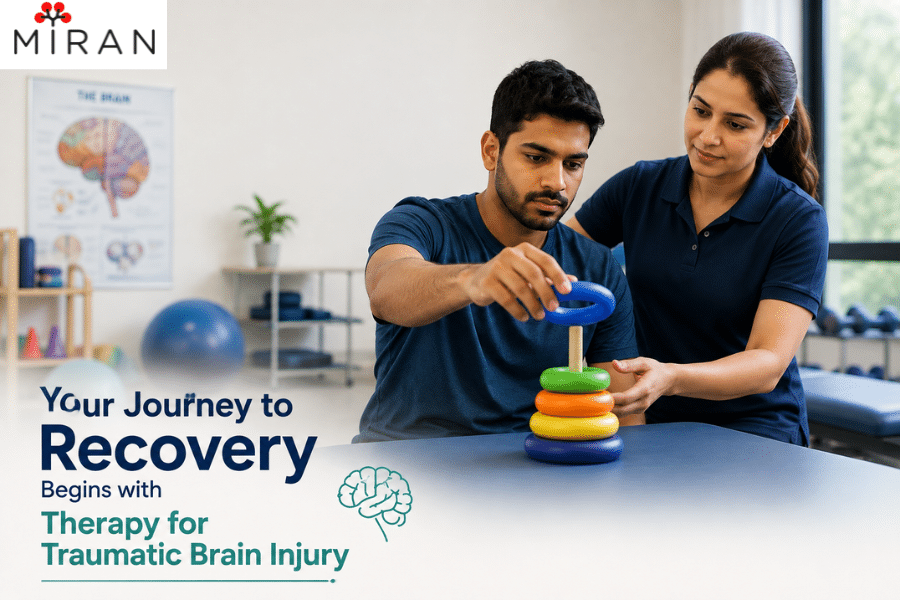
Recovering from a traumatic brain injury takes time, commitment, and expert rehabilitation. With the right therapy for traumatic brain injury, individuals can improve mobility, restore function, and rebuild confidence through structured, goal-oriented care. At Miran Neuro Physiotherapy and Rehab, Santacruz, our experienced multidisciplinary team provides personalised neuro therapy, aqua therapy, occupational therapy, speech therapy, cognitive rehabilitation, and advanced rehabilitation technology to support every stage of recovery. We are committed to helping every patient move better, regain independence, and return to the life they love.
Image Reference: Magnific
Disclaimer: All trademarks, logos, and brand names are the property of their respective owners. All company, product, and service names used on this website are for identification purposes only. Use of these names, trademarks, and brands does not imply endorsement.