

Spinal Cord Injury May Change Your Journey, But Progress Is Still Possible.
A spinal cord injury can affect movement, sensation, balance and independence. Recovery may take time, but the right rehabilitation approach can help improve physical function and everyday abilities.
At Miran Neuro Physiotherapy and Pilates, we provide personalised neurophysiotherapy and rehabilitation for individuals living with spinal cord injuries. Our focus is on improving strength, mobility, functional movement and independence based on each individual’s abilities and recovery goals.
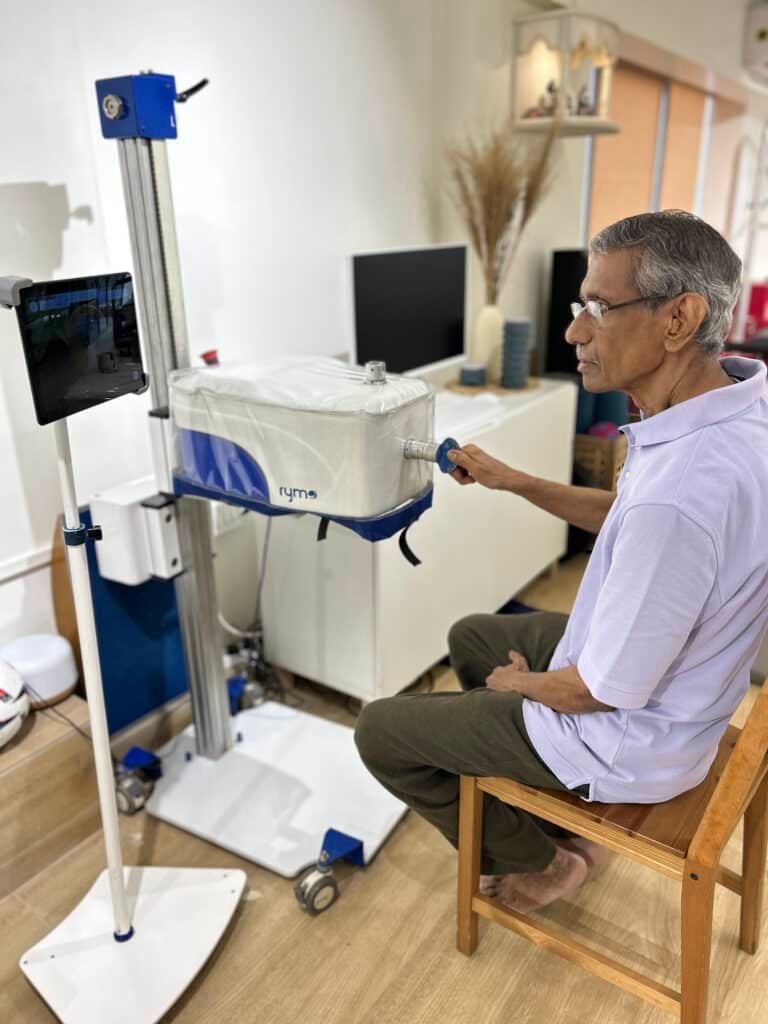
Spinal Cord Injury Rehabilitation Designed Around Your Needs
Every spinal cord injury affects the body differently. Some individuals experience reduced movement or sensation, while others may face difficulties with balance, posture, coordination and daily activities.
The rehabilitation journey depends on the level and extent of the injury, existing abilities and individual recovery goals.
At Miran Neuro Physiotherapy and Pilates, we focus on understanding your condition through an initial assessment and developing a personalised rehabilitation programme.
Your rehabilitation may focus on:
Improving muscle strength and motor control
Developing sitting balance and trunk stability
Improving posture and body alignment
Practising safe transfers and functional movements
Working towards standing and walking, where possible
Improving upper limb and hand function
Enhancing coordination and physical endurance
Managing muscle stiffness and spasticity
Our approach is designed around your current functional ability and the progress you want to achieve.
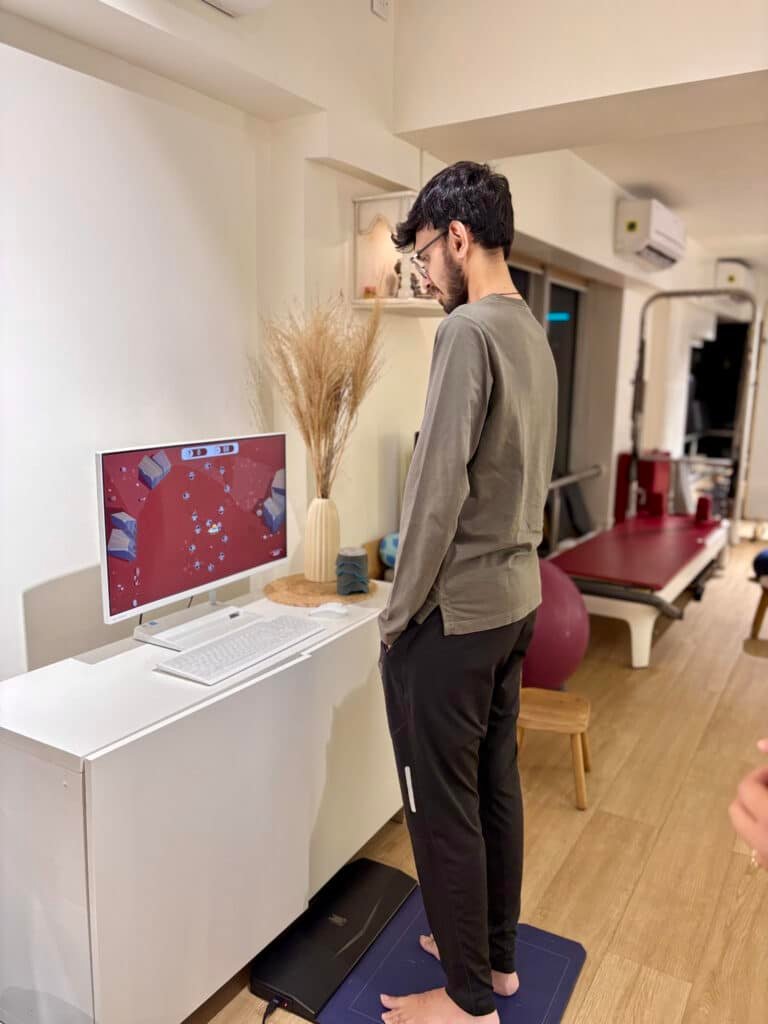

Helping You Improve Strength, Mobility and Independence
Spinal cord injuries can affect how you perform everyday activities, including sitting, standing, transferring between surfaces and moving around independently.
Physiotherapy and neurological rehabilitation can help address these challenges through structured exercises and functional training.
At Miran, rehabilitation goals may include:
Strengthening muscles below and around the level of injury
Improving trunk control and sitting stability
Developing balance and coordination
Practising wheelchair mobility and positioning
Improving hand coordination and functional use
Training safe transfers between bed, wheelchair and other surfaces
Supporting standing and gait training when clinically appropriate
Improving cardiovascular fitness and physical endurance
Whether you currently use a wheelchair, require assistance with movement or are working towards walking, your rehabilitation programme is planned according to your assessment and abilities.
Personalised Spinal Cord Injury Therapy and Rehabilitation
Spinal cord injury rehabilitation requires an individualised approach. Treatment depends on the injury, physical limitations, medical considerations and functional goals.
At Miran Neuro Physiotherapy and Pilates, rehabilitation may combine different therapy approaches depending on your assessment.
Physiotherapy and Neurorehabilitation
Therapeutic exercises and movement-based rehabilitation to work on muscle strength, posture, trunk control, coordination and functional mobility.
Aquatherapy
Water-based rehabilitation can provide additional support during movement and exercise. It may help individuals practise balance, mobility and controlled movements in a supported environment, when medically suitable.
Robotics-Assisted Rehabilitation
Where available and clinically appropriate, robotic rehabilitation equipment may support repetitive movement practice and functional retraining for selected upper and lower limb activities.
Functional Movement Training
Practice of everyday activities such as sitting balance, transfers, wheelchair positioning, standing and walking-related movements, depending on individual abilities.
Progress Monitoring
Regular assessment of functional abilities, muscle strength, movement control and rehabilitation progress helps guide adjustments to the therapy programme.
At Miran, we focus on realistic goals, consistent r
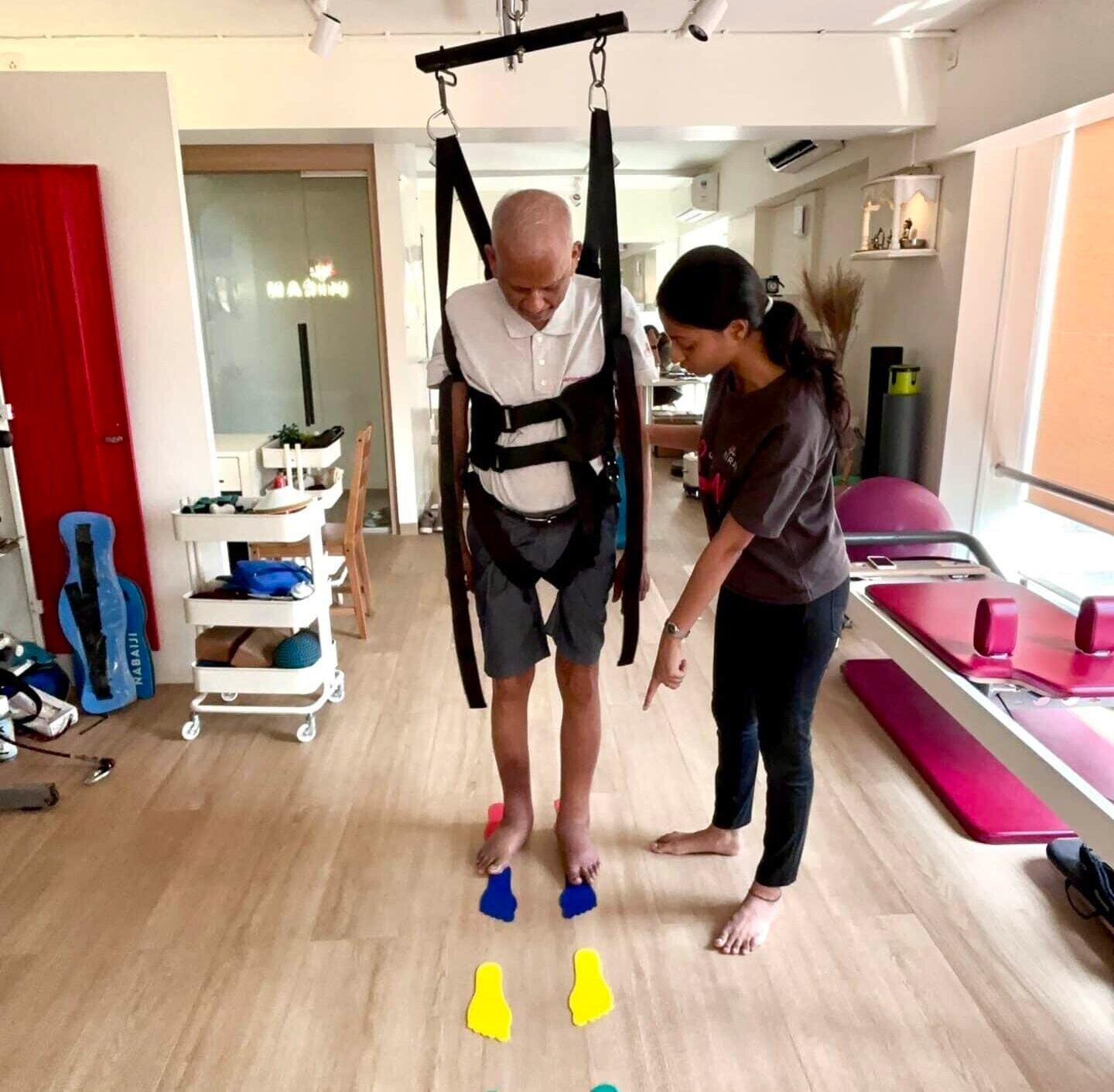
Spinal Cord Injury Rehabilitation in Santacruz
Here Are the Most Important Ones
1. Can someone with an incomplete spinal cord injury walk again?
Walking recovery depends on several factors, including the level and severity of injury, remaining neurological function and rehabilitation progress. Some individuals may regain assisted or independent walking, while others may benefit from improvements in standing, transfers, sitting balance and wheelchair mobility.
2. What is an incomplete spinal cord injury?
An incomplete spinal cord injury occurs when some sensory or motor function remains below the level of injury. The extent of remaining function varies between individuals and influences rehabilitation goals and potential recovery.
3. Is physiotherapy helpful even years after a spinal cord injury?
Yes. Rehabilitation can remain beneficial even years after an injury. Physiotherapy may help improve strength, flexibility, posture, mobility, functional abilities and independence, depending on the individual’s condition.
4. Can aquatherapy help with spinal cord injury rehabilitation?
Aquatherapy may support rehabilitation by allowing controlled movement in water, where buoyancy can reduce the effects of body weight. It may help with balance, mobility and exercise participation when medically appropriate.
5. How frequently should spinal cord injury rehabilitation be done?
The frequency of rehabilitation depends on the individual’s medical condition, injury level, physical abilities and recovery goals. A physiotherapist can recommend a suitable therapy schedule following an initial assessment.
6. Can physiotherapy help if my legs are affected but my upper body is functional?
Yes. Rehabilitation can focus on improving upper body strength, trunk stability, sitting balance, transfers and wheelchair mobility, along with appropriate lower limb rehabilitation where possible.
7. Can spinal cord injury affect bladder and bowel control?
Yes. Spinal cord injuries can affect bladder and bowel function depending on the level and extent of injury. These concerns require appropriate medical assessment and management as part of the overall rehabilitation process.
8. What exercises are included in spinal cord injury rehabilitation?
Exercises may include strengthening, stretching, trunk control, sitting balance, coordination, transfer practice and functional mobility training. The exercises are selected according to the individual’s assessment and medical condition.
9. Does spinal cord injury rehabilitation help improve independence?
Rehabilitation can help individuals develop skills for everyday activities, including transfers, wheelchair mobility, sitting balance and functional movements. The focus is on improving independence according to individual abilities.
10. How can I start spinal cord injury rehabilitation at Miran in Santacruz?
You can contact Miran Neuro Physiotherapy and Pilates to schedule an initial assessment. Our physiotherapy team will evaluate your functional abilities, understand your rehabilitation goals and recommend a suitable therapy programme.
You May Not Know What Progress Is Possible Yet. Let's Work Towards It.
Living with a spinal cord injury can bring physical, emotional and everyday challenges. But rehabilitation can help you work towards meaningful improvements in strength, mobility and functional independence.
At Miran Neuro Physiotherapy and Pilates, we focus on understanding your abilities, setting realistic goals and supporting your rehabilitation journey through personalised neurophysiotherapy. Take the first step towards improving your movement and everyday function.