

Rebuilding Movement After a Spinal Cord Injury
At Miran, we provide personalised physiotherapy and rehabilitation for people living with spinal cord injuries in Mumbai.
A spinal cord injury can affect movement, strength, balance, sensation, and everyday independence. With the right rehabilitation plan, physiotherapy can help you work towards better movement, function, confidence, and quality of life.
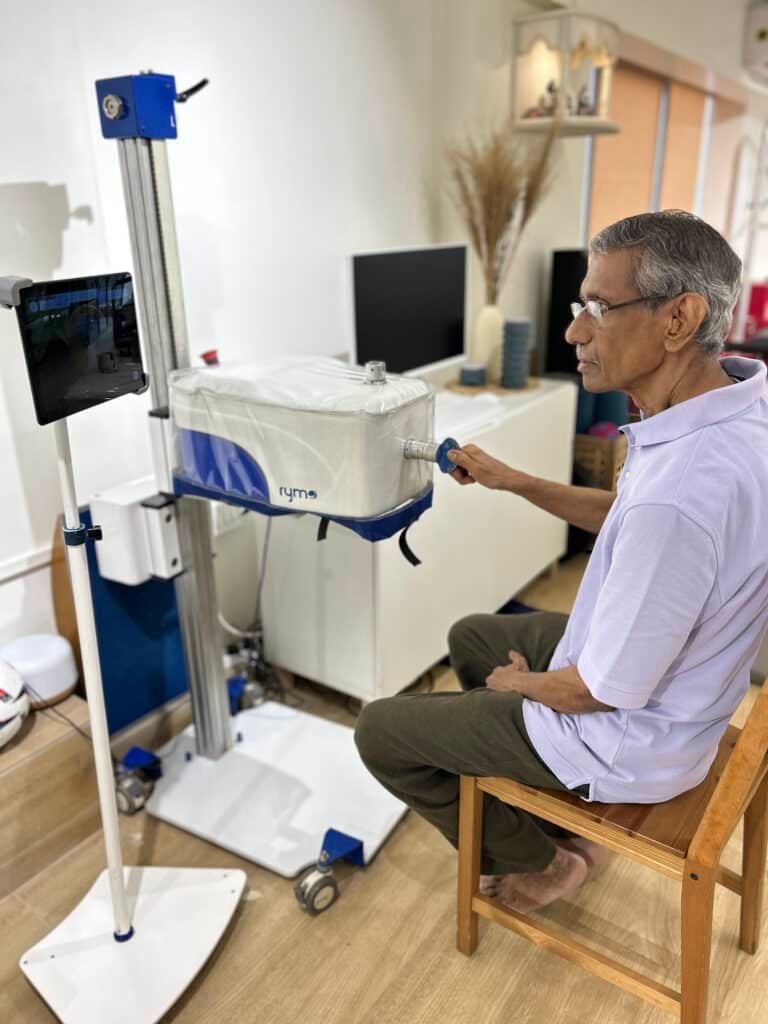
Spinal Cord Injury Rehabilitation That Focuses on You
Spinal cord injury rehabilitation is not just about strengthening muscles. It is about understanding how your injury affects your movement and daily life, then creating a rehabilitation programme around your individual needs and goals.
At Miran, our physiotherapy-led approach focuses on improving mobility, strength, balance, coordination, posture, transfers, and functional independence.
Every programme is guided by assessment and adjusted according to your progress, abilities, and comfort.
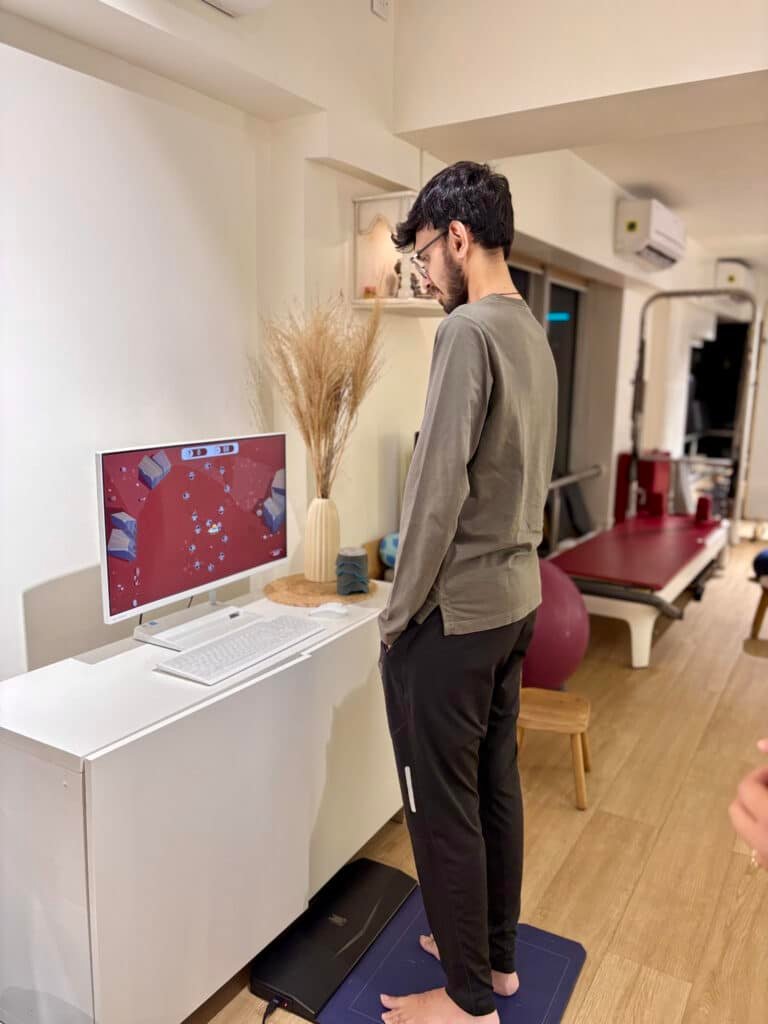

Rehabilitation That Helps You Move With More Confidence
A spinal cord injury can make everyday activities feel challenging — from sitting and standing to transferring, walking, or using a wheelchair.
Physiotherapy can help you work on the physical skills needed for greater independence and safer movement.
Rehabilitation may include:
- Improving muscle strength and control
- Working on sitting and standing balance
- Improving coordination and posture
- Transfer training
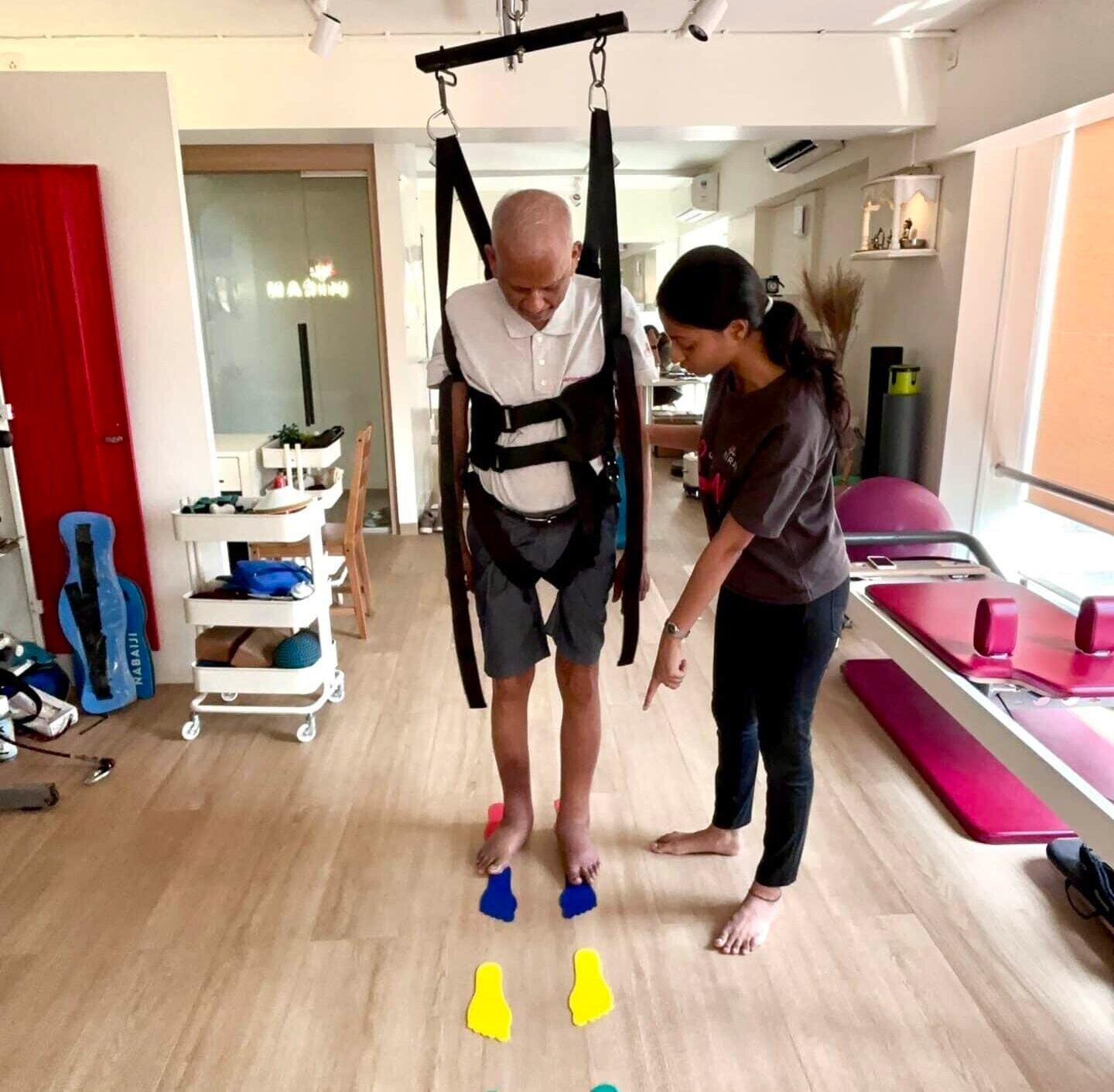
- Gait and walking rehabilitation, where appropriate
- Wheelchair mobility and functional training
- Improving flexibility and joint movement
- Building endurance for everyday activities
- Practising functional movements
- Developing greater confidence with movement
Your programme will depend on the level and completeness of your spinal cord injury, current abilities, medical history, and rehabilitation goals.
Personalised, Supervised Neuro Physiotherapy
At Miran, every spinal cord injury rehabilitation programme begins with an assessment.
We look at your current movement, strength, balance, mobility, functional abilities, and the challenges you experience in everyday life.
Your physiotherapist then develops a personalised programme designed around where you are today and where you want to go.
Sessions are supervised by a physiotherapist, with exercises and techniques adapted as your abilities change.
Your rehabilitation is never one-size-fits-all.
Spinal Cord Injury in Mumbai
Let’s Answer Your First Questions
1. What is spinal cord injury rehabilitation?
Spinal cord injury rehabilitation is a personalised process that uses physiotherapy and other rehabilitation strategies to help improve movement, strength, balance, mobility, functional skills, and independence after a spinal cord injury.
2. Can physiotherapy help after a spinal cord injury?
Physiotherapy can help address issues such as weakness, reduced mobility, balance difficulties, stiffness, reduced endurance, and challenges with functional movement. The potential benefits depend on the individual’s injury, health, and current abilities.
3. When should physiotherapy begin after a spinal cord injury?
The timing depends on the individual’s medical condition and stage of recovery. Rehabilitation may begin during hospital care and continue after discharge. Your healthcare team can advise when physiotherapy is appropriate.
4. Can I start rehabilitation if my injury happened years ago?
Yes. People living with long-term spinal cord injuries may still benefit from physiotherapy focused on maintaining function, improving mobility, building strength and endurance, managing stiffness, and working towards individual functional goals.
5. Will I be able to walk again after a spinal cord injury?
Recovery varies significantly from person to person. It depends on factors such as the level and completeness of the injury, neurological status, overall health, and rehabilitation progress. Physiotherapy can help you work towards your individual mobility goals, but walking recovery cannot be guaranteed.
6. Do you provide wheelchair and transfer training?
Yes. Rehabilitation may include functional training such as wheelchair mobility, bed mobility, sitting balance, and transfers, depending on the individual’s needs and goals.
7. Is spinal cord injury rehabilitation suitable for older adults?
Yes. Rehabilitation can be adapted to the person’s age, physical abilities, medical history, and goals. The programme is individualised rather than based only on age.
8. What types of exercises are included in spinal cord injury rehabilitation?
The exercises depend on the individual’s condition and may include strength training, balance exercises, flexibility and mobility work, gait training, functional movement practice, and endurance exercises. The programme is adjusted according to the person’s abilities and rehabilitation goals.
9. Can spinal cord injury rehabilitation help with daily activities?
Yes. Rehabilitation can include functional training to make everyday activities easier and safer, such as bed mobility, sitting and standing, transfers, wheelchair skills, reaching, and other activities based on the individual’s level of independence.
10. How long does spinal cord injury rehabilitation take?
The duration varies depending on the level and severity of the injury, current functional abilities, medical condition, rehabilitation goals, and response to therapy. Some individuals may require short-term rehabilitation, while others benefit from ongoing therapy and exercise support.