

Peripheral nerve injuries whether from trauma, compression, or surgery can lead to weakness, numbness, or loss of movement. But many nerves can recover over time.
At Miran, we help you rebuild strength, retrain movement, and regain control, one connection at a time.
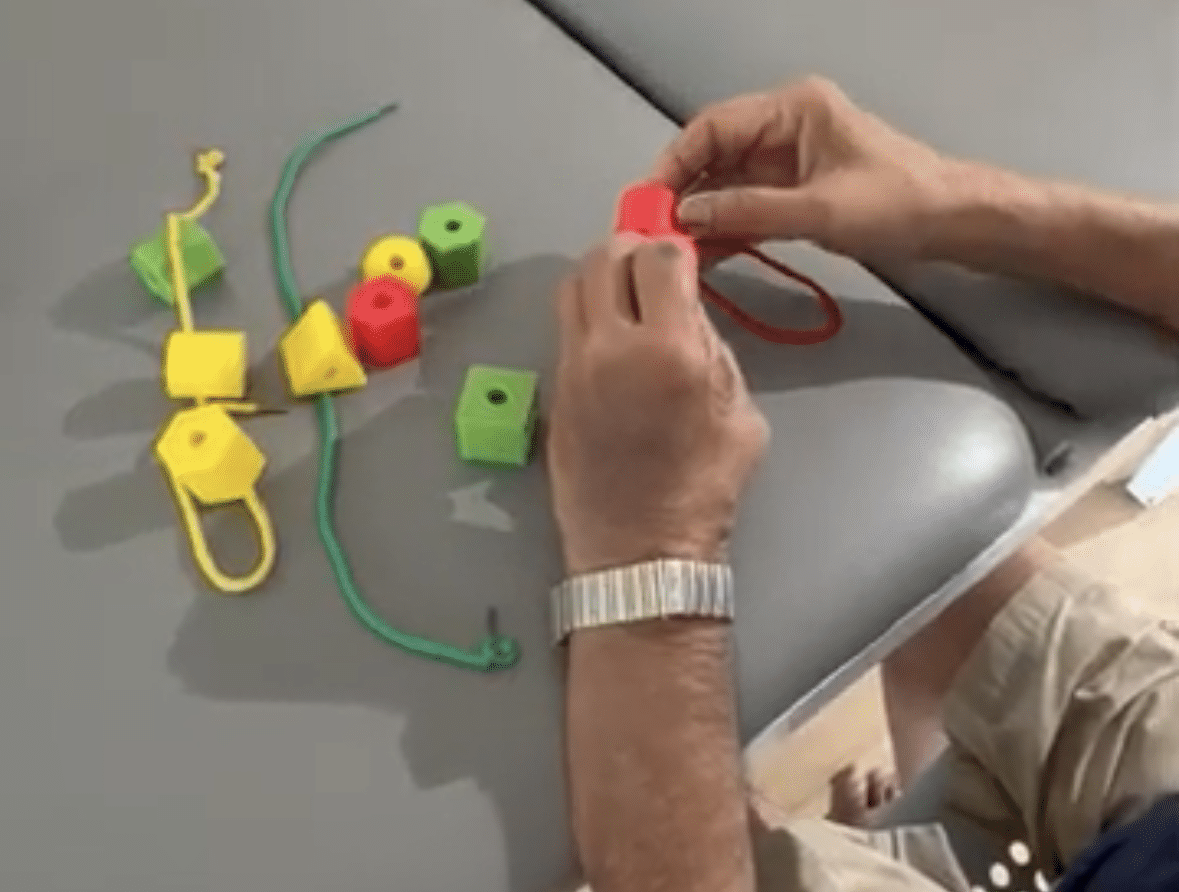
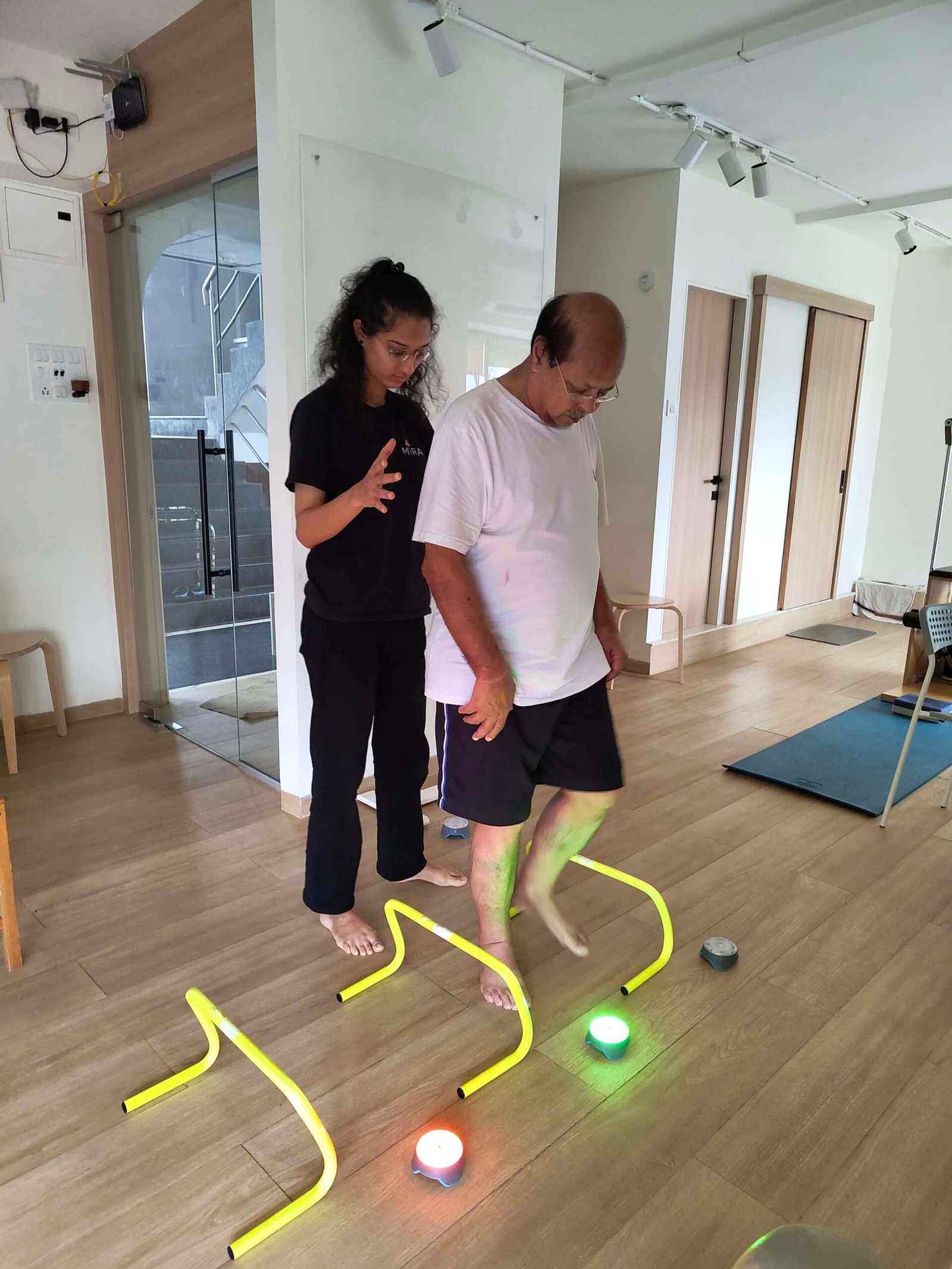

We use:
Recovery takes time but therapy ensures that time isn’t lost.

1. What is a peripheral nerve injury?
It’s damage to the nerves outside the brain and spinal cord often affecting the arms, hands, legs, or face. It can result from trauma, pressure, or surgery.
2. Can nerves grow back?
In many cases, yes. Nerves regenerate slowly about 1 mm/day and therapy helps guide and preserve function while that healing happens.
3. How long does recovery take?
Recovery timelines vary depending on severity and location. Some recover in months; others may need 12–18 months or more. Early and consistent therapy improves outcomes.
4. What if I can’t move the affected limb at all?
That’s common early on. We begin with passive movement, muscle activation techniques, and stimulation until signals start returning or retrain function gradually.
5. Does it help if my nerve injury is old?
Therapy still helps. Even if nerve recovery is partial, we can improve joint function, reduce pain, and train compensation strategies to restore daily activity.
6. Can nerve injuries cause pain or tingling?
Yes. Many people experience pins and needles, burning, or sharp pain. Therapy can help reduce nerve pain using graded exposure, stimulation, and manual techniques.
7. What if I had surgery to repair the nerve?
Post surgical rehab is essential. It prevents stiffness, protects healing, and supports the nerve as it regenerates especially in delicate areas like the hand or foot.
8. Is robotics useful in nerve injury recovery?
Yes for repetitive motion training, hand recovery, or gait retraining where limb control is inconsistent or weak.
9. Can you help if I have facial nerve palsy?
Yes. We work on facial symmetry, eye control, smile training, and expression exercises often after Bell’s palsy or surgical injury.
10. Do I need therapy even if the doctor said to wait and watch?
Yes. “Wait and watch” doesn’t mean “do nothing.” Therapy helps prevent joint contractures, maintain strength, and create a better environment for recovery.