
Neurophysiotherapy at Home | Personalised Care | Miran
Progress can start with the small things, like standing up with more confidence, taking a few steps with support or less difficulty moving around the house. But, for people living with neurological conditions, these everyday activities can be challenging and affect their independence and confidence.
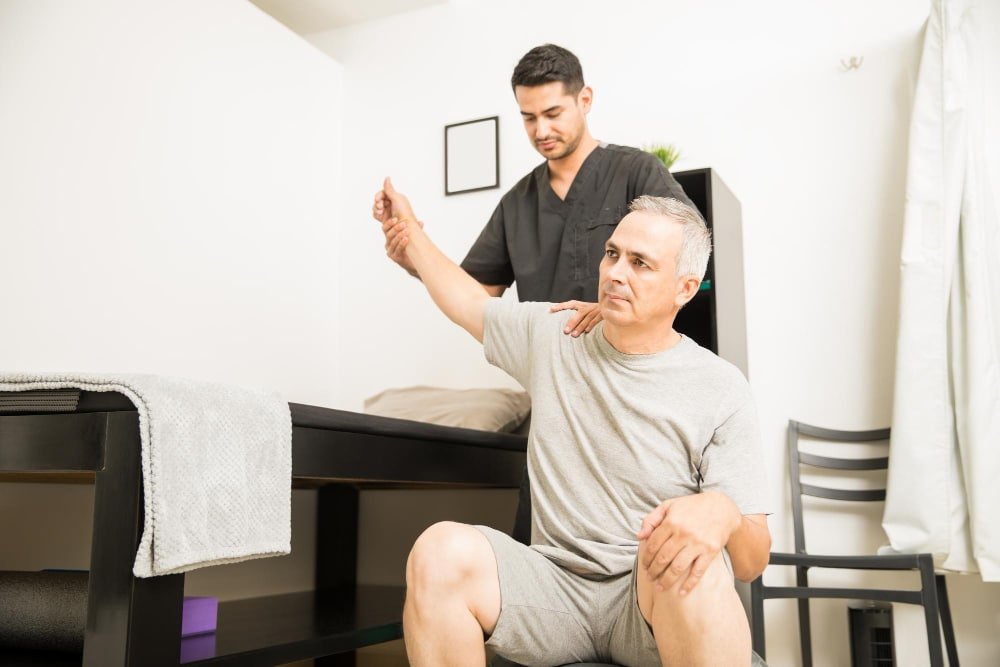
Neurophysiotherapy at home is a practical way to work on these problems in a familiar environment. Instead of focusing only on exercise routines, rehabilitation can be based on the movements that a person needs in their daily life. Patients can achieve realistic goals with professional guidance and an individualised approach that matches their abilities and recovery needs.
For people and families in Santacruz, Mumbai, home-based neurological rehabilitation can also cut down the stress of travelling to regular appointments, especially when mobility or balance is impaired.
Rehabilitation That Starts with Your Daily Routine
Think about getting up from a chair, walking safely to another room or keeping your balance as you turn. These challenges may appear small to others, but they can have a big impact on everyday independence.
A personalised rehabilitation programme will take these difficulties into account before deciding which exercises may be most helpful. The physiotherapist evaluates the patient’s movement, strength, coordination, balance and functional abilities to develop an appropriate plan.
Depending on individual needs, sessions may focus on:
- Practising safe sitting and standing movements.
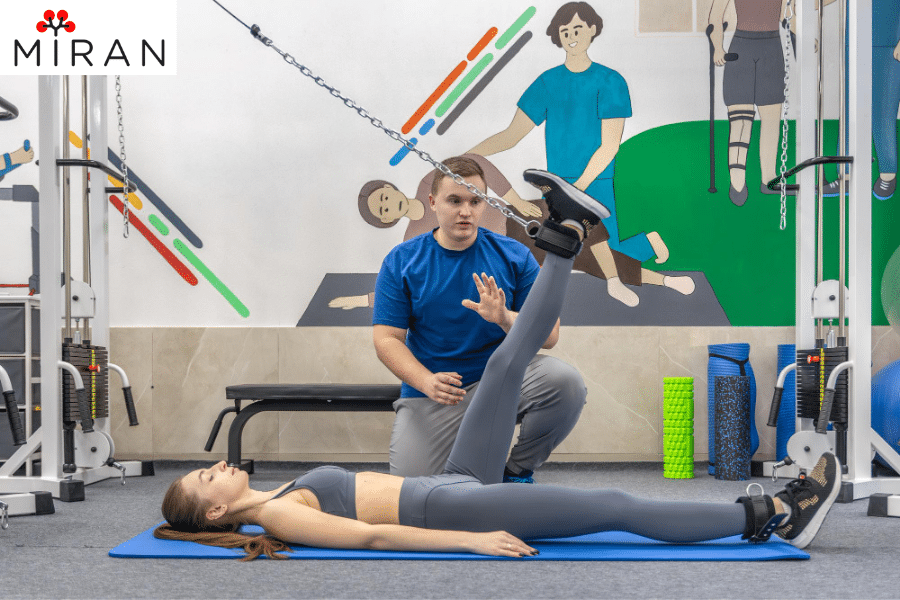
- Improving balance and body coordination.
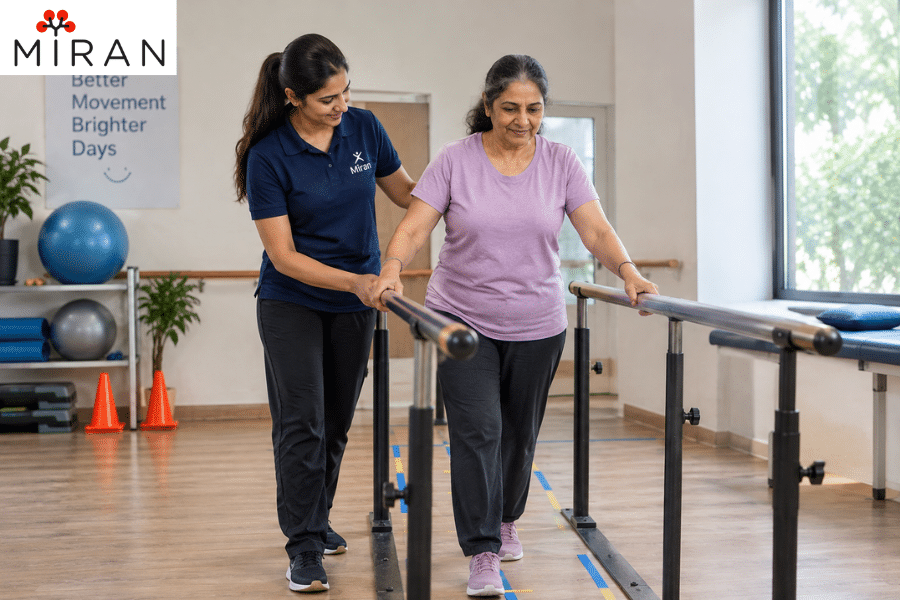
- Developing walking skills with appropriate support.
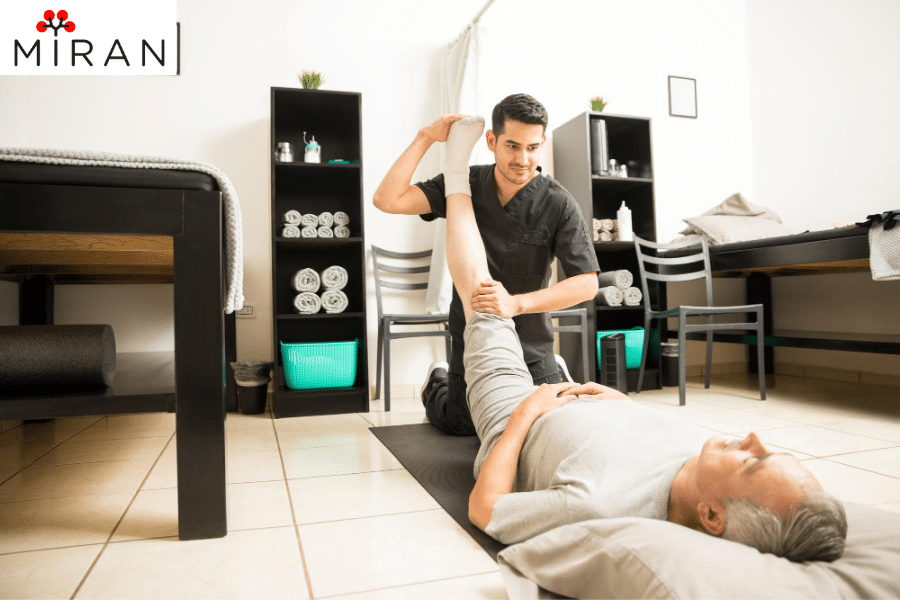
- Maintaining flexibility and addressing movement-related stiffness.
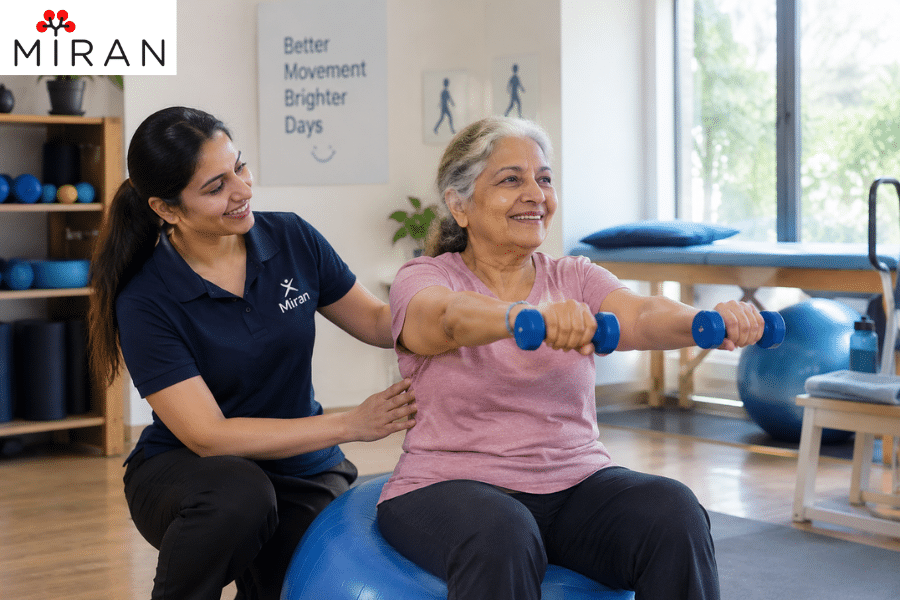
- Improving control during everyday activities.
- Building confidence while performing suitable tasks independently.
The objective is to make rehabilitation relevant to the patient’s life rather than following the same exercise routine for everyone.
What Makes Home-Based Neurophysiotherapy Different?
A home environment provides opportunities to practise movements that patients perform regularly. With appropriate safety measures, rehabilitation activities can connect to the patient’s surroundings and everyday needs.
Practising Movements That Matter
For someone who finds standing difficult, supervised sit-to-stand practice may become an important part of rehabilitation. For another person, controlled stepping, turning, or walking with support may be more relevant. Each activity should match the patient’s current abilities.
Progressing at a Suitable Pace
Neurological recovery can involve changes in strength, coordination, fatigue, and movement control. A physiotherapist can modify exercises, assistance, and activity levels according to the patient’s response. This helps keep the programme appropriate and not unnecessarily demanding.
Making Family Support More Effective
Family members typically want to help their loved ones become independent again. Professional guidance can assist carers to understand safe movement assistance, appropriate positioning and prescribed exercises. This makes it easier to support rehabilitation without putting unnecessary pressure on the patient or carer.
Neurophysiotherapy for Different Neurological Conditions
Neurological conditions can affect movement in different ways, so treatment goals need to reflect the individual’s symptoms and functional needs.
Stroke rehabilitation: Physiotherapy may focus on balance, transfers, walking practice, and functional movement following an assessment.
Parkinson’s disease: Appropriate exercises may address posture, movement initiation, walking, turning, and balance difficulties.
Multiple sclerosis: Rehabilitation may be adapted to mobility challenges, fatigue, strength, and the person’s tolerance for physical activity.
Neurological injuries: Treatment may focus on coordination, movement control, and daily functional skills according to the nature of the injury.
A qualified physiotherapist should assess the patient before recommending specific exercises. Rehabilitation goals and progress vary from person to person, and treatment should complement the advice of the patient’s medical team.
How to Make Every Session More Meaningful
Effective rehabilitation involves more than completing exercises. Patients benefit from having clear, realistic goals and from understanding how their sessions support those goals.
Here are a few ways to create a more productive routine:
- Set achievable targets: Focus on specific activities that matter to the patient.
- Follow professional guidance: Perform exercises according to the prescribed instructions.
- Allow sufficient rest: Activity levels should account for fatigue and individual tolerance.
- Maintain a safe space: Keep walking areas clear and use recommended support where necessary.
- Review progress regularly: Exercises and goals may need adjustment as abilities change.
Consistency is important, but patients should never be pushed beyond safe limits. Sudden weakness, new facial drooping, speech difficulties, or other sudden neurological symptoms require emergency medical attention.
Choosing Neurophysiotherapy at Home in Santacruz
When looking for neurological rehabilitation consider the physiotherapist’s qualifications, experience, assessment process and ability to create an individualised treatment plan. Open communication and regular progress reviews are also vital.
Home visits can make access to rehabilitation more convenient for patients who find travelling tiring or difficult. The treatment can take place in the familiar environment, while the exercises are chosen according to the condition, abilities and available space of the patient.
Discuss the patient’s medical condition, level of mobility, rehabilitation goals and any precautions recommended by the doctor before scheduling a session.
Frequently Asked Questions
What are the benefits of home-based neuro physiotherapy
It reduces the need to travel to a clinic, allows patients to practise relevant movements in a familiar environment, and supports personalised rehabilitation based on individual goals.
Can neuro physiotherapy at home help improve walking and balance?
Yes, a personalised programme may include supported walking practice, balance exercises, coordination activities, and functional movement training, depending on the patient's abilities.
Is neuro physiotherapy at home suitable for stroke patients?
It may help stroke patients work towards improving functional movement, balance, transfers, and walking ability. Treatment should be tailored to their recovery stage and medical needs.
Healthy Tips: Take the Next Step with Miran
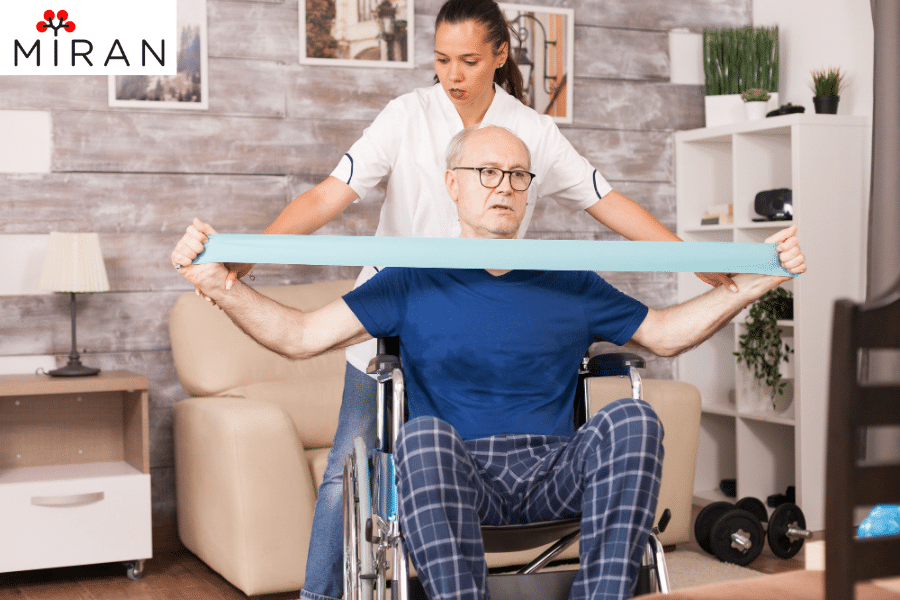
Everyday movement plays an important role in independence, confidence, and quality of life. With suitable rehabilitation, patients can work to improve their functional abilities at a pace that is appropriate for their condition.
Miran Neurophysiotherapy and Rehab, located in Santacruz West, Mumbai, offers support to individuals seeking personalised neurological rehabilitation. For patients who have difficulty travelling to a clinic, home visit physiotherapy may be a convenient option, subject to availability and individual requirements.
If you are looking for neurophysiotherapy at home in Santacruz, contact Miran to discuss your rehabilitation needs and enquire about home visit services. Whether the goal is to improve balance, practise walking, or manage everyday movement difficulties, an individualised approach can help make rehabilitation more relevant to daily life.
Image Reference: Magnific
Disclaimer: All trademarks, logos, and brand names are the property of their respective owners. All company, product, and service names used on this website are for identification purposes only. Use of these names, trademarks, and brands does not imply endorsement.