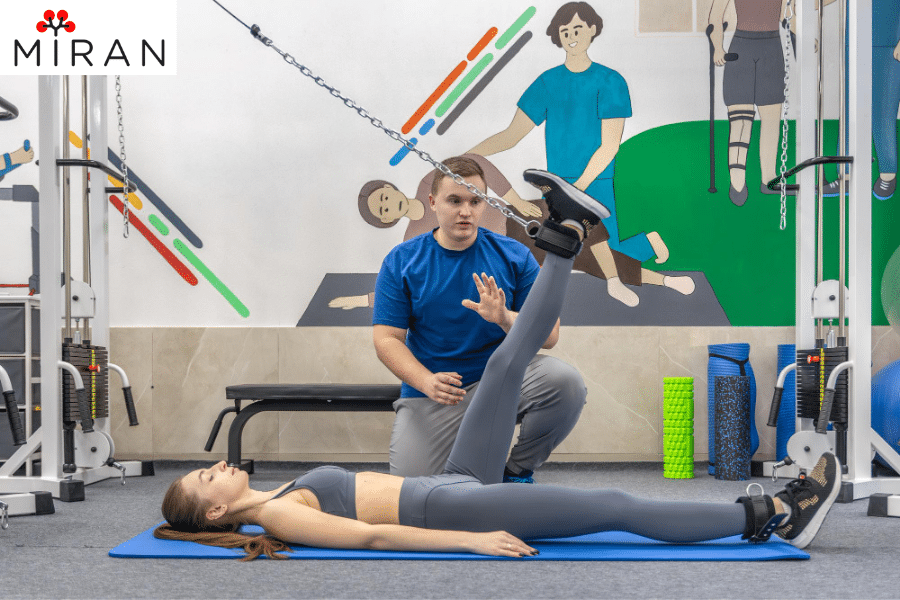

Movement Disorders | Support Better Movement | Miran
Movement problems can affect more than walking. Activities such as standing up, turning around, climbing stairs or holding an object may be difficult. These difficulties can impact confidence, independence and day-to-day comfort for those who have Parkinson’s, dystonia, tremor or other neurological movement conditions.
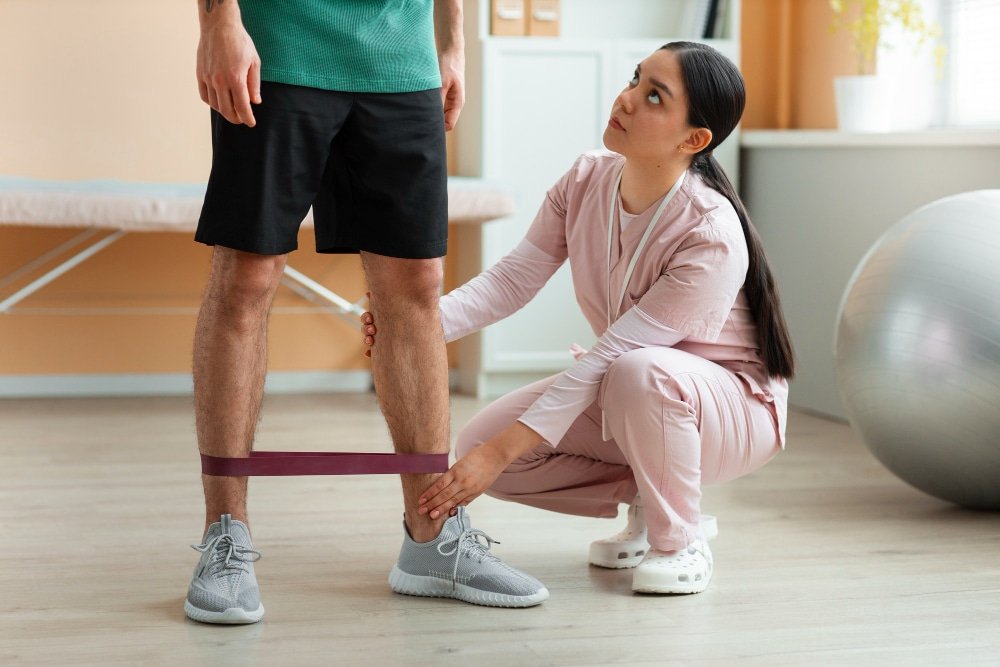
But every person is different and experiences movement disorders differently. Some people have trouble with their balance. Others have muscle stiffness, less coordination or difficulty getting started. This is why Neurophysiotherapy for Movement Disorders needs to be a personal approach, not a standard exercise routine. A rehab plan that matches a person’s abilities, symptoms and day-to-day needs can help make it more relevant and manageable.
Why One Rehabilitation Plan Cannot Suit Everyone
Two people diagnosed with the same condition can have completely unique movement problems. Their age, strength, medical history, symptoms and home environment may all have an impact on their rehabilitation needs.
For example, one person may need help with walking safely, and another may need exercises to improve flexibility and coordination. Someone else might struggle to get up from a chair or turn over in bed.
An individualised rehabilitation plan takes these differences into account and targets the activities that are most important to the individual.
It may address:
- Balance and stability: Supporting safer standing, turning, and walking.
- Muscle stiffness: Using suitable movement exercises to improve mobility.
- Coordination: Practising controlled movements for everyday tasks.
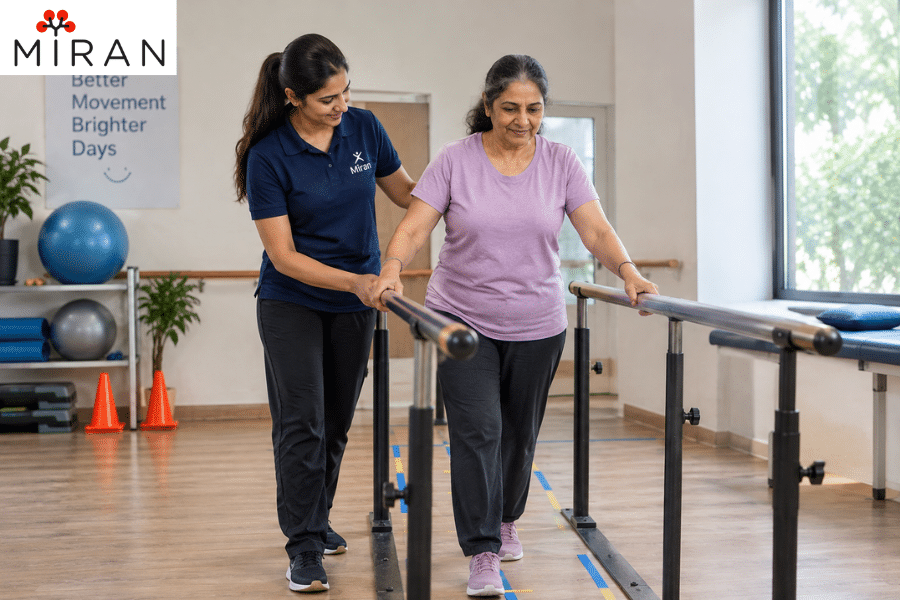
- Walking difficulties: Working on step length, rhythm, and movement initiation where appropriate.
- Functional independence: Practising activities such as getting out of bed, dressing, or using stairs.
By identifying specific difficulties, Neurophysiotherapy for Movement Disorders can focus on practical goals instead of relying on exercises that may not match a person’s needs.
Inside a Personalised Rehabilitation Plan
An effective programme typically develops through assessment, goal-setting, guided practice, and regular review. Each stage helps the physiotherapist understand the person’s needs and how the programme should develop.
- Understanding the Person, Not Just the Diagnosis
The first step is a detailed assessment of movement, posture, balance, muscle strength, coordination, walking ability, and functional limitations. The physiotherapist may also ask about fatigue, falls, medication timing, and activities that feel particularly difficult.
This information helps identify areas that need attention and exercises that you can perform safely.
- Setting Goals That Matter in Daily Life
Rehabilitation becomes more meaningful when goals relate to real situations. Instead of focusing only on improving strength, a person might work towards standing from a chair with greater control or walking to the nearby shop with the appropriate support.
Goals should be realistic, measurable, and adjusted as abilities change. Small improvements in daily activities can make rehabilitation feel more achievable.
- Choosing the Right Exercises and Techniques
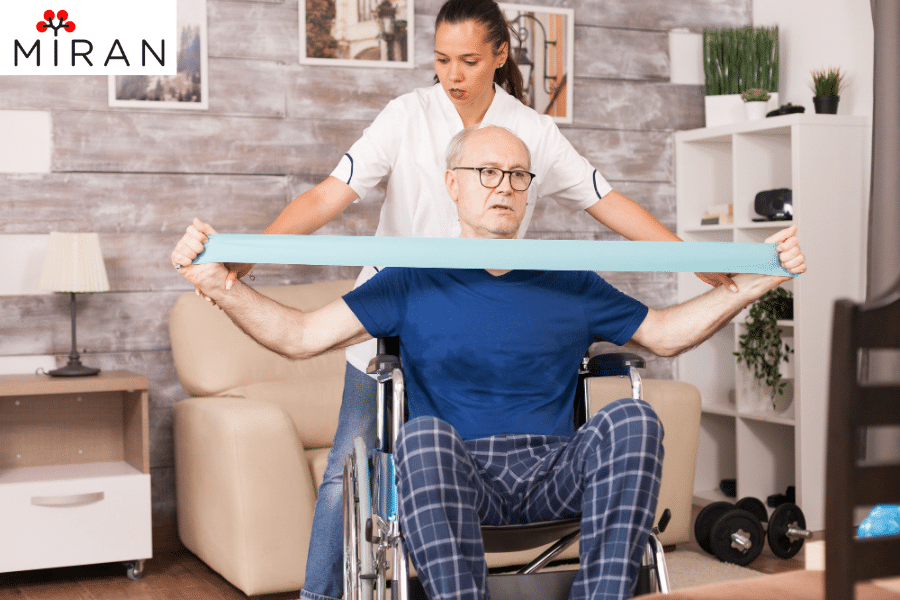
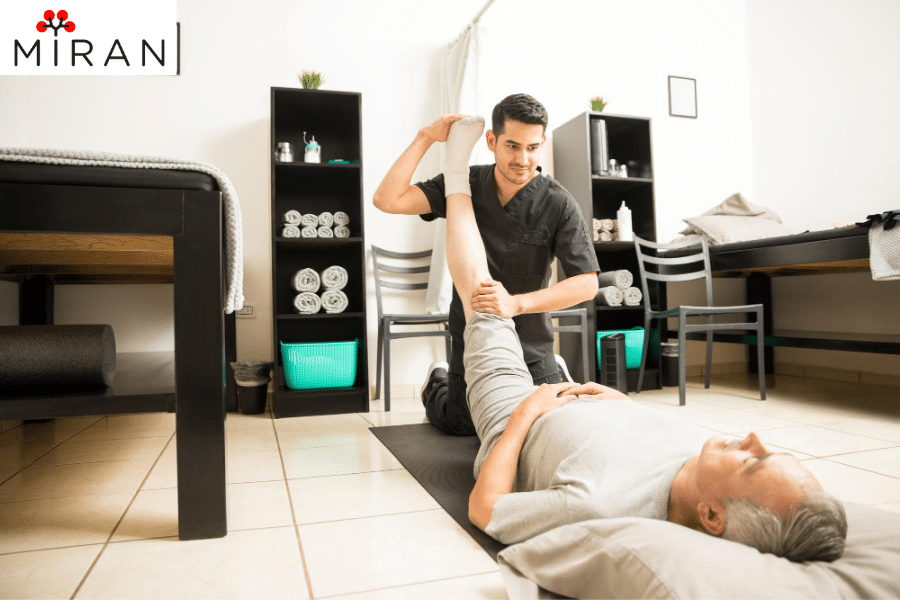
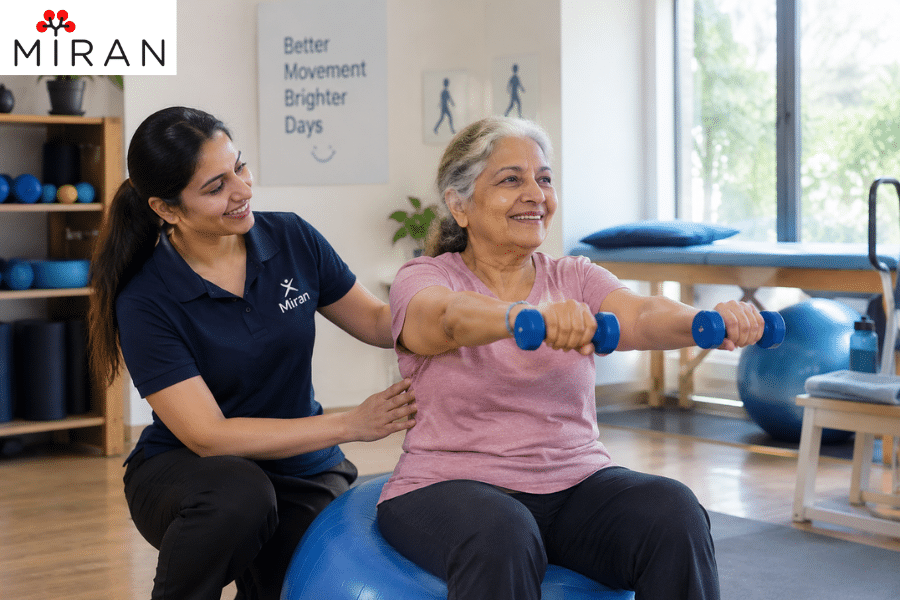
Depending on the assessment, a programme may involve balance training, gait practice, mobility exercises, posture correction, strength training and task-specific movement practice.
For example, a person with freezing episodes while walking might benefit from strategies using visual cues, rhythmic cues, or movement sequencing with the help of a professional. A person with balance problems might require supervised weight-shifting exercises and controlled turning practice.
Neurophysiotherapy for Movement Disorders requires the selection of techniques that are relevant to the individual’s condition, tolerance and functional goals. Always think about your safety and your ability before you copy someone else’s routine.
- Reviewing Progress and Making Adjustments
Movement symptoms and physical abilities can change over time. A manageable exercise a few weeks ago may become too difficult, while an improved skill may allow the person to progress to a new challenge.
Regular reviews help the physiotherapist modify exercise intensity, introduce new activities, and address emerging difficulties. This flexibility keeps the programme relevant instead of allowing it to become repetitive or unsuitable.
Turning Therapy Into Everyday Improvement
Progress in rehabilitation is not measured only by the number of repetitions completed during a session. What matters is whether the person can apply movement skills to everyday life.
Consider someone who has difficulty getting up from a chair. Therapy may involve practising forward weight shifting, positioning the feet correctly, and standing with controlled movements. With appropriate supervision and regular practice, these strategies may help the person perform the activity more confidently.
Similarly, practising safe turns, navigating familiar spaces, or following a structured walking routine may support greater participation in daily activities.
The purpose of Neurophysiotherapy for Movement Disorders is to connect exercises with meaningful functional goals. Progress varies from person to person, and while improvements cannot be guaranteed, consistent, appropriate rehabilitation can help people work towards better mobility and independence.
How Families Can Support the Process
Family members and carers can play an important role in developing a supportive rehabilitation environment. They can promote prescribed exercises, help keep walking areas clear of obstacles and offer assistance when advised by the health care team.
A few simple practices can help:
- Follow the physiotherapist’s home exercise programme.
- Use prescribed walking aids and safety equipment as appropriate.
- Allow movement, no rushing.
- Report any falls, new symptoms, unusual fatigue or increasing difficulty.
- Celebrate the small steps, not the instant results.
Carers should not push movements or introduce difficult exercises without professional help.
Frequently Asked Questions
What is neurophysiotherapy for movement disorders?
Neurophysiotherapy for movement disorders is a specialised rehabilitation approach that helps address movement difficulties, balance problems, muscle stiffness, and coordination challenges associated with neurological conditions.
Who can benefit from movement disorder rehabilitation?
People with Parkinson's disease, dystonia, tremors, and other neurological conditions affecting movement may benefit from personalised rehabilitation based on their individual needs.
What are the benefits of neurophysiotherapy for movement disorders?
It may help improve mobility, balance, posture, coordination, walking ability, and performance of everyday activities, depending on the person's condition.
Healthy Tips – Building a Plan Around Individual Needs

Movement disorders can present different challenges at different stages, making personalised rehabilitation especially valuable. The right plan considers the person’s symptoms, abilities, priorities, and changing needs while keeping safety at the centre of care.
At Miran Neuro Physiotherapy and Rehab, Santacruz, Neurophysiotherapy for Movement Disorders can be approached with a focus on individual assessment, functional goals, and guided rehabilitation. With professional support and a suitable plan, individuals can work towards improving movement confidence, maintaining independence, and participating more comfortably in everyday life.
Image Reference: Magnific
Disclaimer: All trademarks, logos, and brand names are the property of their respective owners. All company, product, and service names used on this website are for identification purposes only. Use of these names, trademarks, and brands does not imply endorsement.