
Senior Exercise Programs | Improve Mobility | Miran
The body changes a lot as we age, but we can still stay active and live independently. When strength, balance, and flexibility start to go down, it can be harder to do things like walk to the store, climb stairs, get out of a chair, or spend time with family.
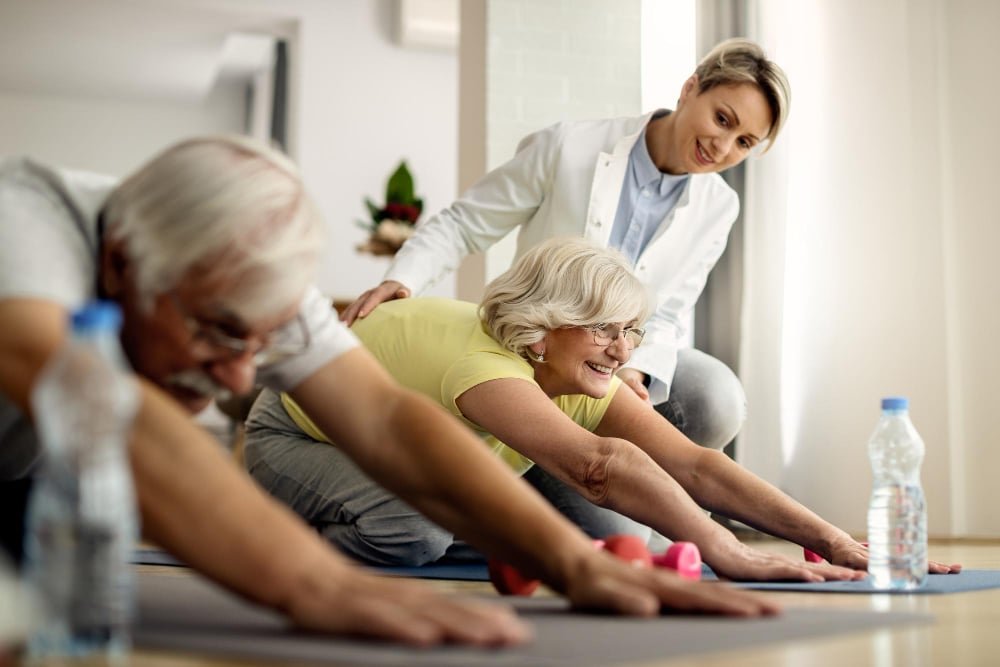
The encouraging news is that older people can keep their skills up and feel more confident in their daily lives by staying active. Senior exercise programmes give people a structured way to improve their strength, coordination, balance, and mobility, based on their needs. Staying active can be a manageable and fun part of daily life if you do the right exercises and get help from a professional.
Why Movement Matters More as We Age
Getting active is about more than fitness. It may help older people keep the skills they need to do everyday activities and take part in the things they enjoy.
Regular physical activity and exercise can help with muscle strength, flexibility of joints, cardiovascular health and balance. These skills are relevant for everyday activities, like carrying a few light shopping bags or walking on various surfaces. Physical activity can also improve sleep, mood and general wellbeing.
If you don’t move regularly, your muscles can gradually become weaker, your joints may feel stiffer and some activities may take more effort. Senior exercise programmes can help fight these changes by offering planned activities that adapt to different fitness levels.
The aim is not to work beyond the capacity of the body. The goal is to move with intention, safely and consistently.
Four Essential Areas Every Senior Exercise Routine Should Include
An effective exercise routine should support the movements older adults use throughout the day. The right combination depends on individual health, mobility, and fitness levels.
- Strength for Everyday Independence
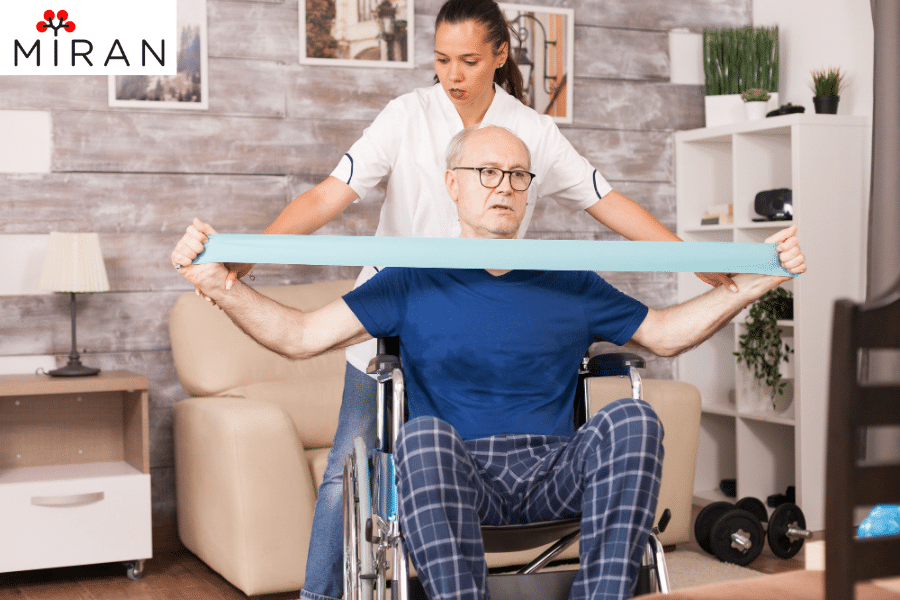
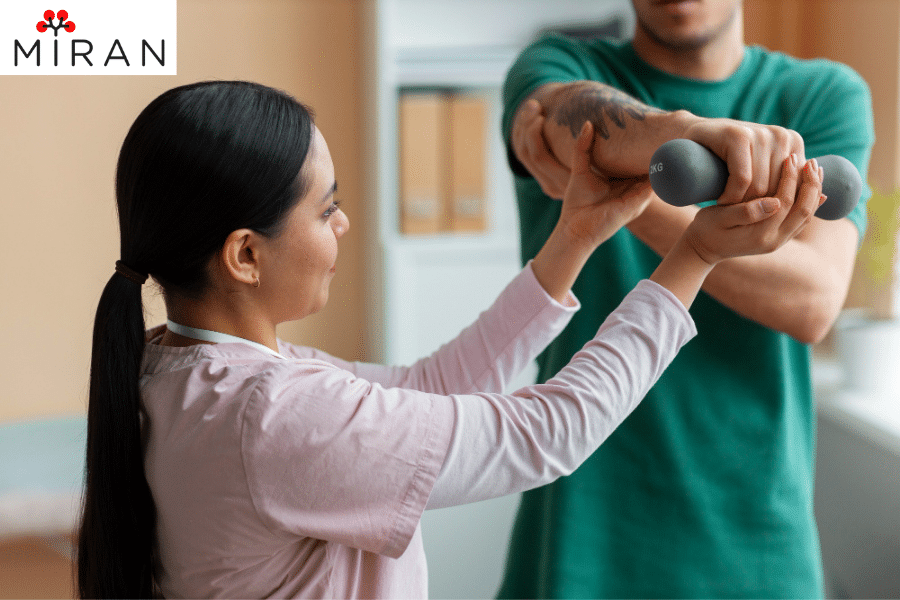
Muscle strength plays an important role in standing up, climbing stairs, lifting light objects, and maintaining posture. Gentle resistance exercises, supported squats, and sit-to-stand practice may help improve the strength needed for these activities.
Building strength gradually can make everyday movements feel more manageable. Exercises should be selected according to physical ability, with support provided whenever necessary.
- Balance for Greater Confidence
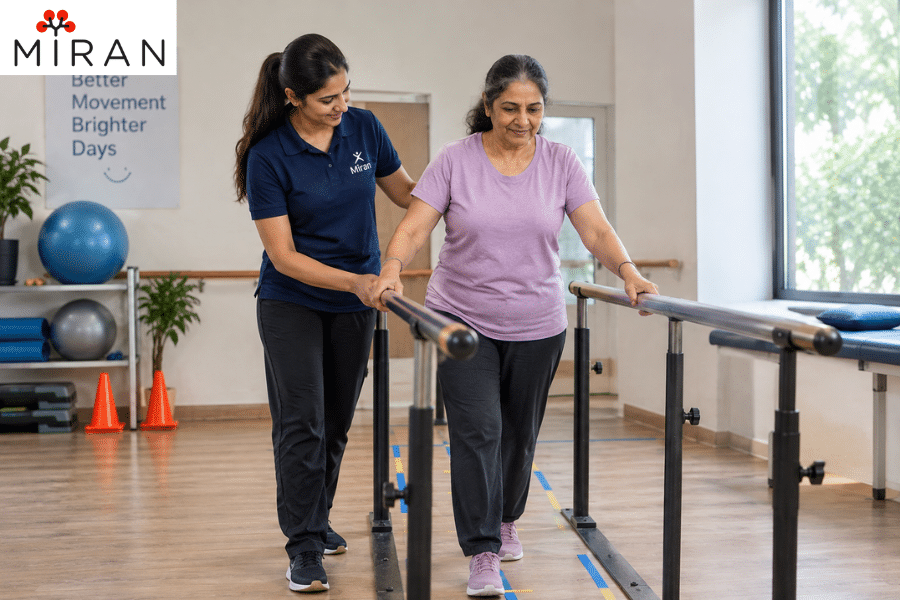
Changes in balance can make walking, turning, or moving across uneven surfaces feel less secure. Balance training may include supported standing, controlled weight shifting, and carefully supervised stepping exercises.
These activities help individuals practise body control and coordination. Senior exercise programs that include appropriate balance training can support safer movement, although no exercise routine can eliminate every risk of falling.
- Flexibility for Comfortable Movement
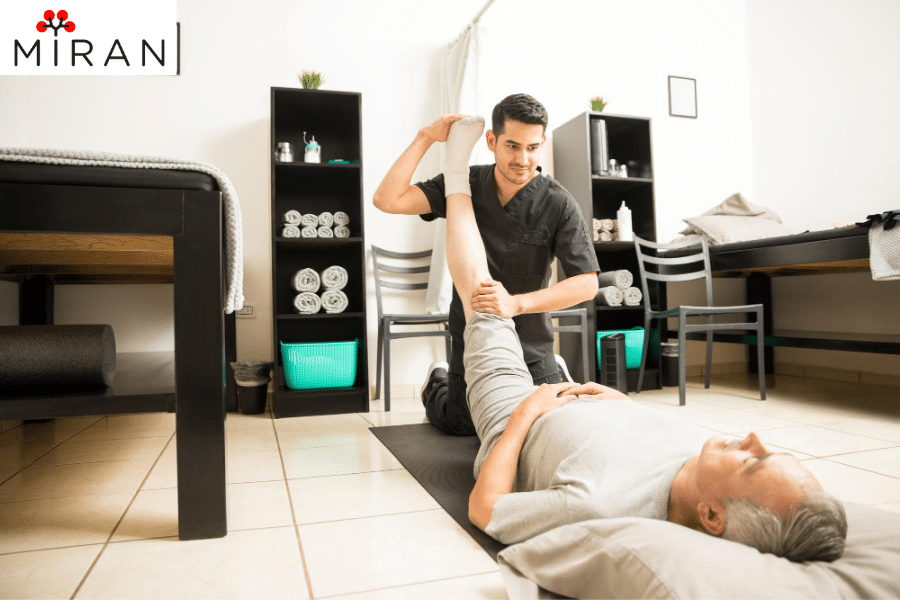
Stiffness can affect how easily a person bends, reaches, or turns. Gentle stretching and controlled joint movements can help maintain flexibility and make everyday activities more comfortable.
A consistent routine may include movements for the shoulders, hips, ankles, and back, depending on the person’s needs. Exercises should never be forced through sharp pain or discomfort.
- Endurance for Staying Active Longer
Walking, stationary cycling, and other suitable aerobic activities can help improve endurance. Better stamina may make it easier to complete daily tasks without feeling tired as quickly.
The duration and intensity should increase gradually. Older adults who have been inactive or have existing health concerns should seek professional advice before beginning a new exercise routine.
Choosing Exercises That Match Your Abilities
No single routine works for everyone in exactly the same way. Some older adults are able to walk alone and may need help to build their strength. Others may have stiff joints, poor coordination or limited movement following illness or injury.
Well-designed senior exercise programmes take these differences into account. A physiotherapist can assess movement, balance, flexibility and strength and suggest appropriate activities.
If you feel unsteady, you can start with exercises using a solid support or seated movements. As your control improves, the programme may gradually include more challenging activities. Individuals recovering from surgery or neurological conditions may require additional precautions and condition-specific rehabilitation.
This personalised approach makes exercise more practical, comfortable and relevant to real life goals.
Making Exercise a Habit, Not a Chore
The most useful routine is one that can be followed consistently. Older adults can begin with short periods of suitable activity and increase gradually as their tolerance improves.
A few simple habits can make exercise easier to maintain:
- Choose activities that feel enjoyable and comfortable.
- Include movement breaks during long periods of sitting.
- Follow the recommended technique rather than rushing through exercises.
- Use prescribed supports and assistance when required.
- Allow time for rest and recovery between sessions.
Consistency matters more than attempting difficult exercises immediately. If an activity causes unusual pain, dizziness, chest discomfort, or significant breathlessness, stop and seek appropriate medical advice.
Frequently Asked Questions
What are senior exercise programs?
Senior exercise programs are structured physical activity routines designed to help older adults improve strength, balance, flexibility, endurance, and mobility for everyday activities.
What are the benefits of senior exercise programs?
They can help older adults maintain muscle strength, improve balance, support joint flexibility, build endurance, and maintain independence in daily life.
Which exercises are best for senior citizens?
Suitable exercises may include walking, gentle stretching, supported balance exercises, sit-to-stand practice, and light resistance training, depending on individual abilities and health conditions.
Healthy Tips – Stay Active with the Right Support at Miran
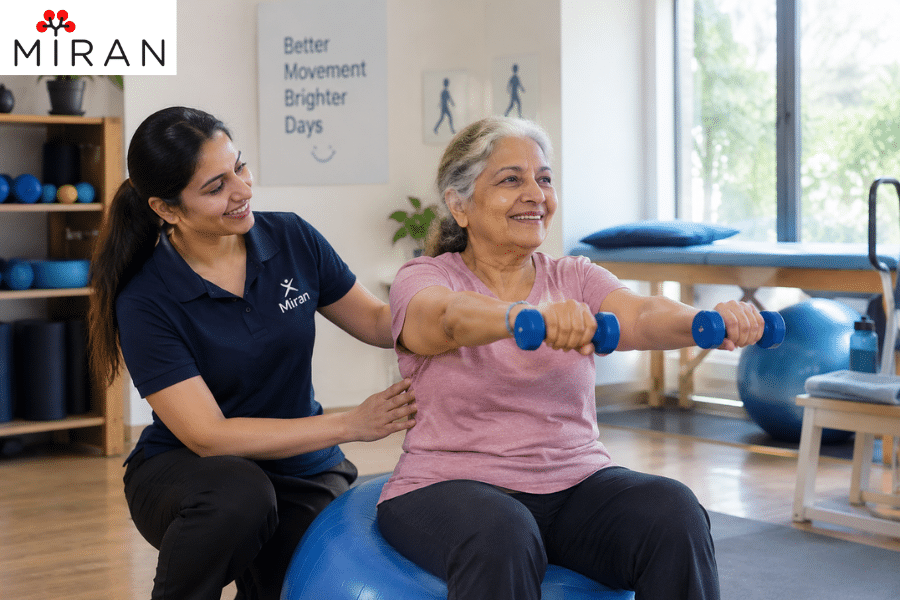
Ageing should not stop people from working towards better mobility, strength, and independence. With appropriate guidance, regular practice, and realistic goals, older adults can continue developing the physical skills that support everyday living.
At Miran Neuro Physiotherapy and Rehab, Santacruz, individualised physiotherapy can help older adults work on balance, strength, flexibility, and functional movement according to their abilities and needs. Suitable senior exercise programs can form part of this approach, helping individuals work towards greater confidence and participation in daily activities. Starting a guided routine can be a positive step towards healthier, more active ageing.
Image Reference: Magnific
Disclaimer: All trademarks, logos, and brand names are the property of their respective owners. All company, product, and service names used on this website are for identification purposes only. Use of these names, trademarks, and brands does not imply endorsement.