Spinal Cord Rehab Comes With Questions
Here Are the Most Important Ones
1. Can someone with an incomplete spinal cord injury walk again?
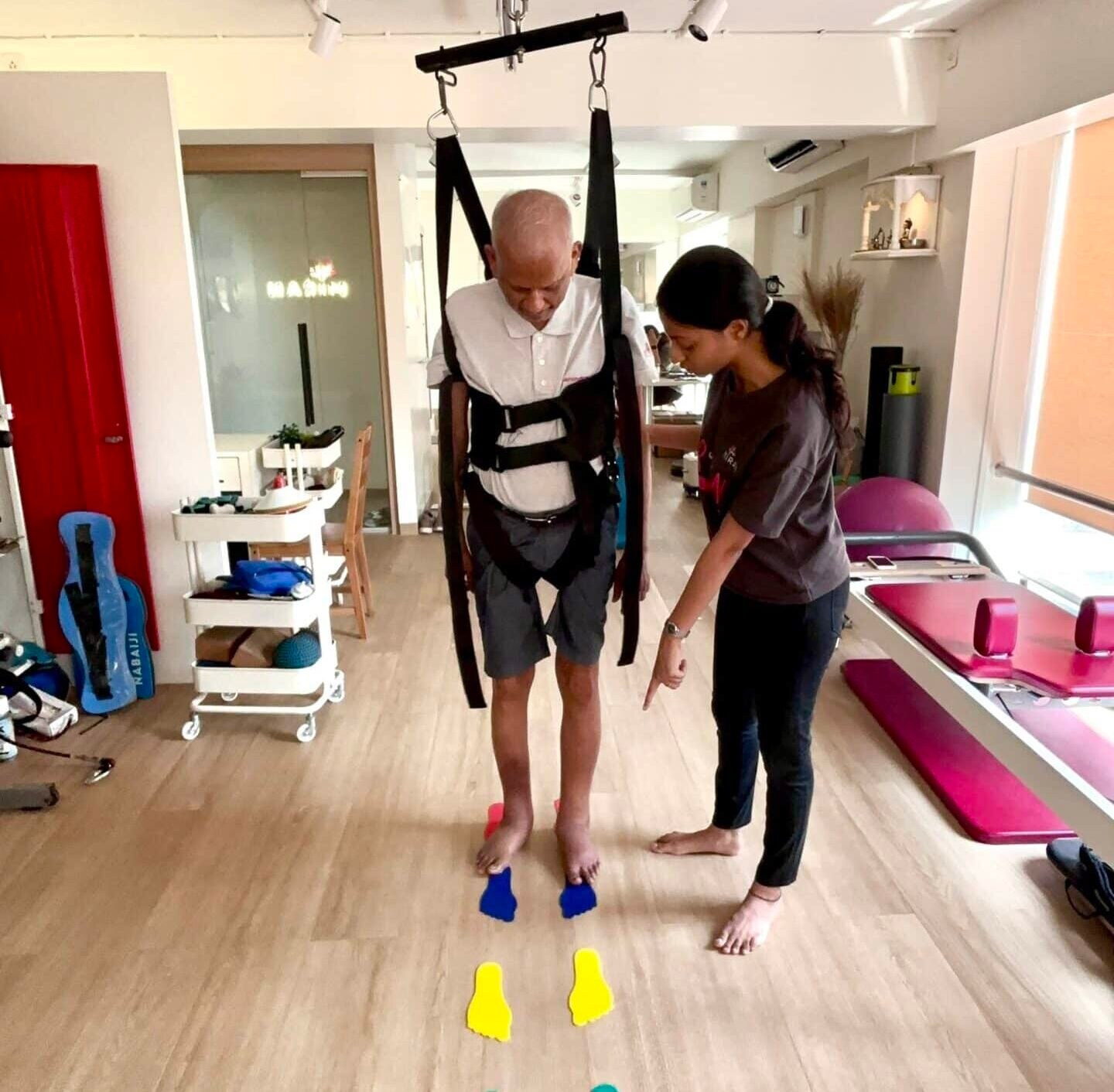
Sometimes, it depends on the injury level and rehab consistency. We focus on improving whatever function is possible: sitting, standing, transfers, or walking.
2. What does an incomplete injury mean?
It means the spinal cord isn’t fully damaged some messages between brain and body may still pass through. This gives more potential for recovery with therapy.
3. Is rehab still helpful even years after injury?
Yes. With consistent physiotherapy, people often improve posture, strength, and even regain small functions even long after the initial injury.
4. Can aquatherapy help with spinal cord injury?
Absolutely. The water supports the body, allows safer movement, and reduces fear of falling making it ideal for trunk and balance work.
5. How often should therapy be done?
That depends on the severity and goals. We usually recommend 2 to 4 sessions a week at the beginning, which may change as strength builds.
6. What if my upper body is fine but my legs aren’t?
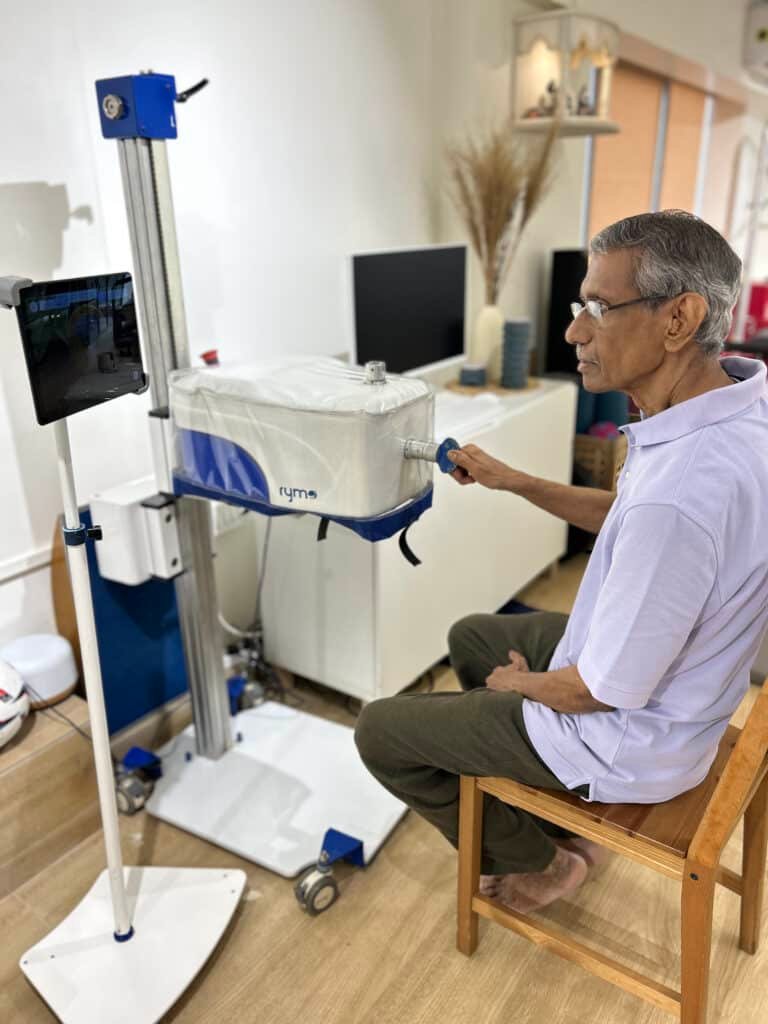
That’s common. We’ll use your upper body to assist in trunk control, transfers, and eventually support lower limb retraining using robotics, aquatherapy, or land-based therapy.