Treatment for Facial Palsy | Personalised Neuro Rehabilitation | Miran
A smile is one of the most important ways we express our feelings. It enables us to express emotions, gain confidence and forge social links. Facial palsy is a condition that affects the muscles in the face, making simple actions like smiling, blinking, speaking or eating difficult. The condition can be overwhelming, but rehabilitation can make a remarkable difference if done in a timely manner. If you are seeking facial palsy treatment in Santacruz, specialised neurophysiotherapy offers a systematic, evidence-based approach to regaining facial movement and improving your quality of life.
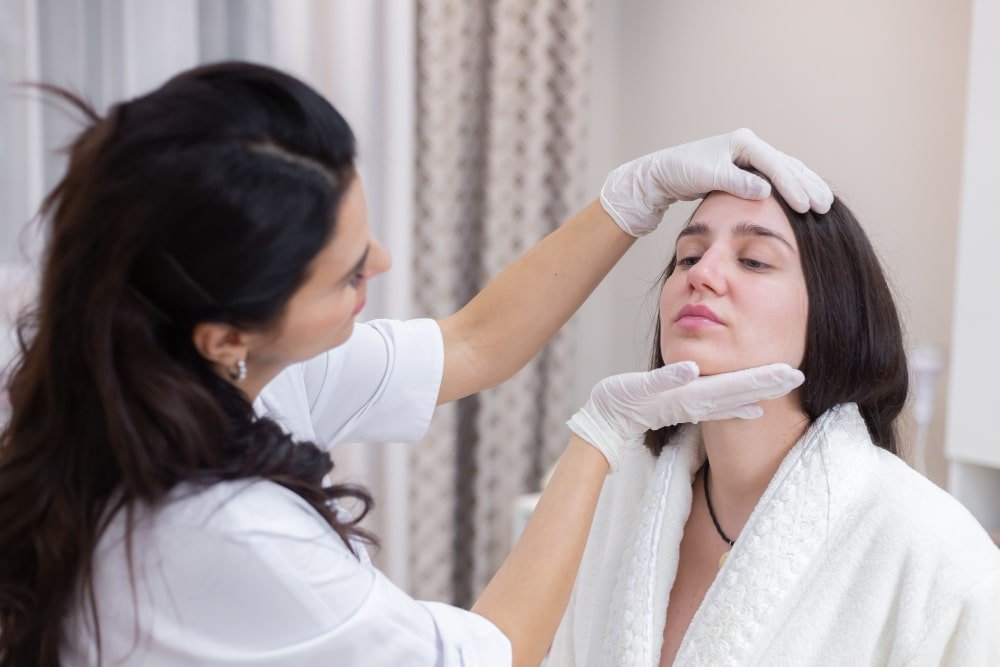
Rather than focusing only on symptoms, neurophysiotherapy for facial palsy aims to retrain facial muscles, improve nerve function, and help patients regain confidence in their daily lives.
What Is Facial Palsy?
Facial palsy is when the facial nerve is damaged or inflamed, causing the muscles of the face to weaken or become paralysed. The condition can affect one or both sides of the face and can develop suddenly or gradually depending on the underlying cause.
Some of the common causes include:
- Bell’s Palsy
- Stroke
- Traumatic Brain Injury (TBI)
- Facial nerve paralysis
- Brain tumours
- Viral diseases
- Neurological Diseases
Although every case is different, early rehabilitation plays a significant role in improving recovery outcomes.
Common Signs You Shouldn’t Ignore
People experiencing facial palsy may notice several symptoms that interfere with everyday activities.
These include:
- Difficulty smiling naturally
- Drooping on one side of the face
- Trouble closing one eye
- Difficulty speaking clearly
- Problems chewing or drinking
- Reduced facial expressions
- Facial muscle weakness
- Eye watering or dryness
If these symptoms appear suddenly, seeking medical attention followed by treatment for facial palsy in Santacruz can help begin the recovery process without unnecessary delay.
Why Neuro Physiotherapy Is Essential
Neurophysiotherapy for facial palsy is not similar to general exercise programmes, as it is specifically designed to re-establish communication between the brain, facial nerves and muscles.
A neurophysiotherapist carefully evaluates the following:
- Facial muscle strength
- Muscle symmetry
- Facial movement patterns
- Eye closure ability
- Speech-related muscle function
- Functional activities like eating and drinking
Using this assessment, a personalised rehabilitation programme is created based on each patient’s recovery stage.
How Neurophysiotherapy Helps Recovery
Facial Muscle Re-education – Specific exercises help weakened facial muscles learn to contract correctly again. These movements gradually improve facial symmetry and muscle control.
Improving Facial Expressions – Patients practise smiling, raising eyebrows, puckering lips, and other functional movements to restore natural facial expressions.
Preventing Muscle Tightness – As nerves recover, some muscles may become excessively tight or develop abnormal movement patterns. Guided therapy helps to minimise these complications and encourages balanced muscle activity.
Better Eye Protection – Difficulty closing the eye is common in facial palsy. Therapy includes exercises and protective techniques that support safer eye function during recovery.
Speech and Swallowing Support – Facial weakness can affect both speech clarity and eating. Neuro physiotherapy often works alongside speech therapy to improve oral muscle coordination and functional communication.
Personalised Rehabilitation Makes the Difference
Everyone has a different recovery from facial palsy. Depending on the severity of the nerve involvement, some recover in weeks and others require longer rehabilitation.
That is why treatment for facial palsy in Santacruz should always be personalised.
At Miran, rehabilitation programmes may include:
- Neuro Physiotherapy
- Facial muscle retraining
- Functional movement therapy
- Mirror therapy
- Neuromuscular re-education
- Posture correction
- Balance and coordination training when associated neurological conditions are present
- Speech therapy if required
- Occupational therapy for functional independence
Every treatment plan is goal-orientated and regularly modified as recovery progresses.
Who Can Benefit from Treatment?
Specialised treatment for facial palsy in Santacruz is beneficial for individuals recovering from:
- Bell’s Palsy
- Stroke-related facial weakness
- Traumatic brain injury
- Facial nerve injury
- Neurological disorders affecting facial muscles
- Post-surgical facial weakness
Whether symptoms are mild or severe, early intervention often leads to better functional outcomes.
What Makes Recovery Successful?
Successful rehabilitation depends on several important factors:
- Early diagnosis
- Consistent physiotherapy sessions
- Correct facial muscle exercises
- Regular monitoring by experienced neurophysiotherapists
- Patient commitment to home exercise programmes
The brain and facial nerves have an incredible ability to adapt through neuroplasticity. With structured rehabilitation, many patients experience noticeable improvements in movement, facial symmetry, and confidence over time.
Looking Beyond Physical Recovery
Facial palsy is so much more than just looks. Many people have less confidence and suffer from anxiety and hesitation in social situations. Comprehensive rehabilitation also deals with the emotional aspect and functional recovery. It helps patients regain their confidence to smile, speak and interact with others.
The ultimate aim isn’t just to restore movement in the face but to help people get back to work, family life and social activities with greater independence and confidence.
Frequently Asked Questions
Can physiotherapy help with facial palsy?
Yes. Specialised neuro physiotherapy can help retrain facial muscles, improve movement and coordination, and support better facial symmetry.
What exercises are used for facial palsy?
Depending on the condition, therapy may include gentle facial muscle re-education, controlled smiling, eyebrow movements, lip exercises and other functional movements.
Can facial palsy affect speaking and eating?
Yes. Facial weakness can affect speech, chewing and drinking. Physiotherapy may be combined with speech therapy when additional support is required.
Healthy Tips
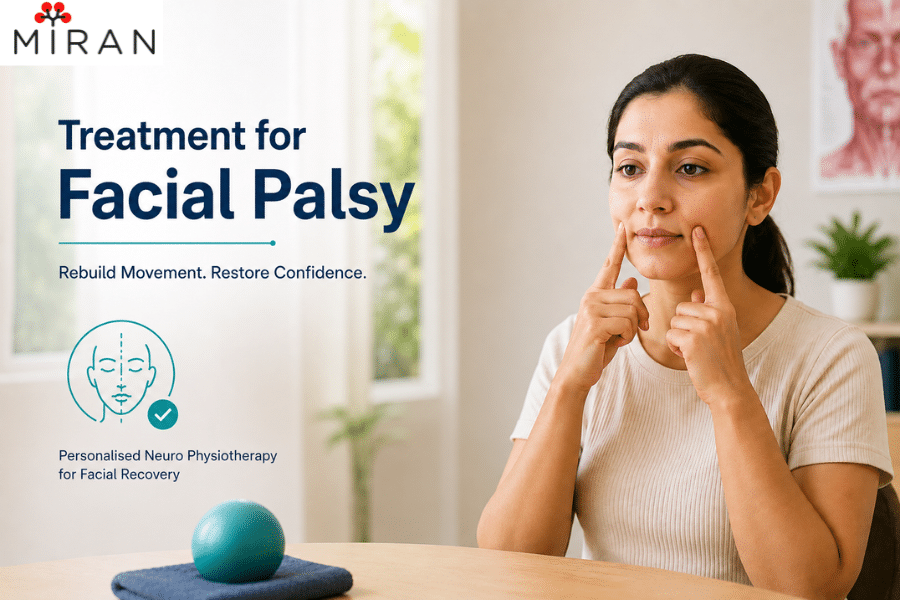
Recovering from facial palsy requires specialised care, patience, and a personalised rehabilitation plan. Choosing the right treatment for facial palsy in Santacruz can significantly improve facial movement, muscle coordination, speech, and overall confidence. At Miran Neuro Physiotherapy and Rehab, Santacruz, our experienced multidisciplinary team provides personalised neurophysiotherapy for facial palsy, along with speech therapy, occupational therapy, and advanced neurorehabilitation techniques to support every stage of recovery. Our goal is to help every individual regain facial function, restore confidence, and return to living life with a smile.
Image Reference: Magnific
Disclaimer: All trademarks, logos, and brand names are the property of their respective owners. All company, product, and service names used on this website are for identification purposes only. Use of these names, trademarks, and brands does not imply endorsement.