
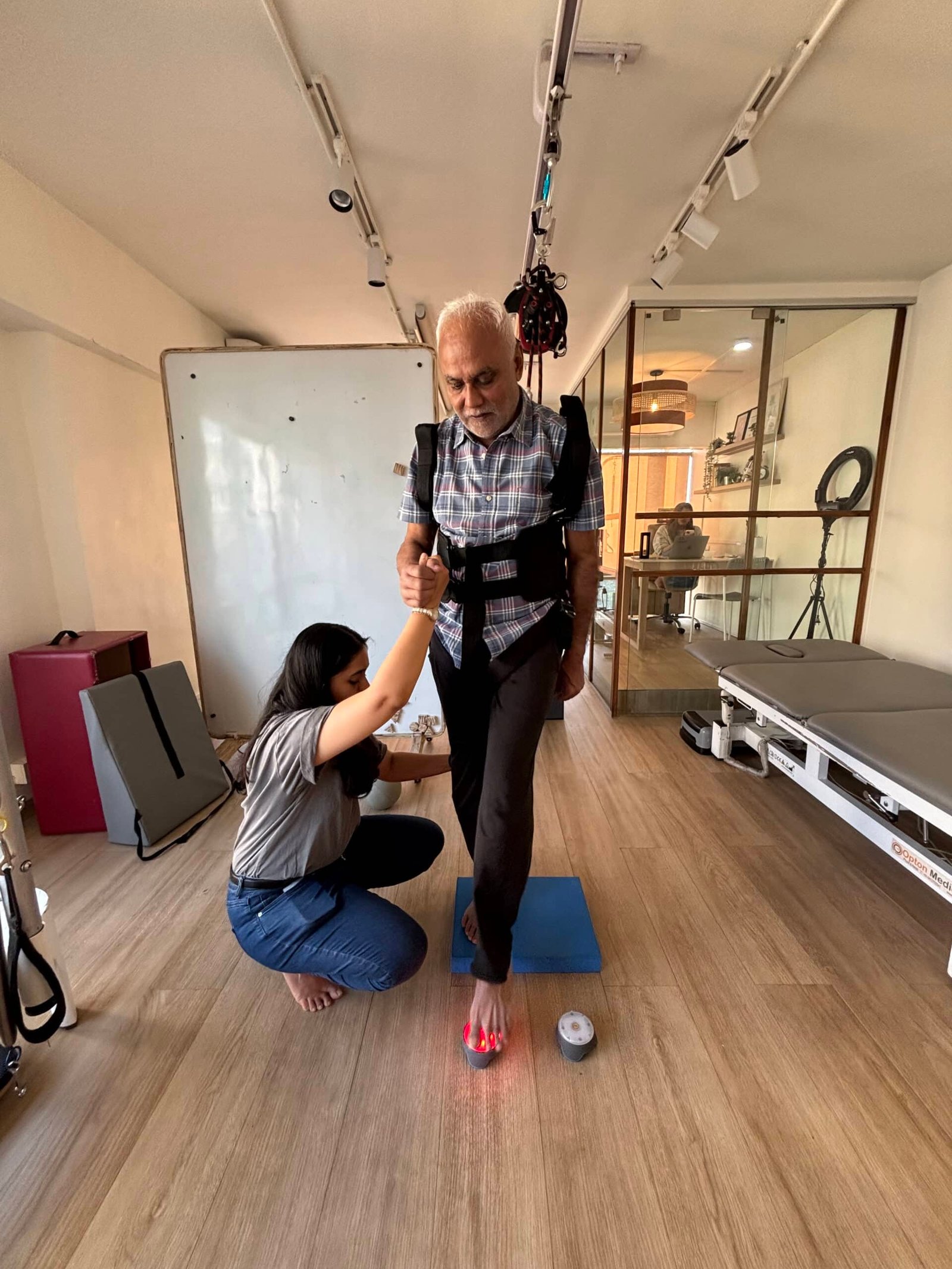
From hands on therapy to robotics and aquatherapy, we personalise your recovery journey based on where you are now and what you want to get back to.
No two people experience a stroke the same way. Some lose speech. Some lose hand control. Others feel one side of their body go weak or stiff.
At Miran, we understand that and we build your recovery plan around your real world goals.
We commonly help stroke survivors with:
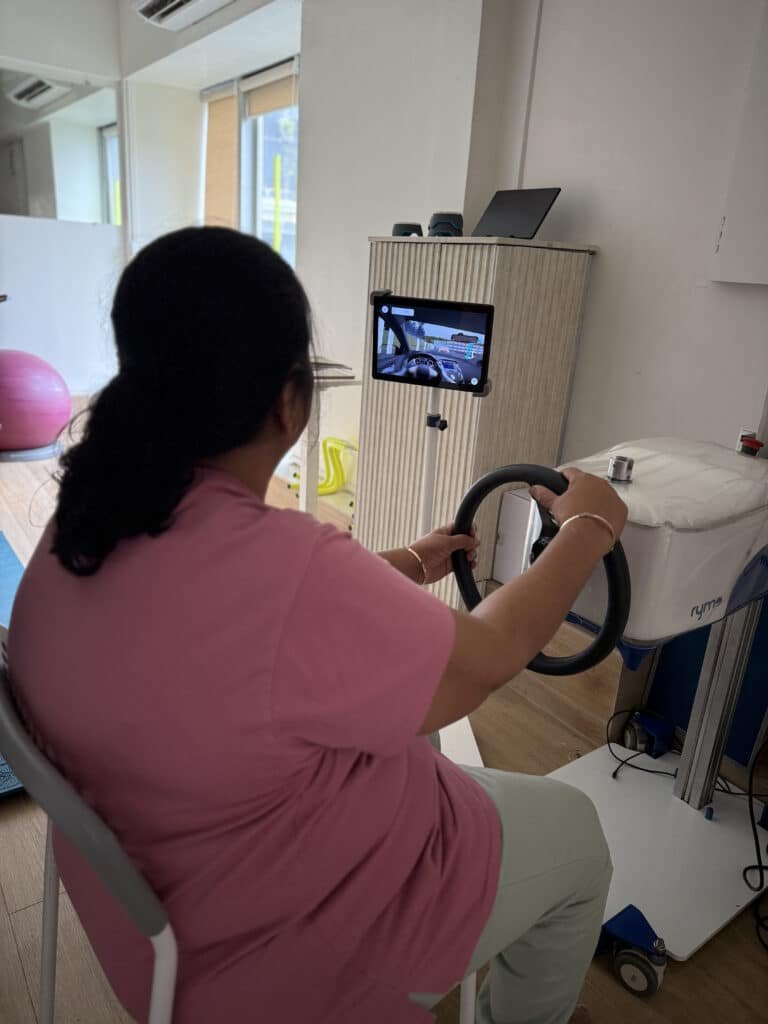
Stroke recovery isn’t one size fits all. That’s why we combine different techniques and technologies to give you the best possible results all guided by physiotherapists trained in neuro rehab.
At Miran, your stroke recovery may include:
We offer:
All sessions are supervised by certified physiotherapists with neuro rehab experience.
2. Can someone recover even if it’s been many months or years since the stroke?
Yes. Recovery may be slower, but improvement is possible at any stage especially with consistent, targeted therapy. The brain continues to adapt and rewire over time.
3. What does stroke rehab actually involve?
Stroke rehab focuses on helping the person regain movement, coordination, strength, and independence. It may include physiotherapy, occupational therapy, speech therapy, and mental health support depending on their needs.
4. Can stroke rehab help someone walk again?
In many cases, yes. Rehab helps retrain muscles, improve balance, and rebuild walking ability sometimes with aids like walkers, parallel bars, or robotics. Results depend on the stroke severity and how early rehab begins.
5. What if one side of the body isn’t working at all?
This is called hemiplegia (complete) or hemiparesis (partial weakness). Rehab focuses on gradually stimulating movement and re activating pathways through exercises, electrical stimulation, or robotic assisted movement.
6. What’s the difference between physiotherapy and occupational therapy in stroke rehab?
Physiotherapy focuses on physical movement walking, balance, limb function. Occupational therapy helps with daily tasks like dressing, feeding, or using the bathroom. Both are important parts of recovery.
7. Can someone with speech or swallowing problems improve?
Yes. A speech therapist works on speech clarity, voice, and swallowing. Progress takes time and may require home exercises and family support.
8. Will my loved one ever be “normal” again?
That depends on the stroke’s severity and type. Many people regain meaningful independence even if not everything returns to how it was. Rehab helps improve quality of life, even if full recovery isn’t possible.
9. How long does stroke rehab take?
There’s no fixed timeline. Some people improve in weeks, others continue rehab for months or longer. What matters is starting, being consistent, and focusing on meaningful goals.
10. How can family and caregivers help during stroke rehab?
Support matters. Help with exercises at home, encourage independence without rushing them, and celebrate small wins. Also, learn about stroke recovery so you can understand what they’re going through physically and emotionally.
Whether the stroke happened days ago or years back, recovery is still possible even if walking, talking, or using one side of the body feels out of reach right now. With physiotherapy, occupational support, and consistency, people often regain far more than they thought they could. It may not be fast, and it may not be full but it can still be life changing.
At Miran Neuro Physiotherapy Centre, our team of experienced physiotherapists will guide you through a detailed neuro rehab assessment. We’ll listen to your story, understand your current challenges, and help you map out what’s next whether that’s walking again, improving hand control, or regaining the confidence to move independently.
From one on one therapy to robotics, aquatherapy, or long term neuro rehab plans we’ll build the right approach for you or your loved one.